Best 1-2 Person Low-EMF Infrared Saunas for Small Spaces
As home wellness continues to move from luxury to lifestyle, the infrared sauna has become one of the most sought-after investments for health-conscious individuals. But for many people, the fantasy of a sprawling cedar sauna room quickly runs into the reality of apartment living, spare bedrooms that double as offices, or a modest budget. The good news? A 1-2 person infrared sauna may be exactly what you need — and it might fit into less space than you think.
Even better, modern engineering has addressed one of the most common concerns about electric saunas: electromagnetic field (EMF) exposure. A low EMF home sauna can deliver the deep, penetrating heat therapy you want without the unnecessary radiation concerns that older or cheaper models sometimes raise.
In this guide, we’ll explore why compact infrared saunas are ideal for small spaces, what to look for in a low-EMF model, and how to choose the right compact infrared sauna for your home.
Table of Contents
Why Infrared Saunas Are Perfect for Small Spaces
Traditional Finnish saunas require large heating elements, heavy stone, and significant clearance around the heater. They also warm the air to extremely high temperatures, which demands excellent insulation and ventilation.
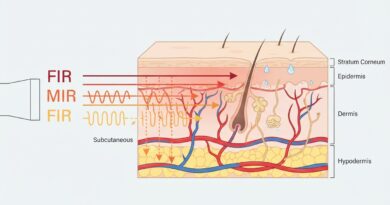
Infrared saunas work differently. Instead of heating the air, they use infrared light waves to heat your body directly. This means:
- Lower ambient temperatures — typically between 110°F and 140°F, compared to 170°F+ in traditional saunas.
- Faster heat-up times — most infrared saunas reach therapeutic temperature in 15–30 minutes.
- Less bulky heating equipment — flat carbon or ceramic panels can be mounted directly into walls.
- No need for heavy stone or water — simplifying construction and reducing weight.
All of this makes infrared technology uniquely suited to compact, modular designs. An indoor sauna for two can fit into a spare closet-sized corner, a basement, a garage, or even a large bathroom, provided you have access to a standard electrical outlet. Choosing a 1-2 person infrared sauna means you don’t have to sacrifice square footage for a meaningful wellness routine.
For a deeper look at how infrared wavelengths affect recovery, see our guide on how far-infrared and full-spectrum heat upgrade your body’s recovery.
Understanding Low-EMF Technology in Infrared Saunas
Electromagnetic fields are a natural byproduct of any electrical device. The question is not whether EMF exists, but at what level and proximity.
Cheaply manufactured infrared saunas sometimes route heating panel wiring in ways that generate measurable EMF levels directly where you sit. Over time, some users have reported headaches, sleep disruption, or general unease after repeated sessions in high-EMF environments.
A low EMF home sauna minimizes this exposure through several design choices:
- Shielded heating panels — carbon or ceramic panels wrapped in materials that block stray EMF.
- Twisted or braided internal wiring — this cancels out magnetic fields that would otherwise radiate into the seating area.
- Strategic panel placement — placing panels on the back and sides rather than directly under the bench reduces exposure to the core of the body.
- Third-party testing — reputable manufacturers publish EMF readings taken at the seating surface, often showing levels below 3 milligauss (mG), and sometimes under 1 mG.
When shopping, look for models that explicitly state their EMF levels and, ideally, provide independent test data. A vague “low EMF” claim without numbers is not enough. The World Health Organization’s guidance on electromagnetic fields offers useful context on what typical exposure levels mean in everyday life.
Key Benefits of a Compact 1-2 Person Infrared Sauna
1. Fits Where Traditional Saunas Cannot
The most obvious benefit of a small space sauna is physical size. Many two-person models measure around 47–55 inches wide, 39–43 inches deep, and 72–77 inches tall. That footprint is comparable to a large armchair or small loveseat. One-person models can be even narrower.
If you have a corner in a bedroom, a section of a finished basement, or even a walk-in closet you rarely use, a 1-2 person infrared sauna can turn that dead space into a daily wellness retreat. You won’t need to remodel a bathroom or sacrifice a guest room to enjoy consistent heat therapy.
2. Lower Upfront and Operating Costs
Smaller saunas use fewer heating panels and less energy. Most 1-2 person models plug into a standard 120-volt, 15-amp household outlet — no special 240-volt wiring or expensive electrical work required.
Operating costs are typically between $0.10 and $0.25 per 30-minute session, depending on local electricity rates. Compare that to gym memberships, spa visits, or installing a custom-built sauna room, and the compact infrared option becomes highly economical. A quality 1-2 person infrared sauna often pays for itself within a year of regular use compared to boutique spa sessions.
3. Faster Heating, Less Energy Waste
Because there is less interior volume to heat, compact saunas reach target temperatures quickly. Many units hit 120°F within 15 minutes. You spend less time waiting and less money warming empty space.
4. Easier Assembly and Portability
Most 1-2 person infrared saunas ship as modular kits that two adults can assemble in an afternoon. They typically use cam-lock or screw-together panels, and no permanent modifications to your home are required. If you move, you can disassemble and take your sauna with you — something impossible with a built-in traditional sauna.
5. Accessible Daily Wellness
The health benefits of regular infrared sauna use are well-documented, including improved circulation, muscle relaxation, temporary relief from joint stiffness, and a calming effect on the nervous system. A compact home unit removes all friction from the habit. No driving, no booking time slots, no shared spaces.
If you are weighing a compact cabin against other formats, our comparison of infrared sauna blankets vs. cabins can help you decide which setup fits your recovery goals.
What to Look for in a Low-EMF Compact Sauna
Heating Panel Type
- Carbon fiber panels — Generate far-infrared wavelengths, distribute heat evenly, and are commonly used in low-EMF designs. They are lightweight and can cover large surface areas.
- Ceramic panels — Emit intense directed heat and warm up quickly, but may produce more uneven heat distribution. Quality ceramic systems can still be low-EMF if properly shielded.
Most premium compact infrared sauna models for home use now favor carbon fiber because of its even heat and compatibility with low-EMF wiring.
Wood Quality and Construction
Hemlock and Canadian hemlock are the most common woods for indoor infrared saunas. They are lightweight, resistant to warping, and relatively low in aromatic oils compared to cedar — which matters for people sensitive to strong scents. Solid wood construction without plywood or particleboard ensures no off-gassing of adhesives at high temperatures.
EMF Verification
Ask for specific numbers. A legitimate low EMF home sauna manufacturer will state EMF readings at the seating position. Look for levels below 3 mG, and preferably under 1 mG. Some brands use third-party labs to verify their claims.
Interior Ergonomics
In a 1-2 person sauna, you want a comfortable bench that allows you to sit upright with your back against the rear heating panel. Some models include a small foot heater panel, which is excellent for keeping lower extremities warm without crowding the floor space.
Control Simplicity
A small digital control panel inside and/or outside the sauna should let you set temperature and session duration easily. Some newer models include Bluetooth speakers and chromotherapy lighting, but these are optional and should not distract from core performance.
Realistic Expectations for a Two-Person Sauna
Let’s be honest: most 1-2 person infrared saunas are extremely comfortable for one person and quite cozy for two.
A typical two-person model has an interior bench width of around 42–48 inches. Two average-sized adults can sit side by side, but shoulder contact is likely. If you and your partner value personal space, or if one of you is taller or broader than average, consider a larger “corner” two-person model or accept that you’ll mostly use the sauna solo.
For a single user, the benefits of a two-person unit are clear: more room to stretch legs, the ability to place a small towel or water bottle beside you, and the option to occasionally share the experience. The extra few inches in width make a meaningful daily difference.
If you are still deciding between sizes, our guide to 3-4 person home saunas explains when it makes sense to size up for family use.
Top Compact Models to Consider
While specific availability changes, several brands consistently perform well in the small space sauna category. When comparing, focus on the factors above rather than brand loyalty alone.
Example: Dynamic “Low EMF” 1-2 Person Hemlock Sauna
A representative example of this category includes:
- Fits 2 people snugly or 1 person comfortably
- 6 carbon fiber heating panels (back, calf, side, and floor)
- EMF measured below 3 mG at seating surface
- Exterior dimensions approximately 50″ W x 40″ D x 75″ H
- Plugs into a standard 120V outlet
- Weight around 250–300 lbs, manageable for two people to assemble
At this size, the unit can sit against an interior wall in a bedroom or home office without overwhelming the room. A 30-minute session at 130°F produces a deep, satisfying sweat without the claustrophobic feeling of a one-person capsule. For many buyers, this style of 1-2 person infrared sauna hits the sweet spot between footprint and comfort.
What to Avoid
- Unverified EMF claims — If a brand cannot produce numbers, assume they are hiding something.
- Plywood or MDF panels — These can off-gas at high temperatures.
- Extremely cheap pricing — If a two-person sauna costs less than $1,000 new, the heating panels and wiring are likely low quality.
- No interior light or vent — A small interior can feel oppressive without a reading light or adjustable vent.
Setting Up Your Small Space Sauna
Location Considerations
- Indoor only, unless specifically rated for outdoor use
- Ambient room temperature between 50°F and 100°F
- Dry, level surface — concrete, tile, hardwood, or low-pile carpet
- Access to a grounded 120V outlet within 6 feet
- Ceiling clearance of at least 7 feet
Ventilation
Even though infrared saunas don’t produce steam, you will sweat. A small adjustable vent near the ceiling helps release warm, humid air. If your sauna is in a closet or enclosed corner, consider adding a small exhaust fan to the room itself.
Electrical Safety
Never use an extension cord unless it is rated for at least 15 amps and is as short as possible. Better yet, plug the sauna directly into a dedicated circuit. If your home has older wiring, consult an electrician before regular use.
Integrating Sauna Sessions into a Compact Lifestyle
A small sauna works best when treated as a habit rather than an event. Whether you own a 1-2 person infrared sauna or are still comparing options, consistency matters more than session length.
- Morning sessions — 20–30 minutes at 115–125°F can help you feel loose and alert without over-stressing the body.
- Evening sessions — 25–40 minutes at 120–135°F before bed can promote relaxation and improved sleep quality.
- Post-workout — 15–20 minutes aids in muscle recovery and temporary relief from stiffness.
- Hydration — Drink water before and after every session. Keep a bottle within arm’s reach inside the sauna.
Because compact saunas heat up quickly, you can realistically fit a session into a lunch break or between meetings when working from home.
Pairing heat with cold exposure is another powerful recovery strategy. Our article on combining infrared saunas and cold plunges shows how the two practices work together.
Frequently Asked Questions
How much space do I need for a 1-2 person infrared sauna?
Most two-person models need a footprint of roughly 50 inches wide by 40 inches deep, plus a few inches of clearance on each side for assembly and ventilation. Ceiling height should be at least 7 feet. A corner of a bedroom, finished basement, or home office usually works well.
Is a low EMF infrared sauna safe for daily use?
Yes. When a sauna is designed with shielded panels and twisted internal wiring, EMF levels at the seating surface typically fall below 3 mG, and often under 1 mG. That is well within the range most health authorities consider unremarkable for everyday household appliances.
Can two adults actually fit comfortably in a two-person infrared sauna?
Two average-sized adults can sit side by side, but it will be cozy. If you plan to share regularly, look for a model with a bench width of at least 44–48 inches, or consider a corner-style two-person design that offers more shoulder room.
Do I need a special electrical outlet for a compact infrared sauna?
Most 1-2 person models plug into a standard 120-volt, 15-amp grounded outlet. Avoid extension cords when possible, and make sure the circuit is not shared with other high-draw appliances.
How long does it take a small infrared sauna to heat up?
Because the interior volume is small, most compact infrared saunas reach 120°F within 15–20 minutes. That makes it practical to fit a full session into a lunch break or a quiet evening window.
Conclusion
A 1-2 person infrared sauna is no longer a compromise. In many ways, it’s the smartest choice for modern home wellness. It fits into spaces where traditional saunas simply cannot go, costs less to buy and operate, and — with proper low-EMF design — provides all the deep heat benefits without unnecessary electromagnetic exposure.
When shopping for your small space sauna, prioritize verified low-EMF ratings, solid wood construction, and carbon fiber heating panels. Measure your available space carefully, ensure access to a standard grounded outlet, and be realistic about how often you’ll actually share the bench.
Investing in a compact infrared sauna means bringing the spa home in a form that respects both your square footage and your long-term health. Start small, choose wisely, and let the heat do the rest. For more top-rated options across all sizes, browse our roundup of the best home saunas for 2026.