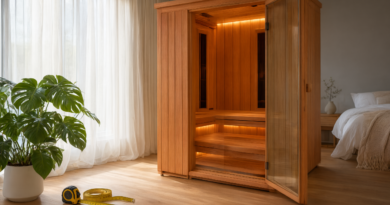

Sauna Maintenance Routine: A Step-by-Step Guide for Your 1-Person Infrared Sauna
Owning a 1-person infrared sauna is a wonderful investment in your daily wellness. But like any fine piece of furniture, it needs consistent care to stay beautiful, safe, and effective for years. A simple maintenance routine—done right—protects the wood, keeps the glass sparkling, and ensures the heaters perform at their best. This guide walks you through every step, tailored specifically for compact pre-built infrared saunas like the YardSauna Forest 1-Person Infrared Sauna.
We’ll cover daily habits, weekly cleaning, monthly inspections, and seasonal deep care. You’ll learn how to condition the Canadian Hemlock interior, care for the tempered glass door, and inspect the quartz and carbon heating elements. By the end, you’ll have a clear, practical routine that takes only minutes a week but adds years to your sauna’s life.
Why a Regular Maintenance Routine Matters
Infrared saunas operate differently from traditional steam saunas. Instead of high humidity and water on the rocks, they use dry heat and infrared light. That means less moisture-related mold risk, but it also means dust, body oils, and sweat can accumulate on surfaces over time. A regular routine prevents buildup, keeps the wood from drying out or cracking, and ensures the heating elements remain unobstructed.
Think of your sauna like a high-quality piece of wooden furniture that also happens to have electronics inside. The wood needs occasional conditioning to maintain its natural beauty and resistance to heat. The electronics—heaters, controllers, and wiring—need to stay clean and free of debris. And the glass door needs regular wiping to keep the view clear and the seal intact.
For a 1-person sauna, the interior space is small, so even minor issues can feel more noticeable. A little care goes a long way. Plus, a well-maintained sauna is more pleasant to sit in—no musty smells, no sticky benches, no flickering lights. It’s a small time investment for a big comfort payoff.
Daily and After-Each-Use Care
The easiest way to keep your sauna clean is to do a few simple things every time you use it. These habits take less than a minute and prevent most long-term problems.
Wipe Down Sweat and Moisture
After your session, use a clean, dry microfiber cloth to wipe down the bench, backrest, and any other surfaces you touched. If you sweat heavily, you may want to use a slightly damp cloth with plain water—no soap—to remove salt and oils. Then dry the area with a dry cloth. Avoid leaving any standing water, as even dry saunas can develop mildew in crevices if moisture sits too long.
Air Out the Cabin
Leave the sauna door open for 15–30 minutes after each use to let residual heat and moisture escape. This simple step dramatically reduces the chance of musty odors and keeps the wood from absorbing too much humidity. If your sauna is in a basement or other enclosed space, consider running a small fan nearby to improve air circulation.
Use a Towel on the Bench
Always sit on a clean towel during your session. This absorbs most of your sweat before it reaches the wood. It’s the single most effective way to keep the bench looking new. Wash the towel regularly, and you’ll rarely need to deep-clean the bench itself.
Weekly Cleaning Routine
Once a week—or more often if you use the sauna daily—give the interior a more thorough cleaning. This keeps dust and grime from building up in corners and on the heater panels.
Vacuum the Interior
Use a soft brush attachment on your vacuum to remove dust, hair, and debris from the floor, bench, and lower wall areas. Pay special attention to the gaps between slats and around the heater panels. A handheld vacuum works well for the tight spaces in a 1-person sauna.
Wipe Down All Surfaces
Mix a mild solution of warm water and a tiny amount of gentle, non-toxic soap (like castile soap) or just use plain water. Dampen a soft cloth, wring it out thoroughly, and wipe down the interior wood surfaces, the heater guards, and the control panel. Avoid getting water into any electrical components. Follow with a dry cloth to remove any remaining moisture.
Clean the Glass Door
The tempered glass door on your sauna can accumulate fingerprints, sweat splashes, and dust. Use a standard glass cleaner or a mixture of vinegar and water. Spray the cleaner onto a cloth—not directly onto the glass—to avoid drips onto the wood. Wipe in a circular motion, then buff dry with a clean, lint-free cloth for a streak-free finish.
Check the Ventilation
Most 1-person infrared saunas have adjustable vents. Make sure they are open and unobstructed. Dust can accumulate on the vent covers, so wipe them down with a damp cloth. Proper ventilation is essential for even heating and air quality.
Monthly Inspection and Maintenance
Once a month, take a closer look at the sauna’s components. This is your chance to catch small issues before they become big problems.
Inspect the Heating Elements
Your sauna likely has a combination of quartz heaters and carbon panels. Visually inspect them for any signs of damage, such as cracks, discoloration, or loose connections. Make sure the protective guards are securely in place and not bent. If you notice any unusual smells or sounds during operation, unplug the sauna and contact the manufacturer.
Check the Power Cord and Plug
Examine the power cord for any fraying or damage. Ensure the plug fits snugly into the outlet and is not warm to the touch after use. If the cord or plug shows any wear, stop using the sauna until it can be professionally repaired.
Test the Control Panel and Lights
Turn on the sauna and cycle through the control panel settings to make sure everything responds correctly. Check that the interior LED lights work and that the Bluetooth speakers, if present, connect properly. If any function is not working, refer to the user manual for troubleshooting steps.
Condition the Wood (Every 2–3 Months)
Wood conditioning is essential for preventing the Canadian Hemlock from drying out and cracking over time. Use a sauna-specific wood oil or a food-grade mineral oil. Apply a thin coat to the interior wood surfaces with a soft cloth, following the grain. Let it soak in for a few hours, then wipe off any excess. Do not use varnish, polyurethane, or any product that could emit harmful fumes when heated. For the , the natural Hemlock interior benefits from this treatment every few months to maintain its warm, clean look.
Seasonal Deep Cleaning and Care
Twice a year—perhaps in spring and fall—give your sauna a more intensive cleaning. This is also a good time to inspect the exterior and check for any environmental issues.
Deep Clean the Interior Wood
For stubborn stains or sweat marks, mix a paste of baking soda and water. Apply it gently with a soft cloth or sponge, rub in a circular motion, then wipe away with a damp cloth. For very light sanding of rough spots, use fine-grit sandpaper (220 grit or higher) and always sand along the grain. After sanding, vacuum the dust and reapply wood oil.
Clean the Exterior
The exterior of your sauna may only need dusting if it’s indoors. If it’s in a garage or covered porch, wipe it down with a damp cloth. Avoid using harsh chemicals that could damage the finish. If the exterior wood looks dry, you can apply a sauna-safe exterior oil or stain that is rated for high temperatures and low VOCs.
Inspect the Door Seal and Hinges
The door seal keeps heat in and cold air out. Check the seal for cracks or gaps. If it’s damaged, replace it. Lubricate the hinges with a tiny amount of silicone spray if they squeak. Make sure the door closes fully and latches properly.
Check the Floor and Foot Heater
If your sauna has a tourmaline-enriched floor foot heater, inspect it for any signs of wear. Vacuum any dust from the floor area. The foot heater should be free of debris to work efficiently. Wipe it down with a dry cloth—never use water on electrical components.
How It Works: The Science Behind Sauna Maintenance
Understanding why these maintenance steps matter helps you prioritize them. Infrared saunas heat your body directly using infrared radiation, which penetrates the skin and warms you from within. The heating elements—quartz tubes and carbon panels—emit this radiation. Over time, dust and oils can coat these elements, reducing their efficiency and potentially causing hot spots or premature failure.
The wood in your sauna, typically Canadian Hemlock, is chosen for its ability to withstand heat and resist warping. However, wood is a natural material that expands and contracts with temperature changes. Regular conditioning with oil keeps the wood fibers supple and prevents cracking. It also creates a barrier against sweat and oils, making cleaning easier.
The glass door is tempered for safety, but it can still get cloudy from mineral deposits in sweat or cleaning products. Regular cleaning prevents buildup that could etch the glass permanently. The door seal is crucial for maintaining the sauna’s internal temperature; a worn seal lets heat escape, making the sauna work harder and use more energy.
Ventilation is often overlooked but vital. Proper airflow prevents moisture buildup, which can lead to mold and mildew, and it also ensures a fresh supply of oxygen. A blocked vent can cause the sauna to overheat or create a stuffy, uncomfortable environment.
Finally, the control panel and wiring are the brains of the sauna. Dust and moisture are their enemies. Keeping them clean and dry prevents short circuits and extends their lifespan. A monthly visual inspection can catch loose connections before they become a fire hazard.
Common Mistakes to Avoid
Even well-intentioned sauna owners can make mistakes that shorten the life of their unit. Here are the most common pitfalls and how to avoid them.
Using Harsh Chemicals Inside the Sauna
Never use bleach, ammonia, or strong detergents on the interior wood. These chemicals can break down the wood fibers and release toxic fumes when heated. Stick to mild soap, vinegar, or specialized sauna cleaners.
Skipping the Towel
It might seem like a hassle, but sitting directly on the wood bench without a towel is the fastest way to stain and degrade the wood. Body oils and sweat penetrate the wood, leaving dark marks that are hard to remove.
Applying Varnish or Polyurethane
These finishes are not designed for high heat. They can emit harmful VOCs and may peel or blister. Only use products specifically labeled safe for saunas.
Neglecting the Heater Guards
The guards protect you from accidental burns and protect the heating elements from damage. If a guard is bent or broken, it can expose the elements or create a fire risk. Replace damaged guards immediately.
Leaving the Door Closed After Use
Always air out the sauna after each session. Trapping heat and moisture inside creates a perfect environment for mold and mildew. Open the door for at least 15 minutes.
Using Too Much Water When Cleaning
Excess water can seep into the wood and cause warping or swelling. Always wring out your cloth thoroughly and dry surfaces immediately. Never spray water directly onto the wood or electrical components.
Practical Tips and a Maintenance Checklist
Here’s a quick-reference checklist to keep your sauna in top shape. Print it out or save it on your phone.
- After each use: wipe down surfaces, air out the cabin, use a towel on the bench.
- Weekly: vacuum the interior, wipe down all surfaces, clean the glass door, check vents.
- Monthly: inspect heating elements, check power cord, test controls and lights, condition wood (every 2–3 months).
- Seasonally: deep clean interior wood, clean exterior, inspect door seal and hinges, check floor and foot heater.
- Always: use sauna-safe products, avoid harsh chemicals, keep electrical components dry.
For a step-by-step process of conditioning the wood, follow this simple routine:
- Ensure the sauna is completely cool and unplugged.
- Vacuum the interior to remove any dust or debris.
- Apply a small amount of sauna wood oil to a soft, lint-free cloth.
- Rub the oil into the wood in the direction of the grain, covering all interior surfaces except the heater elements and glass.
- Let the oil soak in for 2–4 hours.
- Wipe off any excess oil with a clean, dry cloth.
- Leave the door open to allow any residual odor to dissipate before using the sauna again.
Consistency is key. A five-minute wipe-down after each use prevents hours of deep cleaning later. Treat your sauna like a fine piece of furniture, and it will reward you with years of relaxing, effective sessions.
Buyer Considerations: What to Look for in a Low-Maintenance Sauna
If you’re still shopping for a 1-person infrared sauna, consider how the design affects maintenance. Some features make upkeep much easier.
Look for a sauna made from high-quality, non-toxic wood like Canadian Hemlock. Hemlock is naturally resistant to warping and has a low resin content, which means it’s less likely to bleed sap when heated. It also takes oil well, making conditioning simple.
Check the heating technology. Full-spectrum heaters, like those in the YardSauna Forest 1-Person Infrared Sauna, combine quartz and carbon elements. These are generally low-maintenance, but make sure the guards are sturdy and easy to remove for cleaning. Ultra-low EMF carbon panels are also a plus for peace of mind.
Consider the door and seal quality. A well-sealed door keeps heat in and reduces energy costs. Tempered glass is easy to clean and gives the sauna an open feel. Look for a door that closes firmly without needing adjustment.
Ventilation is another key factor. A sauna with multi-speed ventilation allows you to control airflow, which helps prevent moisture buildup. This is especially important in small, enclosed spaces.
Finally, think about the footprint. A compact 3×3 ft sauna fits in a bedroom or home gym, but make sure you can easily access all sides for cleaning and maintenance. The YardSauna Forest, for example, is designed for easy assembly with tongue-and-groove panels, which also makes it easier to disassemble if you ever need to move it.
A Closer Look at the YardSauna Forest 1-Person Infrared Sauna
When it comes to low-maintenance design, the YardSauna Forest 1-Person Infrared Sauna checks many boxes. Its interior is crafted from natural Canadian Hemlock, a wood known for its durability and resistance to heat. The smooth, knot-free surface is easy to wipe down and responds well to oil conditioning.
The heating system features rapid-heating quartz elements and ultra-low EMF carbon panels. These are enclosed behind protective guards that can be wiped clean with a dry cloth. The tourmaline-enriched floor foot heater adds even warmth, and because it’s built into the floor, it’s less prone to dust accumulation than wall-mounted heaters.
The tempered glass front door is simple to clean with any standard glass cleaner. The digital touch controller and LED lighting are sealed units that require only occasional dusting. And the multi-speed ventilation system helps keep the interior fresh between sessions.
Assembly is straightforward with tongue-and-groove panels, and the compact 36×36 inch footprint means it fits in tight spaces. But remember, even the best-designed sauna needs regular care. The routine outlined in this guide will keep your YardSauna Forest—or any quality infrared sauna—looking and performing like new for years.
On-Camera Walkthrough: Maintaining a Compact Infrared Sauna
In this video, Matt Justice from Certified Saunas takes a detailed look at a popular budget infrared sauna from Costco, sharing his hands-on experience after testing over 40 different models. He breaks down his findings into five key takeaways, covering build quality, assembly challenges, EMF performance, heat coverage, and overall value.
Matt notes that while the build quality is decent with good wood and a solid door seal, there are some issues like misaligned trim and broken heater guards from shipping. He also discusses the floating floor design, which makes assembly more frustrating than necessary, and points out that the EMF performance is mixed—magnetic fields are low, but electric fields are still high. He emphasizes that in this price range, no sauna is truly low EMF.
The video provides a realistic perspective on what to expect from budget saunas and highlights the importance of proper maintenance to address common issues like heat distribution and component durability. While the specific model reviewed is not the YardSauna Forest, the maintenance principles apply to any compact infrared sauna.
Final Thoughts: Keep Your Sauna Pristine with a Simple Routine
A consistent maintenance routine is the secret to getting the most out of your 1-person infrared sauna. By following the daily, weekly, monthly, and seasonal steps outlined here, you’ll protect your investment, ensure safe operation, and enjoy a clean, inviting space for every session. The YardSauna Forest 1-Person Infrared Sauna, with its non-toxic Canadian Hemlock interior, full-spectrum heating, and thoughtful design, is built to make this routine as easy as possible. Its compact size and quality materials mean less surface area to clean and fewer components to worry about.
Remember, the information in this article is for informational purposes only. Always refer to your sauna’s user manual for specific care instructions, and consult a professional for any electrical or structural repairs. With a little regular attention, your sauna will provide years of soothing infrared warmth and relaxation.
Frequently Asked Questions
1. How often should I clean my 1-person infrared sauna?
You should wipe down surfaces and air out the sauna after every use. A more thorough cleaning with vacuuming and wiping all surfaces should be done weekly. Deep cleaning and wood conditioning can be done every 2–3 months or as needed.
2. What is the best way to clean the wood interior of an infrared sauna?
Use a soft cloth dampened with plain water or a very mild soap solution. Wring the cloth well to avoid excess moisture. For stubborn stains, a paste of baking soda and water works well. Always dry the wood thoroughly after cleaning.
3. Can I use regular furniture polish or oil on my sauna wood?
No. Regular furniture polish often contains chemicals that can emit harmful fumes when heated. Use only sauna-specific wood oils or food-grade mineral oil. These are designed to withstand high temperatures and are safe for use in a sauna.
4. How do I clean the glass door without leaving streaks?
Spray a glass cleaner or a vinegar-water solution onto a microfiber cloth, not directly onto the glass. Wipe in a circular motion, then buff dry with a clean, dry cloth. This prevents drips onto the wood and leaves a streak-free finish.
5. Do I need to condition the wood in my infrared sauna? How often?
Yes, conditioning the wood helps prevent it from drying out and cracking. Apply a thin coat of sauna wood oil every 2–3 months, or more often if the wood looks dry. Always let the oil soak in and wipe off any excess before using the sauna.
6. What should I do if I see mold or mildew in my sauna?
First, identify and fix the moisture source—usually inadequate ventilation or leaving the door closed after use. Clean the affected area with a mixture of water and baking soda or a mild vinegar solution. Avoid bleach, as it can damage the wood and release toxic fumes. Ensure the sauna is thoroughly dried after cleaning.
7. How do I inspect the heating elements in my infrared sauna?
Unplug the sauna and visually inspect the quartz tubes and carbon panels for cracks, discoloration, or loose connections. Make sure the protective guards are secure. If you notice any damage or unusual smells during operation, stop using the sauna and contact the manufacturer.
8. Can I use a vacuum cleaner inside my sauna?
Yes, a vacuum with a soft brush attachment is ideal for removing dust and debris from the floor, bench, and corners. Be gentle around the heating elements and electrical components to avoid damage.
9. How do I maintain the foot heater in my sauna?
Keep the foot heater area free of dust and debris by vacuuming regularly. Wipe the surface with a dry cloth—never use water on electrical components. If your foot heater is tourmaline-enriched, it requires no special treatment beyond keeping it clean.
10. Is it normal for my sauna to have a slight wood smell?
Yes, a mild wood scent is normal, especially in a new sauna. This should dissipate over time. If the smell becomes strong or chemical-like, it could indicate off-gassing from improper finishes. Ensure your sauna is made from non-toxic wood and avoid using any unapproved products inside.
11. What is the best way to store my sauna if I won’t use it for a while?
If you plan to store your sauna for an extended period, clean it thoroughly, condition the wood, and leave the door slightly ajar to allow air circulation. Cover it with a breathable cloth to keep dust off. Store in a dry, temperature-controlled environment if possible.
12. Can I use a steam cleaner to clean my infrared sauna?
No, steam cleaners introduce excess moisture that can damage the wood and electrical components. Stick to damp cloths and mild cleaning solutions. The dry heat of an infrared sauna means you rarely need to deep clean with steam.
For more on low-EMF home infrared saunas and the models we offer, visit yardsauna.com.
This article is for informational purposes only and does not constitute medical advice. Always consult a qualified healthcare provider before starting any new wellness routine, especially if you have pre-existing conditions or are pregnant.