How Infrared Sauna Heat Supports Immune Health: The YardSauna Forest 2-Person
Your immune system works quietly every day, but sometimes it needs a little nudge. Regular infrared sauna use offers a gentle, non-pharmaceutical way to support your body’s natural defenses. By raising core temperature and triggering a mild fever-like response, infrared heat may stimulate white blood cell production and improve immune surveillance. The YardSauna Forest 2-Person Infrared Sauna brings this full-spectrum warmth into your home with a design that prioritizes both comfort and low-EMF safety.
Understanding the Immune System and Heat
Your immune system is a complex network of cells, tissues, and organs that defends against pathogens. White blood cells, also called leukocytes, are the frontline soldiers. They circulate in your blood and lymphatic system, ready to attack invaders. When you get an infection, your body often responds with a fever. That rise in core temperature is not an accident; it’s a deliberate strategy. Many pathogens reproduce less efficiently at higher temperatures, while your immune cells become more active and mobile.
Infrared saunas replicate a milder version of this fever response. Instead of heating the air around you, infrared panels emit radiant heat that penetrates your skin and warms your body directly. This allows your core temperature to rise a few degrees without the oppressive, stifling heat of a traditional steam sauna. Research suggests that even a modest increase in core temperature can trigger the same immune pathways that a natural fever activates.
One key mechanism is the production of heat shock proteins (HSPs). These proteins are produced by cells under thermal stress, and they help repair damaged proteins and protect cells from further stress. HSPs also play a role in immune regulation, helping to activate antigen-presenting cells and improve the body’s ability to recognize and respond to threats.
How Infrared Heat Stimulates White Blood Cells
When your body is exposed to infrared heat, several things happen in sequence. First, the heat penetrates the skin and underlying tissues, raising the temperature of the blood as it circulates near the surface. This heated blood then travels throughout the body, gradually raising your core temperature. Your hypothalamus, the body’s thermostat, detects this rise and initiates a cooling response: you begin to sweat, and your heart rate increases to pump more blood to the skin.
At the same time, the thermal stress triggers the release of heat shock proteins and other signaling molecules. These signals alert the immune system that conditions have changed. The bone marrow, where white blood cells are produced, may ramp up production. Some studies have shown that regular sauna use leads to a measurable increase in circulating white blood cells, particularly lymphocytes and neutrophils, which are critical for fighting infections.
Additionally, the increased blood flow during a sauna session helps immune cells travel more efficiently. White blood cells normally spend much of their time attached to the walls of blood vessels, waiting for a signal to enter tissues. The vasodilation caused by heat makes it easier for these cells to detach and migrate to areas where they are needed. This improved circulation is one reason why sauna users often report fewer colds and faster recovery from minor illnesses.
The Role of Full-Spectrum Infrared
Not all infrared is the same. Full-spectrum infrared saunas, like the YardSauna Forest, combine near-infrared (NIR), mid-infrared (MIR), and far-infrared (FIR) wavelengths. Each wavelength penetrates to a different depth, providing a more comprehensive heating effect. NIR penetrates deepest, reaching muscles and even bone, while FIR heats the surface layers and is most effective at raising skin temperature and inducing sweat. MIR falls in between.
This layered heating may be more effective at raising core temperature than FIR alone, because it warms tissues at multiple depths simultaneously. The YardSauna Forest uses high-output quartz full-spectrum heaters combined with ultra-low EMF carbon panels, delivering deep-penetrating warmth across the entire body. The dual-coverage red light and NIR therapy array adds another dimension, as red and near-infrared light have been studied for their potential to support cellular energy production and reduce inflammation, both of which can indirectly benefit immune function.
Heat Shock Proteins and Immune Activation
Heat shock proteins are fascinating molecules. They were first discovered in fruit flies exposed to high temperatures, but they exist in all living organisms. Their primary job is to act as chaperones, helping other proteins fold correctly and preventing them from clumping together under stress. When cells are heated, the production of HSPs increases dramatically.
In the immune system, HSPs have a dual role. Inside cells, they protect against damage and promote survival. Outside cells, they can act as danger signals, alerting the immune system to potential threats. Some HSPs bind to receptors on immune cells, triggering the release of cytokines that activate the innate immune response. This is one way that heat stress can ‘prime’ the immune system, making it more responsive to actual infections.
Regular sauna use may lead to a more robust HSP response over time, a phenomenon known as hormesis. By exposing your body to mild, controlled stress on a regular basis, you train your cells to handle stress more effectively. This is similar to how exercise builds muscle: the stress of the workout causes micro-tears, and the body repairs them stronger than before. In the same way, regular heat stress may make your immune system more resilient.
The Science Behind Sauna and Immunity
Several studies have examined the relationship between sauna bathing and immune function. A notable study from Finland, where sauna use is deeply ingrained in the culture, followed a large cohort of men over many years. The researchers found that those who used a sauna four to seven times per week had a significantly lower risk of respiratory infections compared to those who used a sauna once a week or less. While this study was observational and cannot prove causation, the association is strong.
Other research has looked at the immediate effects of a single sauna session on white blood cell counts. In one study, participants who sat in a sauna for 15 minutes showed an increase in white blood cells, lymphocytes, and neutrophils immediately afterward. The effect was transient, but with regular use, the baseline levels may trend upward. This suggests that consistency is key; a single session might give a temporary boost, but regular sessions may lead to lasting improvements.
It’s important to note that the research is still evolving. Most studies are small or observational, and the exact mechanisms are not fully understood. However, the body of evidence is growing, and many health experts now recommend sauna use as a complementary practice for overall wellness. The key is to use the sauna consistently and not to rely on it as a sole preventive measure.
What the Research Shows
A 2018 review published in the journal Mayo Clinic Proceedings summarized the cardiovascular and overall health benefits of sauna bathing, noting that the heat stress response shares many pathways with moderate exercise. The review highlighted that sauna use can increase heart rate, improve endothelial function, and reduce markers of inflammation. These effects are not directly immune-related, but they create a healthier internal environment that supports immune function.
Another study focused specifically on white blood cells and found that regular sauna bathing was associated with a lower incidence of common colds. The researchers hypothesized that the heat-induced increase in white blood cells, combined with the flushing of toxins through sweat, contributed to this protective effect. While more rigorous randomized controlled trials are needed, the anecdotal and preliminary evidence is encouraging.
For those interested in the specifics, the Finnish sauna tradition provides a natural experiment. Finns have used saunas for centuries, and their rates of many chronic diseases are lower than in other Western countries. While genetics and diet play a role, the widespread sauna use is often cited as a contributing factor to their overall health and longevity.
Why the YardSauna Forest 2-Person Infrared Sauna Stands Out
When choosing an infrared sauna for immune support, the quality of the heating elements matters. The YardSauna Forest 2-Person Infrared Sauna is designed with high-output full-spectrum heating, combining rapid-heating quartz elements with expanded ultra-low EMF carbon panels. This dual heating system ensures that you get deep, even warmth across your entire body, which is essential for raising core temperature effectively.
One concern many people have with infrared saunas is EMF exposure. The YardSauna Forest addresses this with ultra-low EMF carbon panels, which are designed to minimize electromagnetic field emissions. The sauna is also built from 100% non-toxic Canadian Hemlock, a wood that is naturally resistant to moisture and does not off-gas harmful chemicals. This is important because you will be spending time in a small, enclosed space, and you want the air you breathe to be clean.
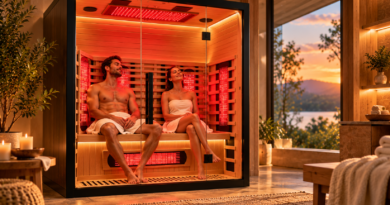
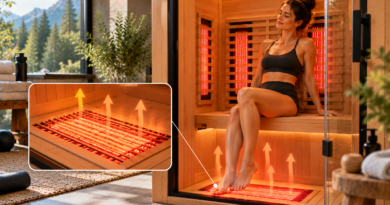
The sauna’s dimensions are 48 inches wide by 42 inches deep by 75 inches high, making it a comfortable fit for two adults side-by-side. The extra-wide bench seats two people, so you can enjoy a session with a partner or spread out on your own. The tourmaline-enriched floor foot heater adds another layer of warmth, helping to heat your body from the feet up, which many users find particularly soothing.
Full-Spectrum Heating and Red Light Therapy
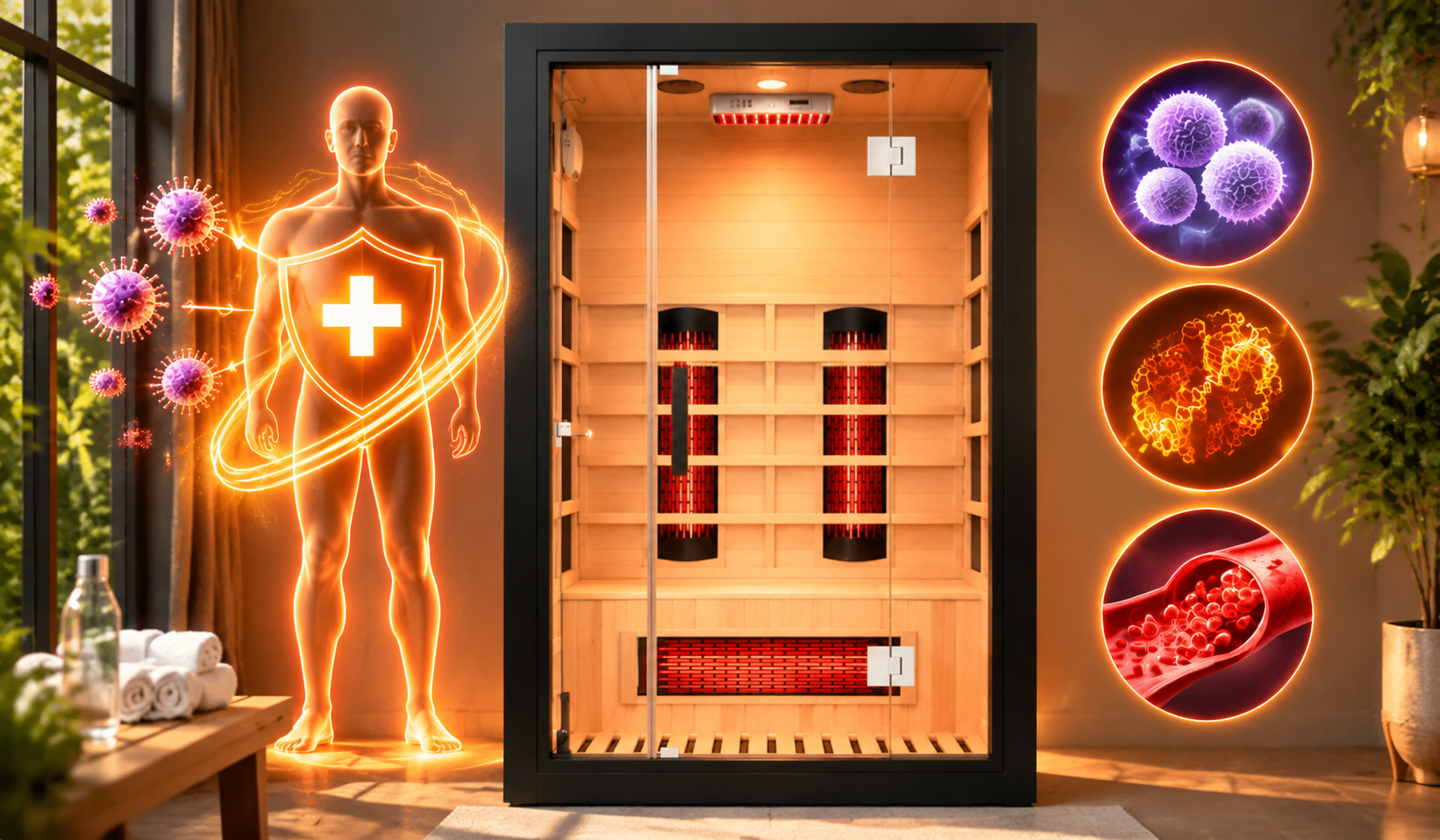
The YardSauna Forest’s full-spectrum heating is not just about warmth; it’s about delivering the right wavelengths to your body. The quartz heaters emit near, mid, and far infrared, while the carbon panels provide consistent far-infrared heat. The wide-format overhead red light and NIR array adds targeted light therapy to the mix. Red and near-infrared light have been studied for their potential to improve mitochondrial function, reduce inflammation, and support skin health. While these effects are not directly immune-related, they contribute to overall well-being, which can indirectly support immune function.
The dual-coverage design means that both seating areas receive red light and NIR therapy, so if you’re sharing the sauna with someone, you both benefit equally. This is a thoughtful feature that sets the YardSauna Forest apart from many two-person saunas that only have a single light panel.
Comfort and Convenience Features
Beyond the heating technology, the YardSauna Forest includes several features that make regular use more enjoyable. The high-fidelity Bluetooth acoustic speakers allow you to listen to music, podcasts, or guided meditations during your session. The digital touch console makes it easy to adjust the temperature and timer, and the customizable linear LED ambient lighting lets you set the mood. The multi-speed cabin ventilation helps keep the air fresh, which is important during longer sessions.
Assembly is straightforward with tongue-and-groove modular panels, and two adults can typically put it together in 45 to 60 minutes. The full-length tempered glass front gives the sauna a modern, open feel, and the natural Canadian Hemlock wood is both beautiful and durable. All of these features contribute to a sauna that you will actually want to use regularly, and consistency is key for immune support.
How to Use Your Infrared Sauna for Immune Support
To get the most immune benefit from your infrared sauna, consistency is more important than intensity. Aim for three to four sessions per week, each lasting 20 to 30 minutes. Start at a lower temperature, around 110 to 120 degrees Fahrenheit, and gradually work your way up as your body adapts. The goal is to raise your core temperature enough to induce a good sweat, but not so much that you feel uncomfortable or lightheaded.
Hydration is crucial. Drink a glass of water before your session and another glass afterward. You will lose fluids through sweat, and staying hydrated helps your body regulate temperature and flush out toxins. Some people like to add electrolytes to their post-sauna water, especially if they sweat heavily.
Timing matters too. Many people find that using the sauna in the evening helps them relax and sleep better, which is itself an immune booster. Others prefer a morning session to start the day feeling invigorated. Experiment to find what works best for you, but avoid using the sauna immediately after a heavy meal or when you are feeling unwell.
Step-by-Step Session Guide
-
Prepare the sauna: Turn on the YardSauna Forest and set the temperature to your desired level. Allow 10 to 15 minutes for the sauna to preheat. The quartz heaters warm up quickly, but the carbon panels take a bit longer to reach full output.
-
Hydrate before entering: Drink 8 to 16 ounces of water in the 30 minutes before your session. Avoid alcohol and caffeine, which can dehydrate you.
-
Enter and settle in: Sit on the bench with a towel underneath you. The extra-wide bench gives you room to stretch out or sit cross-legged. Close the door and let the heat envelop you.
-
Breathe and relax: Focus on slow, deep breaths. You can use the Bluetooth speakers to play calming music or a guided meditation. The LED lighting can be dimmed to create a soothing atmosphere.
-
Monitor your comfort: Stay in the sauna for 20 to 30 minutes, or until you have a good sweat going. If you feel dizzy, nauseous, or overly hot, exit immediately and cool down.
-
Cool down gradually: After your session, step out and let your body cool naturally. Some people enjoy a cool shower, but avoid jumping into cold water immediately, as this can be a shock to the system.
-
Rehydrate and rest: Drink another glass of water and rest for a few minutes. Your body will continue to cool down and your heart rate will return to normal.
Common Mistakes to Avoid
Even with the best intentions, it’s easy to make mistakes that reduce the effectiveness of your sauna sessions or even make them counterproductive. Here are some common pitfalls to watch out for:
-
Overdoing it: More is not always better. Spending too long in the sauna or using it too frequently can lead to dehydration, electrolyte imbalance, and excessive stress on the body. Stick to 20-30 minute sessions, 3-4 times per week.
-
Not hydrating enough: Sweating removes water and electrolytes. If you don’t replace them, you may feel fatigued, dizzy, or get headaches. Always drink water before and after your session.
-
Using the sauna when sick: While sauna use may help prevent illness, it’s not a good idea to use it when you have a fever or an active infection. The added heat stress can make you feel worse and may prolong your illness.
-
Ignoring your body’s signals: If you feel uncomfortable, lightheaded, or nauseous, get out of the sauna. Your body knows its limits, and pushing through discomfort is not beneficial.
-
Skipping the cool-down: After a sauna session, your body needs time to return to normal. Jumping straight into a cold shower or going outside in cold weather can cause a sudden drop in blood pressure. Cool down gradually.
-
Not cleaning the sauna: Sweat and moisture can lead to mold and bacteria growth. Wipe down the bench and interior after each use, and leave the door open for a while to let it air out.
Practical Tips for Maximizing Immune Benefits
To get the most out of your YardSauna Forest for immune support, consider these practical tips:
-
Set a schedule: Consistency is key. Pick specific days and times for your sauna sessions and stick to them. Treat it like an appointment with yourself.
-
Combine with light exercise: A short walk or gentle stretching before your sauna session can help warm up your muscles and increase circulation, making the heat more effective.
-
Use the red light therapy: The overhead red light and NIR array is a unique feature of the YardSauna Forest. Make sure it’s turned on during your session to get the full benefit.
-
Practice deep breathing: Slow, deep breaths help activate the parasympathetic nervous system, which supports immune function. Try inhaling for four counts, holding for four, and exhaling for six.
-
Stay warm after the session: Your body will continue to sweat for a few minutes after you leave the sauna. Wrap yourself in a towel or robe and let your body cool down gradually.
-
Listen to your body: Some days you may tolerate heat better than others. Adjust the temperature and duration accordingly. The goal is to feel invigorated, not exhausted.
-
Keep a journal: Track how you feel after each session. Note your energy levels, sleep quality, and any changes in your overall health. This can help you fine-tune your routine.
Buyer Considerations: Choosing the Right Infrared Sauna
If you’re in the market for an infrared sauna, there are several factors to consider beyond just the price. The type of heating elements, the EMF levels, the materials used, and the overall build quality all affect your experience and the long-term value of your investment.
Full-spectrum infrared saunas are generally more versatile than far-infrared-only models because they deliver a wider range of wavelengths. The YardSauna Forest’s combination of quartz full-spectrum heaters and ultra-low EMF carbon panels provides both deep-penetrating heat and consistent surface warmth. This dual approach is more effective at raising core temperature than carbon panels alone.
EMF exposure is a common concern with electric saunas. The YardSauna Forest is designed with ultra-low EMF carbon panels, which are engineered to minimize electromagnetic field emissions. While no electric device can be completely EMF-free, choosing a sauna with low-EMF certification gives you peace of mind.
The materials used in the sauna’s construction are also important. The YardSauna Forest is built from 100% non-toxic Canadian Hemlock, a wood that is naturally resistant to moisture and does not require chemical treatments. This means you won’t be breathing in harmful fumes during your sessions. The sauna is also UL/ETL/CE/ISO 9001 certified, which speaks to its safety and quality standards.
Finally, consider the size and footprint. The YardSauna Forest measures 48 inches wide by 42 inches deep by 75 inches high, which is compact enough to fit in many homes, yet spacious enough for two people. The extra-wide bench is a nice touch, providing comfortable seating for two adults side-by-side. If you have limited space, measure carefully before purchasing, and remember to leave room for the door to open and for ventilation.
Real-World Examples and User Experiences
Many sauna users report that regular infrared sessions have become a cornerstone of their wellness routine. One common theme is the feeling of relaxation and stress reduction that comes after a session. Since chronic stress is known to suppress immune function, anything that helps you relax can indirectly support your immune system.
Some users also note that they seem to catch fewer colds during the winter months when they use their sauna consistently. While this is anecdotal, it aligns with the research suggesting that heat stress can boost white blood cell production. The key is to use the sauna regularly, not just when you feel a cold coming on.
The YardSauna Forest’s two-person capacity is a feature that many couples appreciate. Sharing a sauna session can be a bonding experience, and it makes the investment more worthwhile. The Bluetooth speakers and ambient lighting add to the experience, making it feel like a mini spa retreat at home.
Of course, individual results vary, and the sauna should not be seen as a magic bullet. It’s one tool among many for supporting your health. A balanced diet, regular exercise, adequate sleep, and stress management are all essential. But for those looking to add a new dimension to their wellness routine, an infrared sauna can be a valuable addition.
Video Walkthrough: Inside the Infrared Sauna Experience
In this video, Dr. Josh Axe takes you inside an infrared sauna to demonstrate how the heat affects your body in real time. He explains the concept of the ‘cell danger response’ and how infrared heat can help your cells shift out of a protective, stressed state into a state of repair and optimal function. The video includes a Q&A session where Dr. Axe answers common questions about sauna use, including how often to use one and what temperature to aim for.
You’ll see the sauna in action and get a sense of what a typical session feels like. Dr. Axe discusses the role of heat shock proteins and how they contribute to immune activation, as well as the importance of consistency. This walkthrough is a helpful companion to the written guide above, giving you a visual and experiential understanding of the process.
YouTube: This Is What Happens to Your Body in an Infrared Sauna – See the heat response in action (~9 min)
Final Thoughts: Building a Resilient Immune System with Infrared Heat
Supporting your immune system is a long-term commitment, and infrared sauna use can be a valuable part of that effort. The gentle, penetrating heat of the YardSauna Forest 2-Person Infrared Sauna offers a convenient way to induce a mild fever-like state, stimulate white blood cell production, and activate heat shock proteins. With its full-spectrum heating, low-EMF design, and comfortable two-person capacity, it’s a practical choice for anyone looking to incorporate regular heat therapy into their wellness routine.
Remember that consistency is key. Three to four sessions per week, each lasting 20 to 30 minutes, is a good target for most people. Stay hydrated, listen to your body, and combine your sauna use with other healthy habits. Over time, you may find that you feel more resilient and better equipped to fend off seasonal bugs.
As with any wellness practice, it’s wise to consult with your healthcare provider before starting a new sauna routine, especially if you have underlying health conditions. The information in this article is for informational purposes only.
Frequently Asked Questions
1. How often should I use an infrared sauna for immune support?
Most experts recommend using an infrared sauna three to four times per week for immune benefits. Each session should last 20 to 30 minutes. Consistency is more important than duration, so find a schedule that works for you and stick to it.
2. What temperature should I set my infrared sauna to?
Start at a lower temperature, around 110 to 120 degrees Fahrenheit, and gradually increase as your body adapts. The goal is to raise your core temperature enough to induce a good sweat, but not so much that you feel uncomfortable. Many users find 120 to 130 degrees Fahrenheit to be ideal.
3. Can infrared sauna use prevent colds and flu?
While no practice can guarantee prevention, some studies suggest that regular sauna use may reduce the frequency of respiratory infections. The heat-induced increase in white blood cells and improved circulation may help your body fight off pathogens more effectively.
4. Is it safe to use an infrared sauna every day?
For most healthy adults, daily sauna use is safe as long as you stay hydrated and listen to your body. However, more is not always better. Three to four sessions per week is a good target for immune support, and daily use may be excessive for some people.
5. How does infrared heat differ from traditional sauna heat?
Traditional saunas heat the air around you, often reaching temperatures of 180 to 200 degrees Fahrenheit. Infrared saunas use radiant heat to warm your body directly, allowing for a lower ambient temperature (typically 110 to 140 degrees Fahrenheit) while still raising your core temperature effectively.
6. What are heat shock proteins and why are they important?
Heat shock proteins are molecules produced by cells under stress, including heat. They help repair damaged proteins and protect cells from further damage. In the immune system, they can act as danger signals that activate immune cells, potentially enhancing your body’s defense mechanisms.
7. Can I use the sauna if I have a medical condition?
If you have a medical condition, especially cardiovascular issues, high blood pressure, or are pregnant, consult your healthcare provider before using an infrared sauna. The heat stress can affect blood pressure and heart rate, so it’s important to get medical clearance first.
8. How long does it take to see immune benefits from sauna use?
Some people report feeling better after just a few sessions, but the immune benefits are cumulative. Consistent use over several weeks or months is likely needed to see measurable changes in white blood cell counts or a reduction in illness frequency.
9. Should I use the red light therapy feature during my sauna session?
Yes, the red light and near-infrared therapy in the YardSauna Forest can complement the heat effects. Red light has been studied for its potential to improve cellular energy production and reduce inflammation, which may indirectly support immune function. Turn it on during your session for maximum benefit.
10. What should I do after a sauna session to maximize benefits?
After your session, cool down gradually, rehydrate with water or an electrolyte drink, and rest for a few minutes. Avoid jumping into a cold shower immediately, as this can cause a sudden drop in blood pressure. A gentle cool-down helps your body return to normal safely.
11. Is the YardSauna Forest suitable for two people?
Yes, the YardSauna Forest is designed for two people, with an extra-wide bench that seats two adults side-by-side. The dimensions are 48 inches wide by 42 inches deep by 75 inches high, providing comfortable space for two people without feeling cramped.
12. How do I clean and maintain my infrared sauna?
After each use, wipe down the bench and interior surfaces with a clean, damp cloth to remove sweat. Leave the door open for a while to allow the sauna to air out and prevent mold growth. Periodically check the heating elements and ventilation to ensure everything is working properly.
For more on low-EMF home infrared saunas and the models we offer, visit yardsauna.com.
This article is for informational purposes only and does not constitute medical advice. Always consult a qualified healthcare provider before starting any new wellness routine, especially if you have pre-existing conditions or are pregnant.