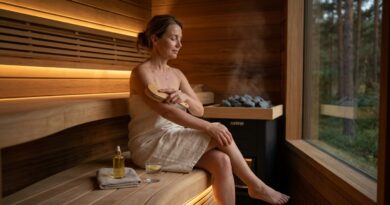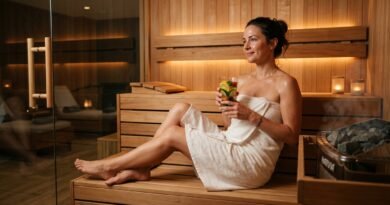
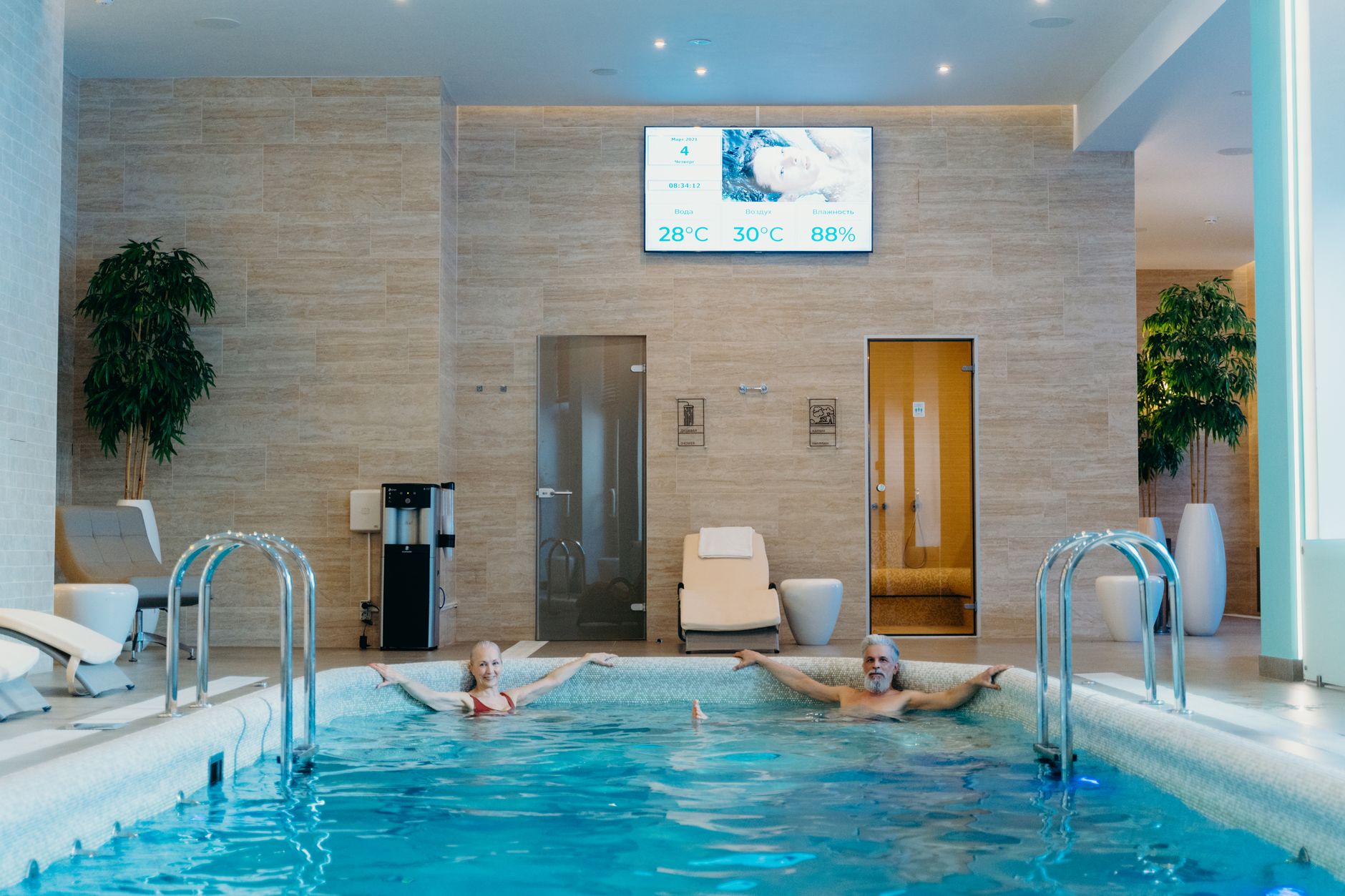
Swimming and Sauna: Why Swimmers Love the Heat
When you spend enough time in the water, you begin to notice a pattern among your fellow swimmers. The same people who log endless laps in the pool or brave chilly open-water distances often share another habit: they love the sauna. It is a pairing that feels almost instinctive, yet rarely gets the attention it deserves. Swimming and sauna are like peanut butter and jelly. They go hand in hand. Once you experience the rhythm of moving from cool water to hot wooden benches and back again, it is hard to imagine one without the other.
The connection runs deeper than simple convenience. Both activities engage the body in ways that complement each other beautifully. Swimming is demanding, rhythmic, and cooling. Sauna is passive, enveloping, and warming. Together, they create a cycle of exertion and restoration that leaves you feeling balanced in a way that few other routines can match. If you have ever stood shivering on a dock after a long swim, the thought of a hot room waiting nearby is not just appealing. It feels necessary.
Why Swimmers Are Drawn to Heat
Swimmers spend hours immersed in a medium that constantly pulls heat away from the body. Even in a heated indoor pool, the water temperature is well below your core temperature, which means your body works hard simply to stay warm while you exercise. This is part of why swimming burns so much energy. It is also why the sensation of stepping into a sauna after a swim feels so profoundly good. The warmth does not just relax your muscles. It reaches into the parts of you that have been quietly chilled for the last hour.
There is also a mental shift that happens. Swimming requires focus on breath, stroke, and rhythm. A sauna asks for none of that. You sit. You breathe. You let the heat do its work. For people who spend a lot of time pushing themselves physically, this permission to simply exist in a hot room is a rare gift.
The Contrast Effect: Cold Water and Hot Rooms
The real magic happens when you alternate between the two. Many swimmers who use a sauna do not just sit in the heat and leave. They move back and forth between hot and cold. A typical session might look like this: swim, then sauna, then a cool shower or a quick plunge, then back to the sauna. Each transition sharpens the senses and wakes up the circulatory system.
How Alternating Heat and Cold Feels
When you step from a hot sauna into cold water, your blood vessels constrict. Your heart rate picks up. Your skin tingles. Then, when you return to the heat, your vessels dilate again and a wave of relaxation flows through you. This contrast is invigorating in a way that is hard to describe until you have tried it. It is one of the reasons so many Nordic and Baltic swimming traditions include a sauna component. In Finland, the sequence of lake swim, sauna, lake swim is practically a cultural ritual.
Finding Your Own Rhythm
You do not need a frozen lake to experience this. A cool pool, a cold shower, or even stepping outside into crisp air can provide enough contrast. The key is listening to your body. Some people tolerate multiple rounds. Others find that one or two transitions are plenty. What matters is the cycle itself. It creates a feeling of alert calm that stays with you long after you have dried off.
Recovery Benefits for Regular Swimmers
Swimming is famously low impact, but it is not without strain. Shoulders, lats, and upper back muscles do a tremendous amount of work. The warmth of a sauna increases blood flow to tired tissues, which can help reduce soreness and stiffness. Many swimmers find that a short sauna session after a workout leaves them feeling looser the next morning.
The passive heat also encourages deep breathing. After a hard swim, sitting in a warm room and focusing on slow, steady breaths can help shift your nervous system out of a stressed state. This is not just about comfort. It supports recovery. When your body spends more time in a relaxed state, it can direct energy toward repair and adaptation. Research on sauna use and relaxation highlights how heat exposure can support overall well-being.
Sauna as a Social Extension of Swimming Culture
Swimming can be a solitary pursuit. Even when you share a lane, the focus is inward. The sauna offers something different. It is a place where conversation flows more easily, where the pace slows down, and where the usual barriers drop away. Many swimming communities have built their social lives around this combination. The post-swim sauna is not just about warming up. It is where plans are made, stories are told, and friendships are strengthened.
In places where public pools include sauna facilities, you will often see the same groups gathering at the same times. The bench becomes a communal space. The shared experience of heat creates a bond that feels different from the shared experience of laps. There is room to talk, or simply to sit in silence together. Both are accepted.
Practical Tips for Combining Swimming and Sauna
If you want to build this pairing into your routine, a few practical considerations will help you get the most out of it. Whether you are planning a full Yard Sauna setup or using a facility at your local pool, the same principles apply.
Hydration Matters More Than You Think
Both swimming and sauna cause fluid loss. Swimming masks your sweat, but you are still losing water. Sauna makes the loss obvious. Drink water before, between, and after sessions. If you feel lightheaded, that is a sign to cool down and rehydrate.
Timing Your Sessions
Most people prefer sauna after swimming. Your muscles are warm, your body is ready to relax, and the transition feels natural. Some swimmers do a short sauna warm-up before getting in the water, but this is less common. If you try it, keep the pre-swim session brief and be aware that too much heat can leave you feeling sluggish in the water.
Listening to Your Body’s Exit Cues
Every sauna session has a natural endpoint. For many people, the time to leave the hot room is usually when the idea of an ice cold lake swim is about to become impossible to resist. That sudden shift from enjoying the heat to craving the cold is a reliable signal. Pay attention to it. Do not force yourself to stay longer. The contrast is part of the experience, not a failure of endurance.
Some days you will want a long, slow sauna. Other days, ten minutes is plenty. Both are fine. The goal is not to prove anything. It is to let the heat work with your swimming, not against it.
A Natural Partnership
The more you swim, the more you appreciate what a sauna offers. It is not a luxury or an afterthought. It is the other half of a rhythm that has been part of human life for centuries. Cold water and hot rooms. Exertion and rest. Focus and release. These pairings feel right because they address different needs that live side by side in the same body.
If you already love swimming, and you have not spent much time in a sauna, you may be missing the piece that completes the picture. Give it a try. Start with a short session after your next swim. Notice how your muscles feel. Notice how your mind settles. Notice the moment when the heat stops feeling soothing and starts feeling like an invitation to cool down. That is the signal. That is the rhythm. That is why swimmers who discover the sauna rarely go back to swimming without it.