Superyacht Infrared Sauna Trend: What It Means for Home Wellness
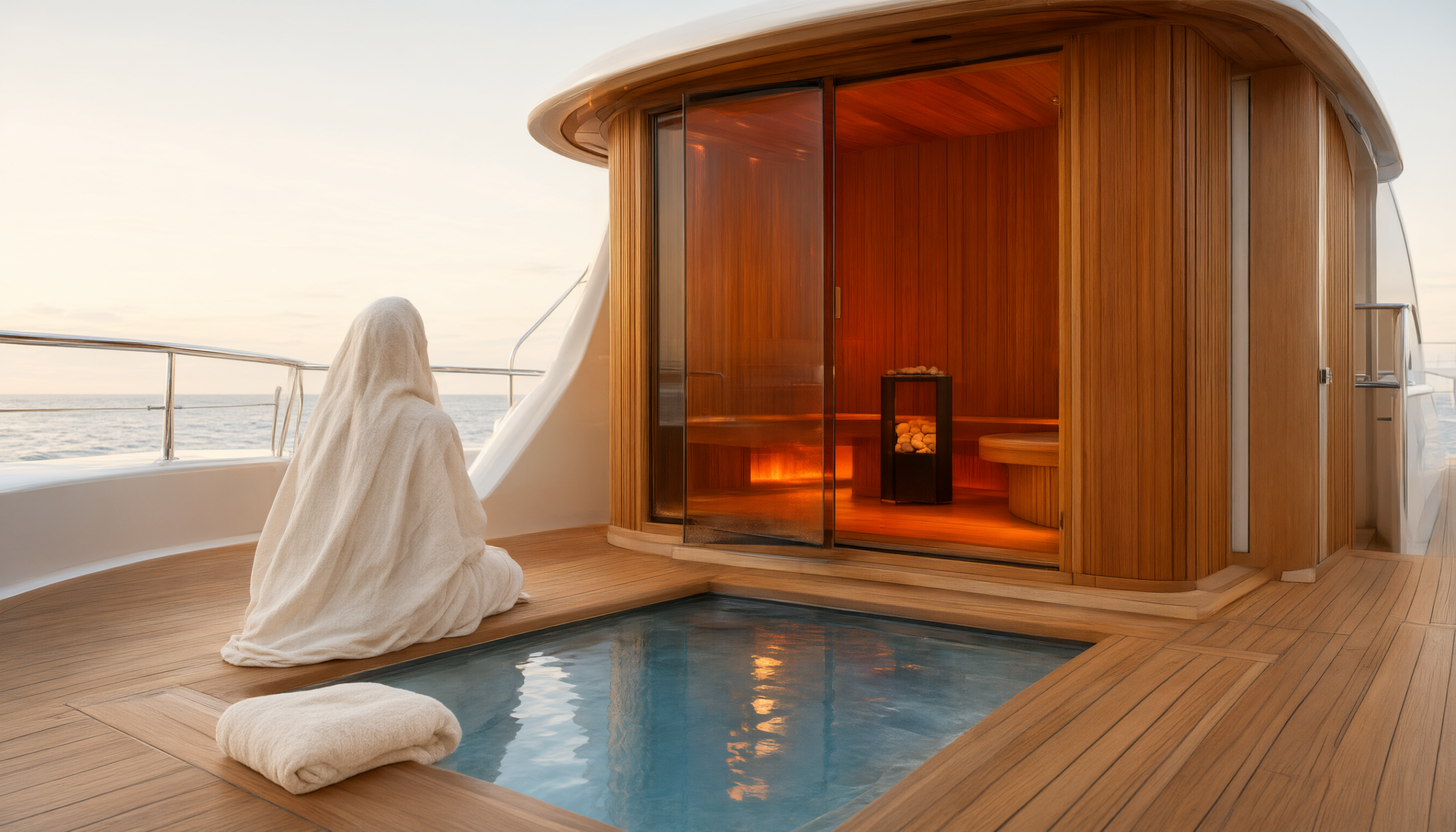
A €30 million superyacht docked at Kinsale Harbour is turning heads not just for its size, but for its onboard wellness suite featuring an infrared sauna and ice pool. The vessel, spotted this week by Cork Beo, showcases how high-end marine design is increasingly borrowing from the same recovery technologies now finding their way into American homes. While most of us won’t be installing a sauna on a yacht, the underlying appeal—convenient, private, low-maintenance heat therapy—is exactly what’s driving the modern home infrared sauna market.
Why Infrared Saunas Are Showing Up on Superyachts
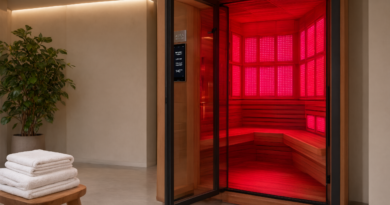
Space is the ultimate luxury on any vessel, and infrared saunas have a clear advantage over traditional steam saunas: they’re compact, heat up quickly, and require no complex plumbing or ventilation. A modern far-infrared unit can fit into a cabin corner and run off standard marine electrical systems, making it a practical choice for yacht designers who want to offer a spa experience without sacrificing square footage. The same logic applies to a typical American home, where a two-person infrared sauna can be installed in a spare room, basement, or even a large bathroom without major renovation.
The Appeal of Low-EMF Technology
One detail that often goes unmentioned in superyacht walkthroughs is electromagnetic field (EMF) exposure. High-end residential and marine installations increasingly specify low-EMF infrared panels, which reduce electrical field emissions while still delivering the deep, penetrating warmth that infrared is known for. For home buyers, this is worth paying attention to: a modern low-EMF far-infrared unit offers the same core experience with fewer concerns about prolonged close-range exposure, especially in a small enclosed space.
Ice Pool + Infrared: A Contrast Therapy Trend
The Cork Beo feature highlights the combination of an infrared sauna with an ice pool—a pairing known as contrast therapy. The idea is simple: heat dilates blood vessels and relaxes muscles; cold constricts vessels and reduces inflammation. Alternating between the two creates a “pump” effect that many athletes and wellness enthusiasts believe speeds recovery. On a superyacht, the ice pool is a dramatic statement. At home, you can approximate the same effect with a cold shower or an inexpensive plunge tub after a session in a compact home sauna cabin.
What the Research Says About Infrared Heat
Infrared saunas operate at lower temperatures than traditional saunas—typically 120–140°F versus 180–200°F—yet they penetrate the skin more deeply. Research suggests that this deep heating can temporarily increase heart rate and induce a mild cardiovascular response similar to moderate exercise. Some studies show improvements in vascular function and blood pressure in people who use infrared saunas regularly, though the evidence base is still growing. Many users report feeling more relaxed and sleeping better after evening sessions, which aligns with the general relaxation response triggered by heat.
“The combination of infrared heat and cold immersion is one of the oldest recovery protocols in human history, now repackaged for the superyacht set—and increasingly, for the suburban home.”
What Infrared Saunas Can’t Do
It’s important to keep expectations realistic. Infrared saunas are not medical devices, and no credible study shows they “detoxify” the body in any meaningful sense. Sweating does eliminate trace amounts of heavy metals, but the liver and kidneys do the real detoxification work. Similarly, claims about weight loss are largely overstated—any immediate drop on the scale is water weight. What an at-home infrared sauna can reliably deliver is a warm, quiet space for relaxation, muscle tension relief, and a break from screens and stress. For many people, that alone is worth the investment.
From Superyacht to Suburban Home: What to Look For
If the Kinsale Harbour yacht has you curious about bringing infrared heat into your own life, here’s what matters most when comparing home units:
- Heater type: Look for carbon or ceramic panels with low EMF ratings. Carbon panels tend to distribute heat more evenly across a larger surface area.
- Size and footprint: A one-person unit can fit in a closet-sized space; two-person models typically need about 4×4 feet of floor space. Measure your intended room before buying.
- Warm-up time: Most infrared saunas reach therapeutic temperature in 15–20 minutes, far faster than traditional saunas. Faster warm-up means you’re more likely to use it regularly.
- Materials: Look for solid wood construction (Canadian hemlock or similar) with low-VOC finishes. Avoid particleboard or MDF, which can off-gas when heated.
- Controls and safety: A simple digital panel with timer and temperature settings is ideal. Automatic shut-off is a must for home use.
Installation and Maintenance Realities
Unlike a superyacht retrofit, installing a home infrared sauna is surprisingly straightforward. Most units ship as modular panels that assemble in under an hour with basic tools, and they plug into a standard 120-volt outlet. No plumbing, no ventilation, no special electrical work. Maintenance is minimal: wipe down interior surfaces after use, occasionally clean the heater panels with a dry cloth, and keep the door slightly ajar when not in use to allow airflow. That’s about it. For busy homeowners, this low-friction setup is a major reason infrared has overtaken traditional steam saunas in popularity.
Cost Considerations: Yacht vs. Home
The superyacht in Cork Beo reportedly cost €30 million, but you don’t need a fraction of that to enjoy infrared heat at home. Quality one- and two-person home saunas typically range from $1,500 to $4,000, with premium low-EMF models at the higher end. Operating costs are modest—most units draw about 1.5 to 2.0 kilowatts, meaning a 30-minute session costs roughly 10 to 15 cents in electricity. Compare that to a gym membership or a spa visit, and the math favors home ownership for anyone who uses it more than once a week.
How to Build a Simple Home Contrast Therapy Routine
The ice pool on the Kinsale yacht is impressive, but you can replicate the core benefits with a simple sequence at home. Here’s a practical protocol used by many recovery-focused athletes:
- Warm up for 10–15 minutes in a low-EMF infrared sauna set to 130–140°F. Let your body fully warm up and begin to sweat lightly.
- Step out and cool down with a 1–2 minute cold shower, focusing on your legs and back. If you have a plunge tub or cold bath, even better—aim for 50–60°F water.
- Repeat the cycle one or two more times if time allows, always ending on cold to leave you feeling alert and refreshed.
- Finish with 5 minutes of quiet rest, lying down or sitting with your eyes closed. This helps your nervous system settle into a parasympathetic state.
This routine takes less than 45 minutes and requires no special equipment beyond a home sauna and a shower. Many users report that it helps with post-workout soreness and mental clarity, though individual responses vary.
Frequently Asked Questions
Is an infrared sauna safe to use every day?
For most healthy adults, daily use of an infrared sauna is considered safe when sessions are kept to 15–30 minutes at moderate temperatures. Staying hydrated before and after is essential, and anyone with cardiovascular conditions, pregnancy, or prescription medications should consult a doctor first. Listen to your body—if you feel dizzy or nauseous, end the session early.
How does infrared heat differ from a traditional sauna?
Traditional saunas heat the air around you to 180°F or higher, which can feel intense and sometimes uncomfortable. Infrared saunas use light waves to heat your body directly while the air stays much cooler, typically 120–140°F. This allows for longer, more tolerable sessions and is often preferred by people who find traditional saunas overwhelming.
Do I need a dedicated circuit or special wiring for a home infrared sauna?
Most one- and two-person infrared saunas plug into a standard 120-volt, 15-amp household outlet—the same kind used for a microwave or space heater. No dedicated circuit is required, though you should avoid running other high-draw appliances on the same circuit during a session. Always check the manufacturer’s specifications before installation.
Bringing the Superyacht Wellness Ethos Home
The €30 million yacht at Kinsale Harbour is a reminder that the world’s most exclusive wellness amenities are increasingly available to the rest of us. You may not have a marina berth or a crew to maintain an ice pool, but a modern low-EMF far-infrared unit in your basement or spare room delivers the same core benefit: a private, convenient space to warm up, unwind, and recover. At yardsauna.net, we focus on exactly that—compact, low-EMF home saunas designed for real houses and real routines. No yacht required.
This article is for informational purposes only and does not constitute medical advice. Always consult a qualified healthcare provider before starting any new wellness routine, especially if you have pre-existing conditions or are pregnant.