
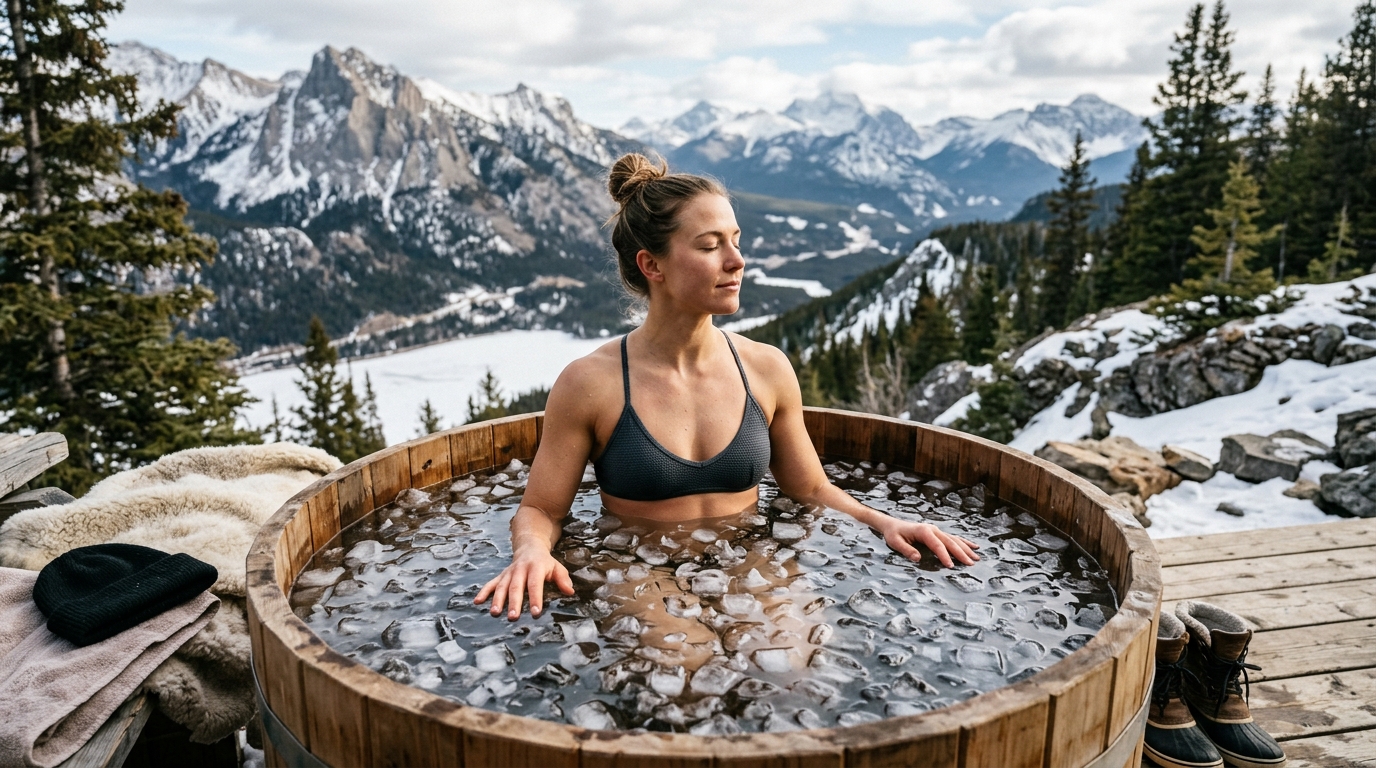
The Ultimate Guide to Cold Therapy: Science, Benefits, and Modern Protocols
Cold therapy—also known as cold stress, cold water immersion (CWI), or cryotherapy—has evolved from an ancient practice into one of the most widely used performance and longevity biohacks today. From elite athletes plunging into ice baths to daily cold showers in home bathrooms, exposure to low temperatures triggers profound biological adaptations across your cardiovascular, neurological, and metabolic systems.
Whether your goal is accelerating athletic recovery, boosting mental resilience, or optimizing metabolic efficiency, understanding the science behind cold exposure allows you to build a safe, highly effective routine.
The Biological Cascade: What Happens When You Freeze?
When your skin detects a sudden drop in temperature, your body instantly activates a survival-based physiological response across three key systems:
- Massive Neurotransmitter Release: Cold exposure induces a rapid activation of the sympathetic nervous system. The acute cold shock causes a dramatic release of norepinephrine and dopamine into the bloodstream and brain. Norepinephrine spikes can increase up to 500%, while dopamine levels remain elevated for hours, dramatically sharpening focus, mood, and cognitive clarity.
- Vasoconstriction and Flush Circulation: To preserve core body temperature, your blood vessels undergo intense peripheral vasoconstriction, shunting blood away from the skin and limbs toward vital organs. Once you exit the cold and begin to warm up, vasodilation occurs—driving oxygenated, nutrient-rich blood back out into peripheral tissues and flushing out inflammatory waste.
- Mitochondrial Activation & Brown Fat Thermogenesis: Unlike white adipose tissue (which stores energy), Brown Adipose Tissue (BAT) is rich in mitochondria and burns calories specifically to generate heat. Regular cold therapy stimulates non-shivering thermogenesis, encouraging your body to convert stubborn white fat into energy-burning beige and brown fat.
4 Main Health Benefits of Cold Therapy
1. Accelerated Muscle Recovery & Pain Relief
By constricting blood vessels, cold therapy reduces acute inflammation, swelling, and muscle tissue damage immediately following intense physical exertion. It dulls nerve conduction velocity, providing natural pain relief for sore joints and strained muscles.
2. Mental Resilience & Stress Tolerance
Intentionally entering uncomfortably cold water forces you to maintain deliberate control over your autonomic nervous system. By resisting the urge to gasp and actively controlling your breath under stress, you build top-down mental control and expand your overall resilience to daily life stressors.
3. Metabolic Rate Enhancement
The thermal effort required to warm your body back up to baseline requires significant energy expenditure. Over time, consistent cold exposure improves systemic insulin sensitivity, metabolic flexibility, and resting caloric burn.
4. Immune System Conditioning
Brief, deliberate cold stress acts as a form of positive stress (hormesis). Studies show that regular cold exposure increases white blood cell counts, including natural killer (NK) cells and lymphocytes, bolstering your baseline immune response against seasonal illnesses.
Comparing Cold Therapy Modalities
| Modality | Temperature Range | Ideal Duration | Best For |
| Cold Shower | 50°F – 60°F (10°C – 15°C) | 2 to 5 minutes | Daily energy boost, beginner adaptation |
| Ice Bath / Cold Plunge | 40°F – 55°F (4°C – 13°C) | 2 to 3 minutes | Maximal dopamine release, intense muscle recovery |
| Whole-Body Cryotherapy | -160°F – -220°F (-100°C – -140°C) | 2 to 3 minutes | Acute systemic inflammation, rapid joint pain relief |
| Contrast Therapy (Hot + Cold) | 100°F (Hot) / 50°F (Cold) | 3–4 alternating rounds | Vascular pump, overall relaxation, athletic recovery |
3 Essential Rules for an Effective Cold Routine
- Aim for 11 Minutes per Week: Research suggests that accumulating just 11 total minutes of cold exposure per week (divided across 2–4 sessions of 2–3 minutes each) is sufficient to trigger long-term metabolic and neurological adaptations.
- Prioritize Breath Control: When you first submerge, focus on taking slow, deep exhalations through your nose. Overcoming the initial cold-shock gasping reflex calms the nervous system and prevents panic.
- End on Cold for Fat Loss (The Søberg Principle): If your goal is to maximize metabolic burn, allow your body to shiver and warm up naturally after exiting the cold plunge rather than rushing into a hot shower immediately.