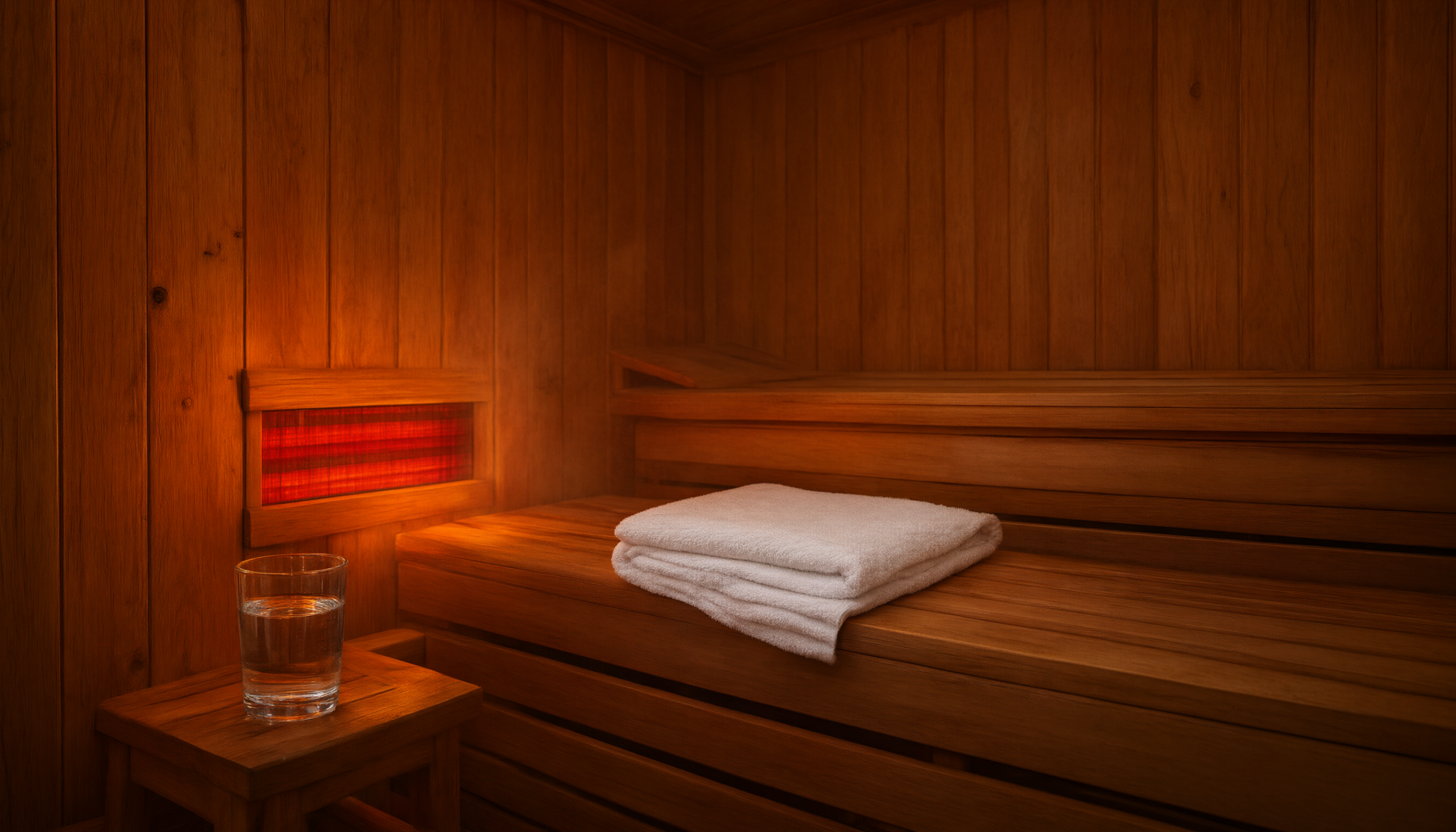
Infrared Sauna Benefits: What the Research Really Says
Infrared saunas have surged in popularity among American homeowners looking for a convenient way to support recovery, relaxation, and overall wellness. Unlike traditional steam saunas, infrared models use light to heat the body directly, often at lower ambient temperatures that many people find more tolerable. But beyond the comfort factor, a growing body of research suggests that regular infrared sauna use may offer measurable physiological benefits—from improved circulation to reduced muscle soreness.
This article examines what the science actually shows, how infrared heat therapy works on a biological level, and how to build a safe, realistic routine at home. We’ll also look at the limitations of the evidence and when it makes sense to talk with a healthcare provider.
Understanding Infrared Sauna Technology
Infrared saunas differ from traditional Finnish saunas in one key way: they don’t heat the air around you. Instead, they use infrared lamps or panels to emit electromagnetic radiation in the infrared spectrum, which penetrates the skin and warms the body from within. This allows for a deep, sweat-inducing session at temperatures typically between 120°F and 150°F, compared to 170°F or higher in a conventional sauna.
The infrared spectrum is divided into three bands: near, mid, and far. Near-infrared (NIR) has the shortest wavelength and penetrates most deeply, while far-infrared (FIR) has a longer wavelength and is absorbed more superficially. Many home saunas combine multiple wavelengths to target different tissue depths. Some models also incorporate red light therapy, which operates in the visible light range just below infrared and has been studied for skin health and muscle recovery.
How Infrared Heat Affects the Body
When infrared energy is absorbed by the skin and underlying tissues, it causes molecules to vibrate, generating heat from within. This internal heating triggers a cascade of physiological responses: blood vessels dilate, heart rate increases, and sweat glands activate. The result is a cardiovascular response similar to light exercise, which is why some researchers refer to infrared sauna use as ‘passive cardio.’
At the cellular level, the mild heat stress may also stimulate mitochondrial activity. Mitochondria—the energy powerhouses of cells—can become more efficient when exposed to short bursts of heat, a phenomenon known as hormesis. This is the same principle behind the benefits of exercise and cold exposure: a small, controlled stressor prompts the body to adapt and become more resilient.
What the Research Suggests
The scientific literature on infrared sauna therapy is still evolving, but several studies point to promising outcomes. It’s important to note that much of the research is small, short-term, or conducted on specific populations, so findings should be interpreted with caution. Still, the evidence base is growing, and many findings align with what users report anecdotally.
Cardiovascular and Circulatory Effects
One of the most consistent findings is that infrared sauna sessions increase heart rate and improve blood flow. A study published in the Journal of the American College of Cardiology found that regular sauna use was associated with a lower risk of cardiovascular events in middle-aged men, though the saunas used were traditional Finnish models. Infrared-specific research suggests that blood flow can double during a session, which may help deliver oxygen and nutrients to tissues while removing metabolic waste.
Research suggests that infrared sauna use may raise cardiac output to a degree similar to moderate exercise, offering a gentle cardiovascular stimulus for those who cannot engage in traditional workouts.
Muscle Recovery and Flexibility
Many athletes and weekend warriors turn to infrared saunas for post-workout recovery. The increased circulation may help reduce delayed-onset muscle soreness (DOMS) and speed the repair of micro-tears in muscle tissue. A small study from Auburn University at Montgomery found that participants who used an infrared sauna showed significant improvements in flexibility—up to three times greater than a control group—suggesting that heat therapy can enhance range of motion when combined with stretching.
Red and near-infrared light, often included in infrared sauna panels, have also been studied for their potential to reduce inflammation and oxidative stress. While the mechanisms are not fully understood, some researchers believe these wavelengths can stimulate mitochondrial biogenesis—the creation of new mitochondria—which may support muscle function and recovery over time.
Stress Reduction and Sleep Quality
Beyond the physical benefits, many users report that infrared sauna sessions help them unwind and sleep more deeply. The heat exposure triggers the release of endorphins and may lower cortisol levels, promoting a state of relaxation. While robust clinical trials on sauna use for sleep are lacking, the subjective experience of calm after a session is widely reported and aligns with the known effects of heat on the parasympathetic nervous system.
Building a Safe Home Sauna Routine
If you’re considering adding an infrared sauna to your wellness routine, the key is to start slowly and listen to your body. Here are some practical tips to get the most out of your sessions while minimizing risk.
- Start with 10–15 minutes at a moderate temperature (around 120°F) and gradually increase duration and heat as your body adapts.
- Hydrate before, during, and after your session—infrared saunas cause significant sweating, and dehydration can lead to dizziness or headaches.
- Allow your body to cool down naturally after a session; avoid jumping into a cold shower immediately, as this can stress the cardiovascular system.
- Use the sauna at least 3–4 hours before bedtime if you find that heat exposure energizes you, or right before bed if it helps you wind down.
Step-by-Step Beginner Routine
- Set your sauna to a comfortable starting temperature (120–130°F for most people).
- Take a quick warm shower to open pores and remove lotions or oils that can block sweating.
- Enter the sauna with a towel to sit on and a water bottle within reach.
- Relax for 10–15 minutes, focusing on slow, deep breathing.
- Exit slowly, sit for a few minutes to cool down, then rehydrate with water or an electrolyte drink.
- Repeat 3–4 times per week, adjusting duration and temperature based on how you feel.
Who Should Be Cautious
Infrared saunas are generally considered safe for healthy adults, but certain groups should consult a doctor before use. Pregnant women, people with cardiovascular conditions, those with multiple sclerosis, and anyone taking medications that affect sweating or blood pressure should seek medical advice first. Children and older adults may also be more sensitive to heat and should use shorter sessions at lower temperatures.
The History and Context of Heat Therapy
Humans have used heat for healing and ritual for thousands of years. From the sweat lodges of Indigenous North American cultures to the Roman thermae and the Finnish sauna tradition, the practice of deliberate heat exposure spans continents and centuries. What’s new is the technology: infrared saunas emerged in the 1960s and gained popularity in Japan before spreading to Europe and North America. Today, they offer a more accessible and energy-efficient alternative to traditional steam saunas, making home use practical for many households.
The modern interest in infrared saunas is also driven by a broader cultural shift toward proactive health management. As more people seek non-pharmaceutical ways to support recovery, reduce stress, and improve sleep, heat therapy has become a cornerstone of the ‘biohacking’ and wellness movements. While the science is still catching up, the anecdotal and preliminary evidence is compelling enough to warrant serious attention.
Practical Tips for Maximizing Benefits
To get the most from your infrared sauna investment, consider these evidence-informed strategies:
- Combine sauna use with light stretching or mobility work to enhance flexibility gains.
- Alternate sauna sessions with cold exposure (like a cool shower) to stimulate circulation and recovery, but only if you are healthy and acclimated.
- Keep a consistent schedule—regular use appears to offer more cumulative benefits than sporadic sessions.
- Track how you feel: note your sleep quality, muscle soreness, and energy levels to find your optimal frequency and duration.
Video Walkthrough: What Happens Inside an Infrared Sauna
YouTube: THIS is What Happens To Your Body in an Infrared Sauna – Dr. Gundry explains the science
In this on-camera walkthrough, Dr. Steven Gundry discusses the physiological changes that occur during an infrared sauna session, focusing on mitochondrial uncoupling and heat hormesis. He explains that the mild stress of heat can cause weak or dysfunctional mitochondria to die off while healthier ones adapt and thrive—a process linked to longevity in some research. He also highlights how infrared exposure can raise body temperature by up to three degrees in clinical studies, which may trigger a cardiovascular response similar to exercise.
The video covers the distinction between traditional saunas and infrared models, noting that infrared heat penetrates tissue more directly and can be more tolerable for people who dislike the intense, humid heat of a steam sauna. Dr. Gundry also touches on the role of near-infrared light in potentially increasing mitochondrial number and improving muscle recovery. He emphasizes that regular use, rather than occasional sessions, is key to seeing benefits, and he advises starting with shorter sessions at lower temperatures to build tolerance safely.
Summary: A Practical Addition to a Wellness Routine
Infrared sauna therapy offers a promising, low-impact way to support cardiovascular health, muscle recovery, and stress reduction. The research is still developing, but the existing evidence—combined with centuries of human experience with heat therapy—suggests that regular, moderate use can be a valuable part of a holistic wellness plan. As with any health practice, the key is consistency, proper hydration, and listening to your body’s signals.
Whether you’re an athlete looking to speed recovery or simply someone who wants a quiet space to decompress, a home infrared sauna can be a worthwhile investment. Just remember that it’s not a replacement for medical care, and anyone with underlying health conditions should seek professional guidance before starting a new heat therapy routine. This article is for informational purposes only and does not constitute medical advice.
Frequently Asked Questions
1. How often should I use an infrared sauna?
Most research and expert recommendations suggest 3–4 sessions per week for general wellness. Beginners should start with 2–3 shorter sessions and gradually increase frequency as tolerated. Consistency appears more important than duration, so a regular schedule of 15–20 minute sessions is a good target.
2. Is an infrared sauna safe for me?
For most healthy adults, infrared saunas are safe when used properly. However, pregnant women, people with heart conditions, those with multiple sclerosis, and anyone on medications that affect blood pressure or sweating should consult a doctor first. Children and older adults should use lower temperatures and shorter sessions.
3. What temperature should I set my infrared sauna to?
Infrared saunas typically operate between 120°F and 150°F. Beginners should start around 120°F and increase gradually. The goal is to sweat comfortably without feeling dizzy or overheated. Some people prefer lower temperatures with longer sessions, while others tolerate higher heat for shorter periods.
4. How long should a session last?
For most people, 15–20 minutes is an effective starting point. Some experienced users go up to 30–40 minutes, but longer is not necessarily better. Pay attention to how you feel—if you become lightheaded, nauseous, or excessively fatigued, end the session early and hydrate.
5. Can infrared saunas help with muscle recovery?
Several small studies suggest that infrared heat can increase blood flow and reduce muscle soreness after exercise. The warmth helps relax tight muscles, while improved circulation may speed the delivery of nutrients and removal of waste products. Many athletes report faster recovery when using a sauna post-workout.
6. Do infrared saunas help with weight loss?
Infrared saunas can cause temporary water weight loss through sweating, but this is not fat loss. Some research suggests that regular sauna use may slightly increase metabolic rate, but the effect is modest. Saunas are best viewed as a complement to a healthy diet and exercise, not a weight-loss tool.
7. What is the difference between near, mid, and far infrared?
Near-infrared has the shortest wavelength and penetrates deepest into tissues, potentially supporting cellular repair. Mid-infrared is absorbed more superficially and may aid circulation. Far-infrared has the longest wavelength and is absorbed mostly by the skin, promoting sweating and relaxation. Many home saunas combine all three.
8. Should I drink water during an infrared sauna session?
Yes, hydration is essential. You can lose a significant amount of fluid through sweating, so drink water before, during, and after your session. Consider adding electrolytes if you sweat heavily or use the sauna frequently. Avoid alcohol before sauna use, as it increases dehydration risk.
9. Can I use an infrared sauna every day?
Some people use infrared saunas daily without issues, but it’s not necessary for most benefits. Daily use may increase the risk of dehydration or electrolyte imbalance if you’re not careful. If you choose to use it daily, keep sessions short (10–15 minutes) and monitor how your body responds.
10. Are there any side effects of infrared sauna use?
Common side effects include mild dizziness, lightheadedness, or fatigue, usually due to dehydration or overheating. These can be minimized by hydrating well, starting with shorter sessions, and avoiding use when ill. If you experience chest pain, irregular heartbeat, or fainting, stop immediately and seek medical attention.
11. Do infrared saunas emit harmful EMF radiation?
Infrared saunas emit non-ionizing radiation, which is generally considered safe at the levels used in home models. Some manufacturers design low-EMF saunas to reduce electromagnetic field exposure. If you are concerned, look for models that advertise low EMF or have been independently tested.
12. Can I use an infrared sauna if I have high blood pressure?
Infrared sauna use can temporarily lower blood pressure by dilating blood vessels, but the heat also increases heart rate. If you have hypertension or are on blood pressure medication, consult your doctor before using a sauna. Some studies suggest regular sauna use may support healthy blood pressure, but individual responses vary.
For more on low-EMF home infrared saunas and the models we offer, visit yardsauna.com.
This article is for informational purposes only and does not constitute medical advice. Always consult a qualified healthcare provider before starting any new wellness routine, especially if you have pre-existing conditions or are pregnant.