Sauna Sleep Benefits: Using a 1-Person Infrared Sauna for Better Rest
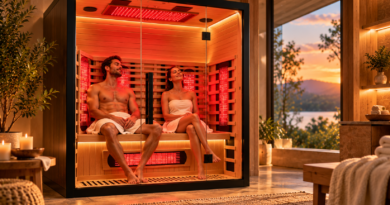
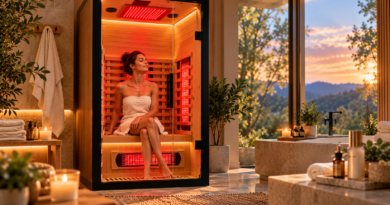
If you lie awake at night with a racing mind, a compact infrared sauna might be the missing piece in your wind-down routine. Many users report deeper, more restorative sleep after a short evening session, and emerging research points to heat-induced relaxation and melatonin regulation as key mechanisms. This guide explores how a 1-person infrared sauna can fit into your nightly ritual—without taking over your bedroom.
Why Sleep Matters More Than You Think
Sleep is the foundation of physical and mental health. During deep sleep, the body repairs tissues, consolidates memories, and regulates hormones that control appetite, mood, and stress. Yet the CDC reports that one in three American adults does not get the recommended seven hours per night. Chronic sleep deprivation is linked to a weakened immune system, weight gain, and increased risk of heart disease and diabetes—but it also affects daily performance, from focus at work to patience with family.
For many, the problem is not lack of time but the inability to transition from a high-alert state to a restful one. Stress keeps the sympathetic nervous system activated, leaving you tired but wired. This is where heat therapy can help. By gently raising core body temperature and then allowing it to drop, an evening sauna session signals to your brain that it is time to sleep.
How Heat Affects the Sleep-Wake Cycle
Your body follows a circadian rhythm that naturally lowers core temperature in the evening to initiate sleep. When you sit in a sauna, your core temperature rises by one to three degrees Fahrenheit. Once you step out, your body rapidly cools, and this drop mimics the natural pre-sleep temperature decline. The result is a powerful signal to the pineal gland to release melatonin, the hormone that regulates sleep.
Infrared saunas are particularly effective for this because they heat the body directly without making the air uncomfortably hot. This allows for a longer, more comfortable session at lower temperatures—typically between 110°F and 135°F—compared to traditional saunas that can exceed 180°F. The gentler heat makes it easier to use in the evening without overheating or feeling drained.
How Infrared Saunas Promote Better Sleep
Beyond the temperature drop, infrared saunas influence sleep through several physiological pathways. Understanding these mechanisms can help you use your sauna more effectively for rest.
1. Activation of the Parasympathetic Nervous System
Heat exposure triggers a shift from the sympathetic (fight-or-flight) to the parasympathetic (rest-and-digest) nervous system. This downregulation reduces heart rate, lowers blood pressure, and relaxes muscles. Many users describe a profound sense of calm after just 15 minutes, which can carry over into bedtime. The YardSauna Forest 1-Person Infrared Sauna is designed to support this shift with its full-spectrum heating and low-EMF carbon panels, which provide deep, even warmth without overstimulation.
2. Reduction in Cortisol Levels
Cortisol, the primary stress hormone, naturally declines in the evening. However, chronic stress can keep cortisol elevated, disrupting sleep. Some studies suggest that regular sauna use may help lower baseline cortisol levels over time, making it easier to unwind. A 2019 survey of infrared sauna users found that 83.5% reported improved sleep, with many attributing it to reduced stress and mental relaxation.
3. Muscle Relaxation and Pain Relief
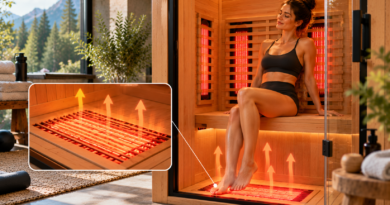
Physical tension—whether from a desk job, a workout, or an old injury—can prevent you from getting comfortable in bed. Infrared heat penetrates deep into muscle tissue, increasing blood flow and reducing inflammation. This can ease soreness and stiffness, allowing your body to fully relax. The YardSauna Forest includes a tourmaline-enriched floor foot heater, which warms the feet—a common cold spot that can delay sleep onset.
4. Melatonin Regulation Through Light Therapy
Some infrared saunas, including the YardSauna Forest, feature overhead red light and near-infrared (NIR) therapy panels. While red light does not directly increase melatonin, it may support mitochondrial function and reduce oxidative stress, which can indirectly improve sleep quality. Additionally, the dim, warm lighting inside the sauna can help signal to your brain that evening has arrived, reinforcing your natural circadian rhythm.
How to Use an Infrared Sauna for Sleep: A Step-by-Step Guide
To get the most sleep benefit from your sauna, timing and duration matter. Here is a simple routine to follow:
- Set aside 20–30 minutes in the evening. Aim to finish your sauna session 1–2 hours before bedtime. This allows your core temperature to drop and melatonin to rise naturally.
- Preheat the sauna. The YardSauna Forest heats up quickly thanks to its quartz full-spectrum heaters, but give it 10–15 minutes to reach a comfortable temperature (around 120°F is ideal for sleep).
- Hydrate before and after. Drink a glass of water before entering and another after your session to replace fluids lost through sweat.
- Keep the session moderate. Start with 15–20 minutes. Avoid pushing beyond 30 minutes, as overheating can have the opposite effect and leave you restless.
- Cool down gradually. After exiting, sit quietly for 5–10 minutes. Take a lukewarm shower if desired, but avoid cold showers, which can be stimulating.
- Dim the lights and avoid screens. Let the relaxation carry you into your bedtime routine. The sauna’s built-in Bluetooth speakers can play calming music or a sleep meditation during your session.
Common Mistakes to Avoid
Even with the best intentions, some habits can undermine the sleep benefits of your sauna. Avoid these pitfalls:
- Using the sauna too close to bedtime. If you finish less than 30 minutes before lying down, your core temperature may still be elevated, making it harder to fall asleep.
- Overdoing the heat or duration. Excessive heat can stress the body and raise cortisol. Stick to 15–20 minutes at moderate temperatures, especially in the evening.
- Neglecting hydration. Dehydration can cause headaches and restlessness at night. Drink water before and after your session.
- Using the sauna as a substitute for sleep hygiene. A sauna cannot fix a poor sleep environment. Keep your bedroom cool, dark, and quiet, and maintain a consistent sleep schedule.
- Expecting immediate results. Like any wellness practice, consistency is key. Most users notice sleep improvements after two to three weeks of regular use.
Pro tip: If you are new to infrared saunas, start with shorter sessions (10–15 minutes) and gradually increase. Listen to your body—gentle heat is more effective for sleep than intense heat.
Why a Compact 1-Person Sauna is Ideal for Bedrooms
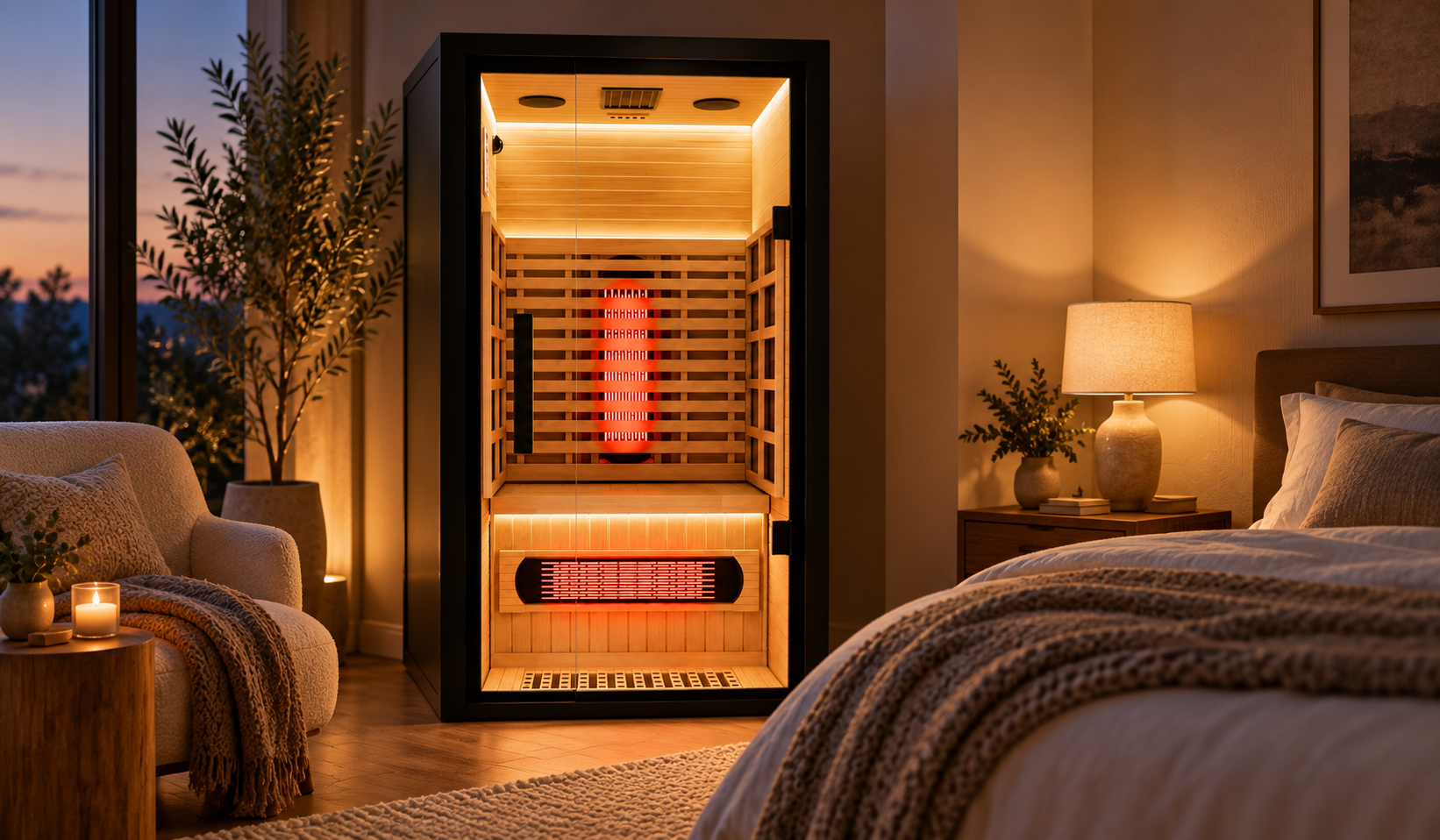
Space is a common concern for homeowners considering a sauna. The YardSauna Forest 1-Person Infrared Sauna has a footprint of just 36 by 36 inches, making it suitable for a master bedroom, home office, or even a large walk-in closet. Its compact size means you can step out of the sauna and directly into your bedtime routine, maximizing the temperature-drop effect.
Unlike larger multi-person saunas, a 1-person unit heats up faster and uses less energy, which is practical for nightly use. The YardSauna Forest runs on a standard 120V / 15A outlet, so no special wiring is required. Assembly is straightforward with tongue-and-groove modular panels—two adults can set it up in under an hour.
The sauna’s non-toxic Canadian Hemlock construction and ultra-low EMF carbon panels address common health concerns. Many users prefer low-EMF options for daily use, especially in a sleeping area. The YardSauna Forest is certified to UL/ETL/CE/ISO 9001 standards, providing peace of mind.
Buyer Considerations: What to Look for in a Sleep-Focused Sauna
If you are shopping for an infrared sauna specifically to improve sleep, keep these factors in mind:
- Heating technology: Full-spectrum saunas (near, mid, and far infrared) offer deeper tissue penetration and faster warm-up. The YardSauna Forest combines quartz full-spectrum heaters with ultra-low EMF carbon panels for even heat distribution.
- Temperature control: Look for a digital controller that allows precise temperature settings. Lower temperatures (110–125°F) are often better for evening relaxation.
- Light therapy options: Red light and NIR panels may provide additional benefits for skin and cellular health, though their direct effect on sleep is still being studied.
- Foot warmth: Cold feet can delay sleep. A floor heater, like the tourmaline-enriched panel in the YardSauna Forest, can be a valuable feature.
- Noise level: A quiet sauna is essential for relaxation. The YardSauna Forest’s multi-speed ventilation and Bluetooth speakers allow you to create a calming atmosphere without disruptive hums.
- EMF levels: If you are sensitive to electromagnetic fields, choose a sauna with ultra-low EMF certification. The YardSauna Forest’s carbon panels are designed to emit minimal EMF.
Practical Tips and Checklist for Better Sleep with Your Sauna
Incorporate these habits to maximize the sleep benefits of your infrared sauna:
- Use the sauna at the same time each evening to reinforce your circadian rhythm.
- Keep the sauna temperature between 115°F and 125°F for sleep-focused sessions.
- Play soft music or a guided meditation through the sauna’s Bluetooth speakers.
- After your session, engage in a quiet activity like reading or gentle stretching.
- Keep a sleep journal to track how your sauna use affects your sleep quality over time.
- Ensure your bedroom is cool (60–67°F) and dark to support the temperature drop.
- Limit caffeine and alcohol, especially on days you use the sauna, as they can interfere with sleep.
Video Walkthrough: Evening Sauna Routine for Better Sleep
In this video, a sauna expert explains why using an infrared sauna before bedtime can help calm an overactive mind. He describes how the heat downregulates the nervous system, shifting you from a stressed state to a relaxed one. The presenter also offers a practical tip: keep sessions to 15–20 minutes to avoid overdoing it, as research suggests excessive heat before bed can be counterproductive.
The video is a helpful visual guide for anyone new to evening sauna use, showing how to integrate the practice into a nightly wind-down routine.
Should You Use an Infrared Sauna Before Bed – Here's What You Need to Know
Closing Summary: A Gentle Path to Better Sleep
An infrared sauna is not a cure-all, but it can be a valuable tool in your sleep toolkit. By promoting relaxation, reducing muscle tension, and supporting your body’s natural temperature rhythm, a short evening session may help you fall asleep faster and wake up feeling more refreshed. The YardSauna Forest 1-Person Infrared Sauna offers a compact, low-EMF solution with full-spectrum heating and a foot heater, making it a practical choice for bedrooms and small spaces. Remember to start gently, stay consistent, and pair your sauna use with good sleep hygiene for the best results. This article is for informational purposes only.
Frequently Asked Questions
1. How long before bed should I use an infrared sauna?
Most experts recommend finishing your sauna session 1–2 hours before bedtime. This allows your core body temperature to drop, which is a key signal for sleep onset. Using it too close to bedtime may leave you feeling too warm to fall asleep.
2. What is the ideal temperature for a sleep-focused sauna session?
For sleep, a moderate temperature between 115°F and 125°F is usually best. Infrared saunas heat the body directly, so you do not need extreme heat to get the relaxation benefits. Start lower and adjust based on your comfort.
3. Can I use an infrared sauna every night?
Yes, many people use their infrared sauna daily. However, listen to your body and stay hydrated. If you feel overly fatigued or lightheaded, reduce frequency or duration. Consistency is more important than intensity.
4. Will an infrared sauna help with insomnia?
Some studies and user surveys suggest that regular infrared sauna use can improve sleep quality, but it is not a medical treatment for insomnia. If you have chronic insomnia, consult a healthcare professional. A sauna can be a helpful complementary practice.
5. Does red light therapy in a sauna help you sleep?
Red light therapy is primarily known for skin and cellular benefits, not direct sleep induction. However, the dim, warm light in a sauna can help signal to your brain that it is evening, supporting your natural circadian rhythm.
6. Is a 1-person sauna big enough for a comfortable session?
Yes, a 1-person sauna like the YardSauna Forest provides enough room to sit comfortably with your legs extended or bent. Its compact size is ideal for small spaces and heats up quickly, making it efficient for nightly use.
7. How does infrared heat differ from traditional sauna heat for sleep?
Infrared saunas operate at lower temperatures (110–135°F) and heat the body directly, whereas traditional saunas heat the air to 180°F or more. The gentler infrared heat is often more tolerable in the evening and less likely to cause overheating.
8. Can I use the sauna if I have high blood pressure?
If you have high blood pressure or any cardiovascular condition, consult your doctor before using a sauna. While some studies suggest sauna use may lower blood pressure over time, individual responses vary, and caution is advised.
9. Does the YardSauna Forest require special electrical wiring?
No, the YardSauna Forest plugs into a standard 120V / 15A dedicated household outlet. No special wiring is needed, making it easy to install in most homes.
10. How long does it take to assemble the YardSauna Forest?
Assembly typically takes 45–60 minutes with two adults. The tongue-and-groove modular panels are designed for straightforward setup, and no special tools are required.
11. Is the YardSauna Forest safe to use in a bedroom?
Yes, the YardSauna Forest is made from non-toxic Canadian Hemlock and features ultra-low EMF carbon panels. It is certified to UL/ETL/CE/ISO 9001 standards, making it suitable for indoor use, including bedrooms.
12. Can I listen to music while using the sauna?
Yes, the YardSauna Forest has built-in Bluetooth acoustic speakers, allowing you to play calming music, podcasts, or guided meditations during your session. This can enhance relaxation and help you wind down before bed.
For more on low-EMF home infrared saunas and the models we offer, visit yardsauna.com.
This article is for informational purposes only and does not constitute medical advice. Always consult a qualified healthcare provider before starting any new wellness routine, especially if you have pre-existing conditions or are pregnant.