Infrared Sauna Blankets at Home: Portable Heat Trend Explained
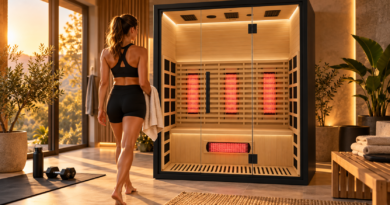
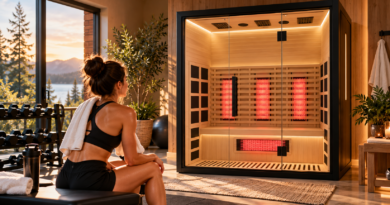
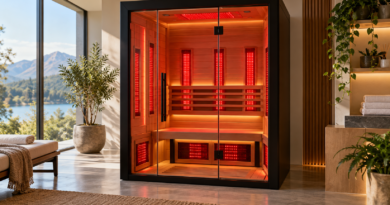
Infrared sauna blankets are suddenly everywhere in home wellness circles, and the reason is simple: they offer a portable, lower-cost entry point to the heat therapy many people associate with full-size infrared saunas. The trend, recently spotlighted in a Kansas City Star feature, reflects a broader shift toward at-home recovery tools that fit into small spaces and busy schedules. For anyone already using a wooden infrared sauna or considering one, understanding what these blankets can and cannot do is essential before wrapping up.
What Is Driving the Portable Heat Trend?
The appeal of infrared sauna blankets is rooted in convenience and accessibility. Traditional infrared saunas require dedicated floor space, electrical work, and a budget that often starts in the low thousands of dollars. Blankets, by contrast, roll up for storage, plug into a standard outlet, and typically cost a few hundred dollars. This lower barrier to entry has made heat therapy feel attainable for renters, apartment dwellers, and anyone not ready to commit to a full cabin.
But the trend is not just about price. Many wellness enthusiasts are drawn to the idea of targeted, full-body warmth without the claustrophobia some people feel in an enclosed sauna room. A blanket wraps around the torso and limbs, leaving the head and face exposed, which can feel more comfortable for longer sessions. Social media has amplified this appeal, with users sharing their at-home routines and before-and-after impressions, though such anecdotal content should be viewed with healthy skepticism.
The Role of Low-EMF Technology
One quiet but important development in the blanket category is the introduction of low-EMF heating elements. Early infrared blankets sometimes produced measurable electromagnetic fields that concerned health-conscious buyers. Newer models, especially those marketed to the same audience that shops for low-EMF infrared saunas, emphasize shielding and lower field emissions. While no blanket can match the even heat distribution of a well-built sauna with carbon or ceramic panels, the gap has narrowed enough to make blankets a legitimate option for occasional use.
How Infrared Sauna Blankets Compare to Full-Size Saunas
For current owners of 1-4 person infrared saunas, the question is not whether to replace their cabin but whether a blanket adds anything to their routine. The honest answer: it depends on your goals and your space. A full-size sauna delivers more consistent infrared exposure across the entire body, often at higher temperatures, and allows for seated or reclined postures that promote relaxation. A blanket, by design, heats the body through direct contact and trapped warmth, which some research suggests may produce a different physiological response than ambient infrared heat.
Here is a practical comparison based on how the two formats are typically used:
- Heat coverage: full-size saunas surround the body; blankets focus heat on the core and limbs while leaving the head cool.
- Temperature range: most blankets top out around 160°F, while infrared saunas often operate between 120°F and 150°F with more even distribution.
- Session length: blanket users often stay wrapped for 30-45 minutes; sauna sessions typically run 20-40 minutes due to higher ambient heat.
- Portability: blankets fold into a carrying case; saunas are permanent fixtures.
- Cost per use: blankets have lower upfront cost but may need replacement sooner; a well-maintained sauna can last decades.
Research on infrared heat therapy remains promising but preliminary. Some studies suggest that regular exposure to infrared warmth may support relaxation, temporary relief of muscle soreness, and improved feelings of well-being, but these findings are not proof of medical benefit.
What the Kansas City Star Coverage Highlights
The recent feature in the Kansas City Star frames infrared sauna blankets as part of a larger self-care movement that gained momentum during the pandemic and has not slowed down. The article notes that more people are seeking spa-like experiences at home, and blankets offer a way to recreate a sauna session without leaving the living room. Importantly, the coverage does not claim that blankets are superior to traditional saunas; it simply documents a shift in consumer behavior toward portable, affordable heat therapy.
For readers of yardsauna.net, this news matters because it signals where the broader wellness market is heading. Even if you already own a full-size infrared sauna, the popularity of blankets may influence how manufacturers design future products, how retailers market heat therapy, and how the public understands infrared technology. It also raises a practical question: should a blanket be part of a home recovery toolkit, or is it a passing fad?
Practical Considerations for Home Users
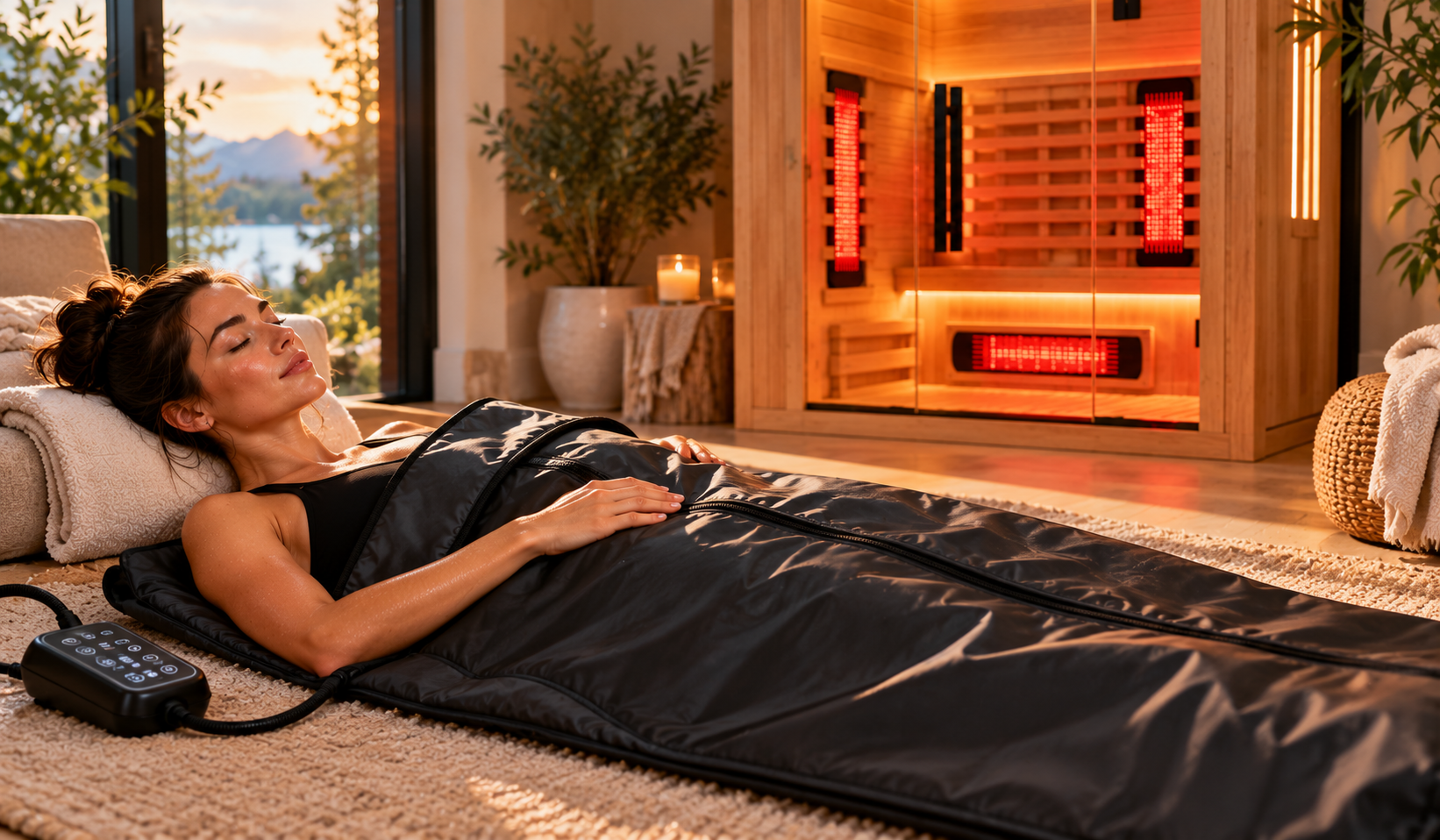
If you are curious about trying an infrared sauna blanket, approach it the way you would any wellness purchase. Start with clear expectations. A blanket will not replicate the experience of sitting in a cedar-lined cabin with full-spectrum heat, but it can provide a convenient way to warm up before stretching, unwind after a workout, or simply relax on a cold evening. Many users report that the gentle, cocoon-like warmth helps them feel calm, though individual responses vary widely.
Here is a simple routine that many blanket users follow:
- Set up the blanket on a heat-safe surface, such as a yoga mat or towel on the floor.
- Pre-heat the blanket to your desired temperature while you change into light, breathable clothing.
- Wrap yourself snugly but not tightly, leaving your arms inside or outside depending on comfort.
- Set a timer for 30-40 minutes and keep water nearby.
- After the session, unwrap slowly, stand up gradually, and drink a full glass of water.
- Wipe down the blanket interior with a damp cloth and allow it to air dry before storing.
Safety and Common Sense
Safety should always come first with any heat-based device. Never use an infrared blanket while sleeping, and avoid it if you are pregnant, have a medical condition affected by heat, or are taking medications that impair temperature regulation. Keep the blanket away from water, and do not fold it while it is still hot. If you feel dizzy, nauseous, or overheated, end the session immediately. These precautions are similar to those for traditional sauna use, but the direct skin contact of a blanket makes them especially important.
What Happens Next in the Portable Heat Space
Expect to see continued innovation in the infrared blanket category over the next few years. Manufacturers are likely to focus on lower EMF emissions, more precise temperature controls, and materials that are easier to clean. Some brands may introduce hybrid products that combine blanket-style heat with red light therapy or vibration, though such additions should be evaluated on their own merits rather than marketing claims. For the home sauna industry, the rise of blankets may push full-size sauna makers to emphasize the unique benefits of cabin-style heat: even distribution, higher temperatures, and the social or meditative experience of sitting upright in a dedicated space.
One thing to watch is whether independent testing organizations begin to publish standardized measurements for infrared blanket emissions and temperature accuracy. Currently, consumers rely heavily on manufacturer specifications and user reviews, which can be inconsistent. Greater transparency would help buyers make informed choices and could separate quality products from gimmicks.
Why This Trend Matters for Your Wellness Routine
The portable heat trend is not a threat to the home sauna market; it is an expansion of it. More people experimenting with infrared blankets may eventually invest in a full-size sauna once they experience the benefits of regular heat therapy. Conversely, sauna owners may find a blanket useful for travel or for targeting specific areas when a full session is not practical. The key is to understand that both tools share the same underlying principle—infrared warmth—but deliver it in different ways. Neither is inherently better; the right choice depends on your space, budget, and how you like to relax.
As with any wellness trend, the best approach is to stay informed, start slowly, and listen to your body. The growing popularity of infrared sauna blankets is a reminder that heat therapy is becoming a mainstream part of American home life, and that is good news for anyone who values recovery, relaxation, and a little daily warmth. This article is for informational purposes only and does not constitute medical advice.
Frequently Asked Questions
1. What does this news mean for home sauna users?
It means that portable heat therapy is becoming more mainstream, which may lead to better products and more research. If you already own a full-size infrared sauna, you do not need to switch, but you might consider a blanket for travel or quick sessions. The trend also signals that more people are prioritizing at-home recovery, which could expand the community of heat therapy enthusiasts.
2. Will this change how I use my infrared sauna?
Probably not, unless you find that a blanket offers a convenient complement to your sauna routine. Some users alternate between the two: sauna for deep, full-body sessions and blanket for targeted warmth on busy days. The core principles of hydration, session length, and listening to your body remain the same.
3. Are infrared sauna blankets safe for daily use?
Many users incorporate them into a daily or near-daily routine without issues, but safety depends on individual health status and proper use. Never use a blanket while sleeping, and stop if you feel overheated or unwell. If you have a medical condition or are pregnant, consult a healthcare professional before starting any heat therapy routine.
4. How do infrared blankets compare to traditional saunas in terms of heat?
Blankets typically reach lower maximum temperatures than full-size saunas and heat the body through direct contact rather than ambient air. This can feel more intense on the skin even at lower settings. A full-size infrared sauna provides more even, all-around warmth and allows for a seated or reclined posture that many people find more relaxing.
5. What should I look for when buying an infrared sauna blanket?
Look for a model with adjustable temperature settings, a timer, and low-EMF certification if that matters to you. Check the materials for durability and ease of cleaning, and read reviews from verified buyers. Avoid blankets with vague specifications or no safety certifications, and be wary of exaggerated health claims.
6. Can I use an infrared blanket if I already have a sauna at home?
Yes, many sauna owners use a blanket for travel, for warming up before a workout, or for a quick evening session when they do not want to heat an entire cabin. It is not an either-or choice; the two tools can coexist in a well-rounded recovery routine.
7. How long should a typical infrared blanket session last?
Most users start with 20-30 minutes and gradually work up to 45 minutes if comfortable. Longer is not necessarily better, and overheating is a real risk. Always stay hydrated and end the session if you feel dizzy, nauseous, or excessively hot.
8. Is there any scientific evidence that infrared blankets work?
Research on infrared heat therapy in general suggests potential benefits for relaxation, temporary muscle soreness relief, and subjective well-being, but studies on blankets specifically are limited. The evidence is considered preliminary, not proof of medical benefit. Treat any strong health claims with skepticism.
9. How much do infrared sauna blankets cost?
Prices typically range from $150 to $600, depending on features like temperature range, materials, and EMF shielding. That is significantly less than a full-size infrared sauna, which is part of the appeal. However, cheaper blankets may have shorter lifespans or less consistent heating, so factor durability into the cost.
10. What is the biggest mistake people make with infrared blankets?
The most common mistake is using a blanket at too high a temperature for too long, especially during the first few sessions. Some users also skip hydration or use the blanket on an unsafe surface. Start low, go slow, and treat the blanket with the same respect you would give a traditional sauna.
For more on low-EMF home infrared saunas and the models we offer, visit yardsauna.com.
This article is for informational purposes only and does not constitute medical advice. Always consult a qualified healthcare provider before starting any new wellness routine, especially if you have pre-existing conditions or are pregnant.