Cold Therapy for Circadian Rhythms & Sleep Architecture: Harnessing Core Temperature Drops
While cold therapy is frequently praised for post-workout recovery and adrenaline-fueled morning focus, its profound impact on sleep architecture and circadian rhythm alignment remains one of its most underutilized applications.
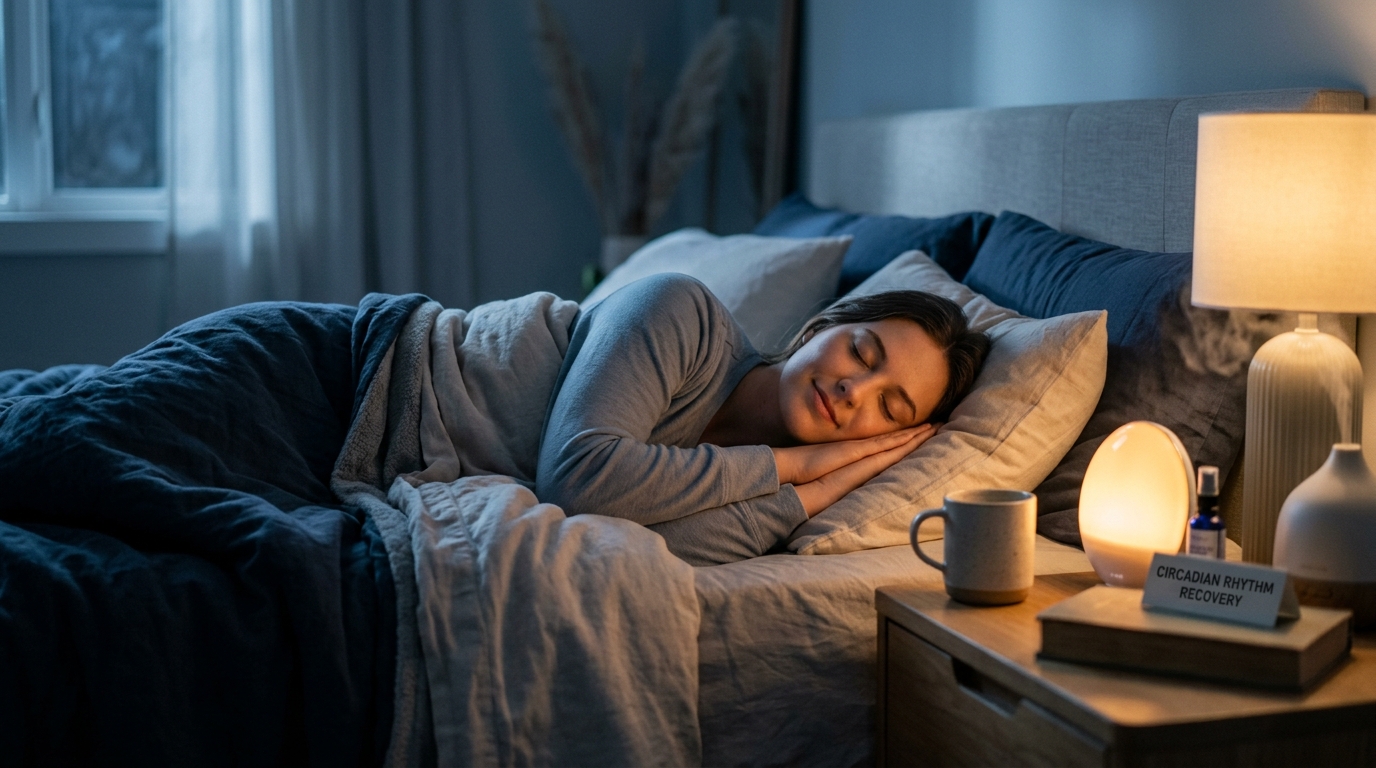
Your brain relies on internal body temperature signaling to regulate the sleep-wake cycle. By strategically timing cold exposure, you can leverage your body’s natural thermal dynamics to deepen slow-wave sleep and fall asleep faster.
The Science: Core Temperature and Sleep Onset
Your body’s master circadian clock (the suprachiasmatic nucleus) relies on a mandatory drop in core body temperature to initiate sleep:
- The Thermal Trigger for Melatonin: To fall asleep, your core body temperature must drop by approximately 2°F (1°C). This drop signals to your pineal gland to ramp up melatonin production.
- Peripheral Vasodilation: Cold therapy applied to hands, feet, or face accelerates heat dump—releasing excess internal heat to the surroundings through specialized blood vessels called arteriovenous anastomoses (AVAs).
- Deep Sleep Phase Lengthening: Lowering evening thermal load prevents nighttime awakenings and extends time spent in Stage 3 non-REM (deep) sleep, where somatic cellular repair occurs.
Morning vs. Evening Cold Protocols for Sleep Optimization
Timing dictates whether cold therapy enhances daytime alertness or nocturnal sleep depth.
| Protocol Parameter | Morning Cold Exposure (Alertness Reset) | Evening Cold Exposure (Sleep Prep) |
| Primary Goal | Set circadian clock, spike cortisol early | Drop core temp, accelerate sleep latency |
| Water Temperature | 45°F – 55°F (7°C – 13°C) | 60°F – 68°F (15°C – 20°C) |
| Exposure Duration | 2 to 3 minutes | 3 to 5 minutes |
| Post-Exposure Action | Air dry or shiver (Søberg Effect) | Warm towel wrap, avoid shiver response |
| Timing Window | Within 60 minutes of waking | 2 to 3 hours before bed |
3 Rules to Avoid Disrupting Sleep with Cold Therapy
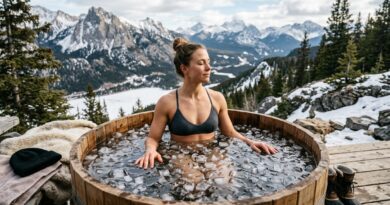
- Avoid Ice Baths Right Before Bed: Intense cold shock (below 50°F / 10°C) within 90 minutes of sleep causes a severe release of adrenaline and cortisol, keeping your heart rate elevated and delaying sleep onset.
- Use Mild-to-Cool Temperatures in the Evening: Evening cold exposure should feel soothing rather than stressful. Aim for cool showers or moderate plunges that encourage heat dissipation without triggering a panic response.
- Keep Hands and Feet Warm Post-Session: After your evening session, wear warm socks or gloves. Keeping extremities warm opens peripheral blood vessels, allowing internal heat to vent quickly so core temperature stays low throughout the night.