Infrared Sauna Safety: Electrical, Fire, and EMF Risks Explained
Infrared saunas promise deep relaxation, better circulation, and a host of other wellness benefits, but before you plug one in, you need to understand the real safety picture. From dedicated circuits to EMF shielding, a little planning goes a long way toward a safe and enjoyable home sauna experience.
Understanding Infrared Sauna Safety
Infrared saunas use radiant heat panels to warm your body directly, typically operating at lower ambient temperatures than traditional steam saunas. This design reduces some risks, but it introduces others, particularly around electrical load and electromagnetic field (EMF) exposure. Homeowners often assume that because a unit plugs into a standard outlet, it is inherently safe. That assumption can be dangerous. A typical 2-person infrared sauna draws between 1,500 and 1,800 watts, which is near the maximum continuous load for a 15-amp circuit. Without proper wiring, you risk tripped breakers, overheated outlets, or worse.
How Infrared Heat Works
Infrared panels emit electromagnetic radiation in the infrared spectrum, which your skin absorbs as heat. Unlike a conventional heater that warms the air, infrared energy penetrates a few millimeters into your skin, raising your core temperature more efficiently. This mechanism is why infrared saunas can feel effective at lower room temperatures, but it also means the heating elements and their controls are under constant electrical stress. The panels themselves are usually carbon-fiber or ceramic, and they are designed to operate safely within a specific temperature range. When installed incorrectly or used with damaged wiring, that range can be exceeded.
A Brief History of Home Sauna Safety
Traditional Finnish saunas have been used for centuries, and their safety record is well documented. Infrared saunas are a much newer technology, gaining popularity in North America only in the last few decades. Early models had inconsistent manufacturing standards, leading to scattered reports of overheating and electrical faults. Today, reputable manufacturers build to UL or ETL standards, but the burden of safe installation still falls on the homeowner. Local building codes have not always kept pace with the rapid adoption of home infrared units, so what is acceptable in one jurisdiction may be flagged in another.
Electrical Safety: The Foundation of a Safe Sauna
Most infrared saunas sold for home use are designed to plug into a standard 120-volt outlet. However, that does not mean any outlet will do. The circuit must be dedicated, meaning nothing else is drawing power from it while the sauna is running. A refrigerator, space heater, or even a large fan on the same circuit can push the total load past the breaker’s limit. Over time, repeated overloads can damage the outlet and the wiring inside your walls.
Dedicated Circuits and Amperage
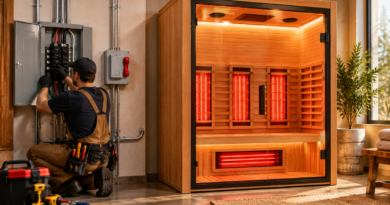
Check the sauna’s nameplate for its exact amperage draw. A 15-amp circuit should not be loaded beyond 80% of its rating for continuous use, which means a 12-amp sauna is the practical maximum. Many 2-person models draw 13 to 15 amps, requiring a 20-amp circuit. If your home has older wiring or aluminum conductors, even a 20-amp circuit may not be safe without an inspection. Always have a licensed electrician verify the circuit, the outlet, and the breaker before you plug in a sauna. This is not a DIY project.
GFCI Protection and Placement
Ground-fault circuit interrupter (GFCI) protection is required in many areas for any outlet in a damp location, including basements and garages where saunas are often installed. A GFCI outlet monitors the flow of current and shuts off power within milliseconds if it detects a leak to ground. This can prevent a serious shock if moisture gets into the sauna’s electrical components. However, some sauna manufacturers advise against GFCI protection because the heaters can cause nuisance tripping. The correct answer depends on your local electrical code and the sauna’s design. Your electrician can advise you, but never disable a GFCI to stop it from tripping.
Extension Cords and Power Strips
Never use an extension cord or power strip with an infrared sauna. The high continuous current can overheat the cord, melt the insulation, and start a fire. The sauna’s power cord must reach a properly rated wall outlet directly. If the cord is too short, have an electrician install a new outlet closer to the sauna’s final location. This is a common mistake that leads to real house fires every year.
Fire Safety: Preventing Overheating and Ignition
Infrared saunas are not inherently fire-prone, but they do contain heating elements that can reach several hundred degrees Fahrenheit. The risk comes from improper clearances, flammable materials, and lack of maintenance. A sauna placed too close to a wall, a curtain, or stored boxes can trap heat and create an ignition source. The sauna’s own wooden cabin is designed to withstand the heat, but the area around it is not.
Clearances and Ventilation
Follow the manufacturer’s minimum clearance requirements, usually 6 to 12 inches on all sides and above. Do not place anything on top of the sauna. The room itself needs adequate ventilation to prevent heat buildup, especially in a small closet or corner. A dedicated exhaust fan or an open window can help, but avoid placing the sauna where airflow is blocked. Also, keep the sauna away from water sources like sinks or showers unless it is specifically rated for that environment.
Maintenance and Inspection
Inspect the sauna’s heating panels, wiring, and control panel every few months. Look for discoloration, cracks, or loose connections. Dust and debris can accumulate on the panels and become a fire hazard when heated. Vacuum the interior regularly and wipe down the panels with a dry cloth. If you notice a burning smell, a flickering display, or a panel that is hotter than usual, unplug the sauna immediately and have it serviced by a qualified technician.
Infrared saunas are generally safe when installed and used correctly, but no electrical appliance is risk-free. The most common dangers are overloaded circuits, improper clearances, and neglected maintenance.
EMF Exposure: What the Research Shows
Electromagnetic fields are a concern for many sauna buyers because the heating panels themselves emit EMF. The level of exposure depends on the panel design, the wiring layout, and your distance from the source. Low-EMF saunas are marketed as safer, but the scientific consensus is still evolving. What is clear is that EMF strength drops off rapidly with distance, so sitting a few inches farther from the panels can reduce your exposure significantly.
Understanding EMF Measurements
EMF is measured in milligauss (mG). Typical household background levels are below 1 mG, while some infrared saunas can produce 10 to 20 mG near the panels. For comparison, a hair dryer can produce 100 mG or more at close range. The International Commission on Non-Ionizing Radiation Protection (ICNIRP) sets a general public exposure limit of 2,000 mG for low-frequency fields, so even the highest sauna readings are far below that guideline. However, some people prefer to minimize exposure as a precaution, especially for daily use.
Choosing a Low-EMF Sauna
If EMF is a priority, look for a sauna that explicitly states its EMF levels and provides test data. Reputable manufacturers will measure EMF at the seating position, not at the panel surface. Ask for a copy of the test report. You can also reduce exposure by sitting farther from the panels, using the sauna for shorter sessions, and turning off the sauna when not in use. No sauna can eliminate EMF entirely, but careful placement and usage can keep levels very low.
Thermal Safety: Protecting Your Body
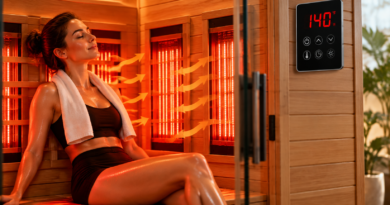
Infrared saunas operate at lower temperatures than traditional saunas, typically 120 to 150 degrees Fahrenheit, but they still cause significant sweating and cardiovascular stress. The biggest thermal risks are dehydration, overheating, and fainting. People with heart conditions, high blood pressure, or pregnancy should consult a doctor before using any sauna. Even healthy users should follow basic hydration and time limits.
Session Length and Hydration
Start with 10 to 15 minutes per session and gradually increase to a maximum of 30 minutes. Drink water before, during, and after your session. Avoid alcohol and heavy meals before sauna use. If you feel dizzy, nauseous, or lightheaded, exit the sauna immediately and cool down. Never use a sauna alone if you have a medical condition that could cause sudden incapacitation.
Supervision and Children
Children can use infrared saunas, but only under close adult supervision and for shorter periods. Their bodies heat up faster than adults, and they may not recognize the signs of overheating. Set a timer and stay in the room. Do not allow children to operate the sauna controls. For elderly users or anyone with mobility issues, install a grab bar and a non-slip floor mat inside the sauna.
Practical Safety Checklist
- Hire a licensed electrician to install a dedicated circuit and verify the outlet and breaker rating.
- Place the sauna on a level, non-flammable surface with at least 6 inches of clearance on all sides.
- Never use an extension cord, power strip, or adapter with the sauna.
- Test the GFCI outlet monthly and replace the sauna’s power cord if it shows any wear.
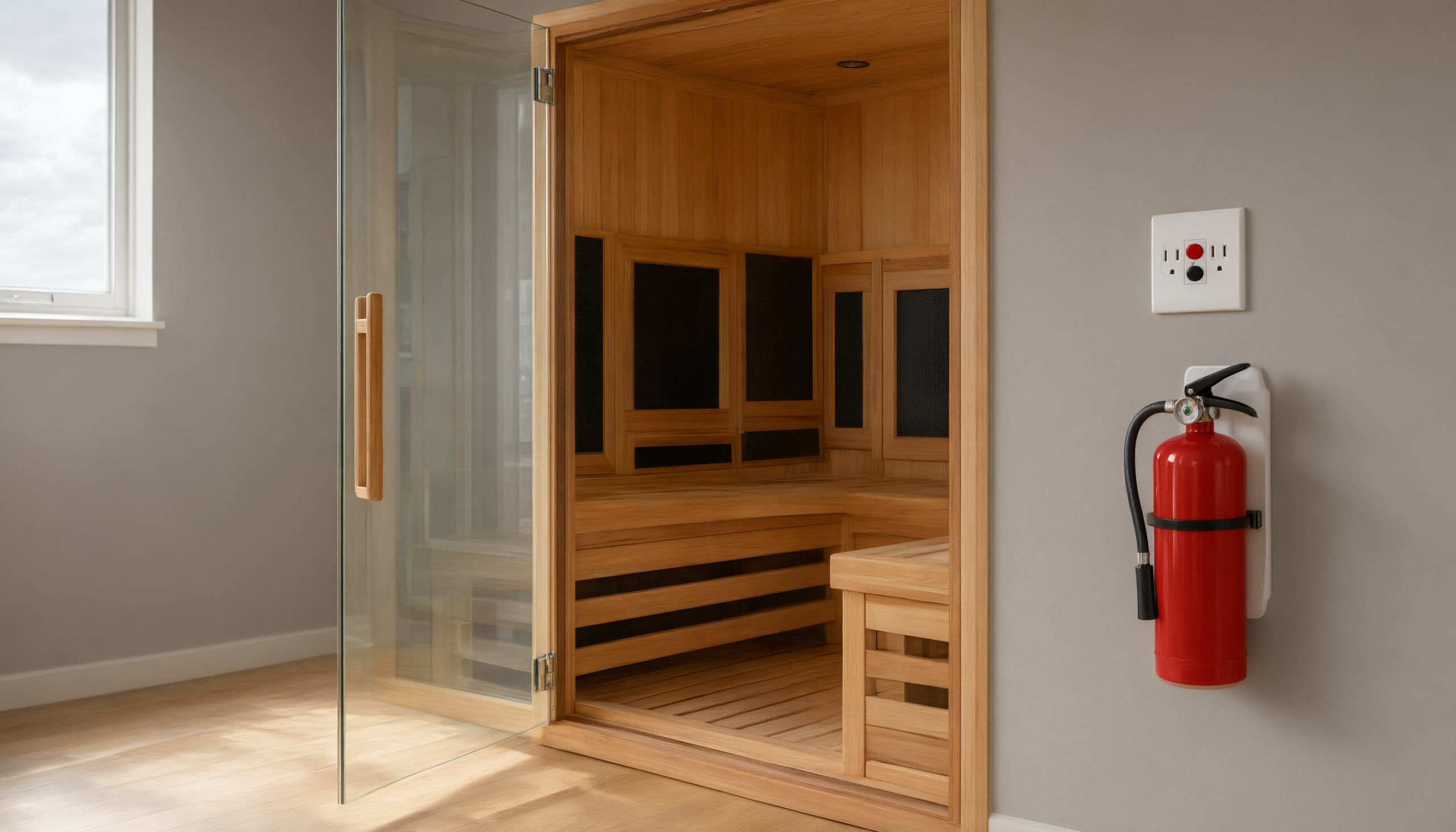
- Keep a fire extinguisher rated for electrical fires within reach of the sauna room.
Installation and Code Compliance
Before you buy an infrared sauna, check your local building and electrical codes. Some municipalities require a permit for any appliance that draws more than 1,500 watts. Others have specific rules about sauna placement in relation to water sources or egress windows. Your electrician can help you navigate these requirements, but the homeowner is ultimately responsible for compliance. Never assume that a product sold online is automatically approved for use in your area.
Working with a Professional
A licensed electrician can assess your panel capacity, run a new circuit if needed, and install the correct outlet. A general contractor can advise on structural support if you are placing the sauna on an upper floor. The cost of professional installation is small compared to the risk of an electrical fire or a failed inspection. This article is for informational purposes only and does not constitute safety or electrical advice.
Video walkthrough: infrared sauna health benefits explained
In this on-camera discussion, two physicians break down the top health benefits of regular sauna use. They explain how heat exposure improves circulation through vasodilation, relaxes muscles, and reduces stress by releasing endorphins. One doctor shares his personal routine of using a home sauna regularly, noting that the measurable benefits convinced him to increase his sessions. The video emphasizes that sauna bathing is not just uncomfortable sweating but has real, research-backed effects on cardiovascular health and recovery. The key takeaway is that consistent, moderate heat exposure can be a valuable part of a wellness routine.
Closing Summary: Everyday Safety for Your Home Sauna
Infrared saunas offer genuine health benefits, but they are electrical appliances that demand respect. By addressing electrical, fire, EMF, and thermal risks before you install, you can enjoy your sauna with confidence. Always follow the manufacturer’s instructions, consult a licensed electrician for any wiring questions, and stay aware of how your body responds to the heat. A safe sauna is one that is properly installed, regularly maintained, and used with common sense.
Frequently Asked Questions
1. Does an infrared sauna need a dedicated circuit?
Yes, most infrared saunas should be on a dedicated circuit to prevent overloading. A 15-amp circuit can handle a sauna drawing up to 12 amps, but many 2-person models require a 20-amp circuit. Always check the sauna’s nameplate and have a licensed electrician verify the circuit.
2. Is an infrared sauna a fire risk?
Infrared saunas are not inherently fire-prone, but improper installation or maintenance can create a hazard. The main risks are using an extension cord, placing the sauna too close to flammable materials, or ignoring damaged wiring. Following the manufacturer’s clearance and maintenance guidelines greatly reduces the risk.
3. What is a safe EMF level for an infrared sauna?
There is no universally agreed safe level, but most saunas produce EMF well below international exposure guidelines. Low-EMF models typically measure under 3 mG at the seating position. You can reduce exposure by sitting farther from the panels and limiting session length.
4. Can I plug my sauna into a regular outlet?
You can plug it into a standard 120-volt outlet only if that outlet is on a dedicated circuit with the correct amperage rating. Never use an extension cord or power strip. If you are unsure, have an electrician inspect the outlet before use.
5. How long should a beginner stay in an infrared sauna?
Start with 10 to 15 minutes per session and see how your body responds. Gradually increase to a maximum of 30 minutes. Drink water before and after, and exit immediately if you feel dizzy or nauseous.
6. Are infrared saunas safe for people with heart conditions?
People with heart conditions, high blood pressure, or other cardiovascular issues should consult a doctor before using an infrared sauna. The heat increases heart rate and can stress the cardiovascular system. Medical clearance is essential.
7. Do I need a GFCI outlet for my sauna?
GFCI protection is required in many damp locations, but some sauna manufacturers advise against it due to nuisance tripping. Check your local electrical code and the sauna’s manual. Never disable a GFCI to stop it from tripping.
8. Can children use an infrared sauna?
Children can use an infrared sauna only under close adult supervision and for shorter sessions, typically 5 to 10 minutes. Their bodies heat up faster, so watch for signs of overheating and keep them hydrated.
9. How often should I inspect my sauna for safety?
Inspect the sauna’s heating panels, wiring, and control panel every three to six months. Look for discoloration, cracks, or loose connections. Vacuum the interior regularly to remove dust that could become a fire hazard.
10. What should I do if my sauna trips the breaker?
If the breaker trips, unplug the sauna and do not use it until the cause is found. The circuit may be overloaded, the outlet may be damaged, or the sauna may have an internal fault. Call a licensed electrician to diagnose the problem.
For more on low-EMF home infrared saunas and the models we offer, visit yardsauna.com.
This article is for informational purposes only and does not constitute safety, electrical, fire, or radiation-safety advice. Always follow the manufacturer instructions, consult a licensed electrician for wiring and installation questions, and check local building and fire codes before installing or modifying a home sauna. Supervise children and vulnerable adults around any heated appliance.