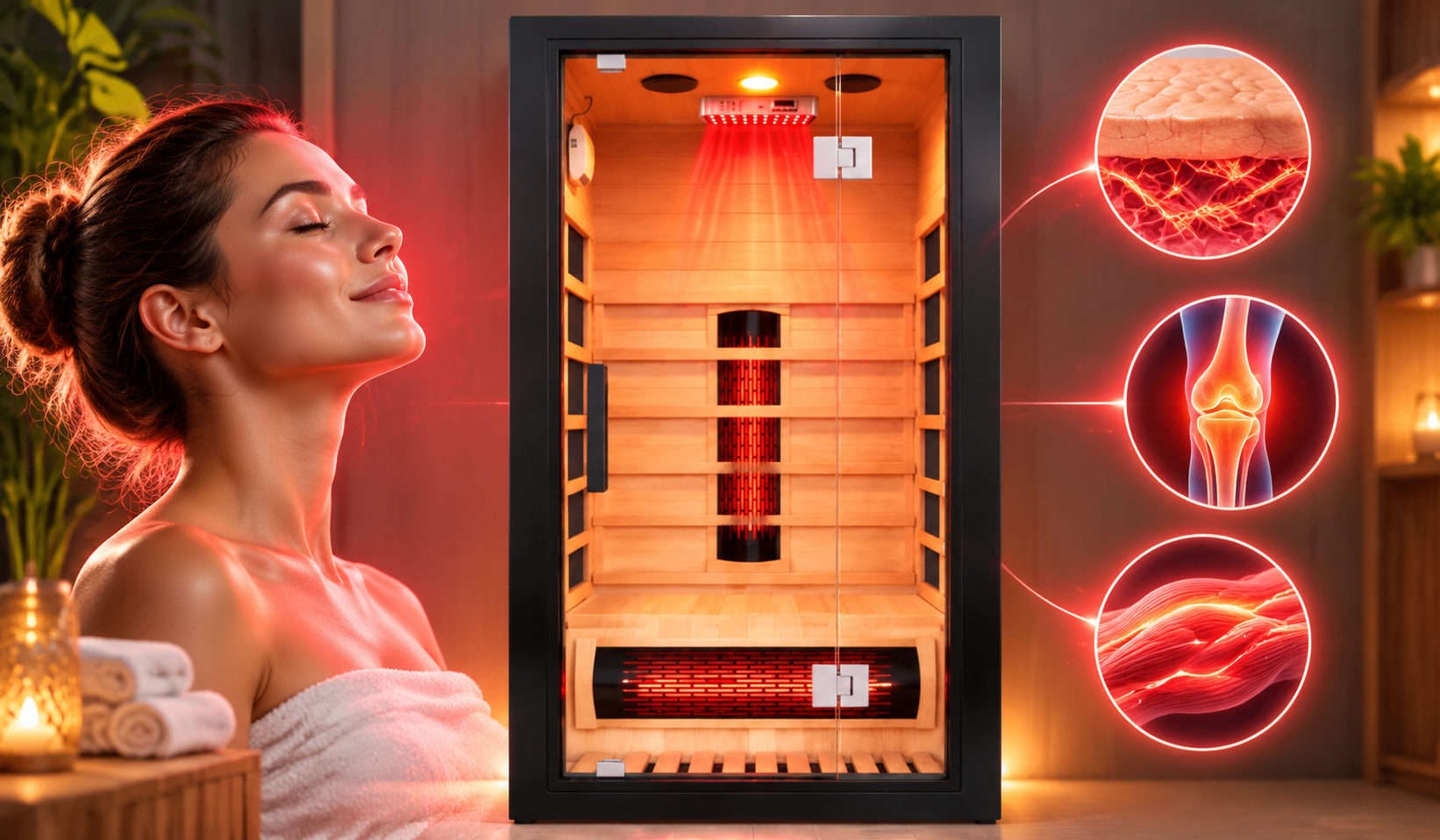
Sauna Red Light Therapy: How Forest 1-Person Infrared Sauna Supports Skin and Recovery
Red light therapy is no longer confined to high-end clinics or wellness centers. A new wave of home infrared saunas now integrates medical-grade red and near-infrared (NIR) panels directly overhead, making it possible to combine deep heat therapy with targeted photobiomodulation in a single session. For homeowners weighing the benefits of a compact, low-EMF sauna, the addition of overhead red light therapy can be a meaningful differentiator — especially if skin health, inflammation management, and cellular recovery are priorities.
Understanding Red Light and Near-Infrared Therapy
Red light therapy, also known as photobiomodulation or low-level light therapy, uses specific wavelengths of visible red light and invisible near-infrared light to influence cellular function. Unlike the high-energy ultraviolet light that damages skin, red and NIR wavelengths are gentle and non-ionizing. They penetrate the skin and underlying tissues to a depth that depends on the wavelength, with red light reaching the epidermis and upper dermis, while near-infrared light travels deeper into muscle and even bone.
The most commonly used wavelengths for red light therapy fall between 610 and 650 nanometers, while near-infrared devices typically emit in the 810 to 880 nanometer range. These wavelengths are absorbed by chromophores inside cells, particularly cytochrome c oxidase in mitochondria. This absorption helps the mitochondria produce more adenosine triphosphate (ATP), the energy currency of the cell. More ATP means cells can perform their repair and regeneration functions more efficiently.
When red and NIR light are used together, the benefits are complementary. Red light works well for surface-level concerns like skin tone, fine lines, and wound healing, while NIR penetrates deeper to address muscle soreness, joint discomfort, and systemic inflammation. Many clinical protocols cycle between the two wavelengths to maximize coverage across different tissue depths.
The Science of Photobiomodulation
Photobiomodulation works through a cascade of cellular events. When photons of red or NIR light hit a cell, they are absorbed by cytochrome c oxidase, a key enzyme in the mitochondrial electron transport chain. This absorption displaces nitric oxide, which can otherwise inhibit oxygen binding. The result is increased oxygen consumption and ATP production. In parallel, the light triggers the release of reactive oxygen species at low, beneficial levels, which act as signaling molecules to activate transcription factors like NF-kB and AP-1. These factors regulate genes involved in inflammation, cell survival, and tissue repair.
The anti-inflammatory effect is particularly notable. Red and NIR light have been shown to reduce pro-inflammatory cytokines such as TNF-alpha and IL-6 while increasing anti-inflammatory cytokines like IL-10. This shift helps calm chronic, low-grade inflammation that underlies many modern health complaints. For sauna users, this means that adding red light therapy to a heat session may amplify the anti-inflammatory benefits of infrared heat alone.
Red Light vs. Near-Infrared: What’s the Difference?
Red light is visible, appearing as a deep crimson glow. It is absorbed primarily by the skin’s surface layers, making it ideal for cosmetic benefits such as improved skin texture, reduced redness, and enhanced collagen production. Near-infrared light is invisible and penetrates much deeper, reaching muscles, joints, and even the brain in some applications. NIR is often used for pain relief, muscle recovery, and deeper tissue repair.
In a sauna setting, both wavelengths are valuable. The overhead red light panel in the YardSauna Forest 1-Person Infrared Sauna delivers both red and NIR wavelengths simultaneously, allowing the user to receive surface and deep benefits in one session. This dual-wavelength approach mirrors what many clinical devices offer, but in a convenient home format.
How Red Light Therapy Supports Skin Health
Skin is the body’s largest organ and the first point of contact for any light therapy. Red light’s effect on skin is well documented in dermatology research. By stimulating fibroblast activity, red light encourages the production of collagen and elastin, the proteins responsible for skin firmness and elasticity. This can lead to a reduction in the appearance of fine lines and wrinkles over time.
Red light also improves microcirculation in the skin. The dilation of small blood vessels brings more oxygen and nutrients to the surface, giving the skin a healthier, more radiant appearance. For individuals with inflammatory skin conditions, red light’s ability to modulate immune cell activity in the skin can help calm redness and irritation. Many users report that regular red light sessions leave their skin feeling smoother and looking more even-toned.
In the context of a sauna, the heat itself promotes sweating and increased blood flow, which can enhance the delivery of oxygen and nutrients to the skin. Adding red light on top of that may amplify the skin benefits. The YardSauna Forest’s overhead panel is positioned to bathe the face and upper body in therapeutic light while the user sits comfortably in the sauna, making it a practical way to incorporate red light therapy into an existing wellness routine.
Collagen Production and Anti-Aging
Collagen is the structural protein that keeps skin plump and resilient. As we age, collagen production naturally declines, leading to sagging and wrinkles. Red light therapy has been shown to stimulate fibroblasts, the cells that produce collagen, without causing thermal damage. This makes it a non-invasive alternative to more aggressive anti-aging treatments.
Studies using red light at wavelengths around 633 nm have demonstrated increased collagen density and improved skin elasticity after several weeks of regular use. While results vary from person to person, the cumulative effect of consistent red light exposure can be noticeable. For sauna owners, the convenience of having a red light panel built into the sauna means no extra device or time commitment is needed.
Reducing Inflammation and Redness
Chronic inflammation in the skin can manifest as redness, sensitivity, or conditions like rosacea. Red light’s anti-inflammatory properties help calm this response by reducing the activity of inflammatory mediators. In one study, red light therapy significantly reduced erythema (redness) in patients with inflammatory skin conditions after just a few sessions.
The mechanism involves the modulation of immune cells called macrophages, which can switch from a pro-inflammatory state to an anti-inflammatory, tissue-repair state under red light. This shift helps the skin heal and reduces ongoing irritation. When combined with the gentle heat of an infrared sauna, which also promotes relaxation and circulation, the overall effect can be soothing for sensitive skin.
The Role of NIR in Cellular Recovery and Inflammation
Near-infrared light’s deeper penetration makes it a powerful tool for cellular recovery. By reaching muscle tissue and joints, NIR can help reduce exercise-induced muscle soreness and speed up recovery after physical activity. The increased ATP production supports cellular repair processes, while the anti-inflammatory effects help reduce swelling and pain.
For athletes or active individuals, incorporating NIR therapy into a post-workout sauna session may enhance recovery. The heat from the sauna already promotes blood flow and relaxation; adding NIR targets the deeper tissues that heat alone may not reach as effectively. The YardSauna Forest’s full-spectrum heating, which includes quartz elements and carbon panels, provides a broad range of infrared wavelengths, and the overhead NIR panel adds a concentrated dose of near-infrared light to the upper body.
Mitochondrial Function and ATP Production
At the heart of NIR’s benefits is its effect on mitochondria. These cellular powerhouses are particularly abundant in muscle tissue, where energy demand is high. NIR light stimulates cytochrome c oxidase, leading to increased ATP synthesis. This extra energy allows muscle cells to repair micro-tears from exercise more quickly and reduces the accumulation of metabolic byproducts that cause soreness.
Research on NIR therapy for muscle recovery has shown promising results. In one study, athletes who received NIR treatment after intense exercise had lower levels of creatine kinase, a marker of muscle damage, and reported less soreness compared to a control group. While individual responses vary, the biological mechanism is well established.
Systemic Anti-Inflammatory Effects
Inflammation is a necessary part of the healing process, but chronic, low-grade inflammation is linked to many health issues. NIR therapy’s ability to reduce systemic inflammation is one of its most compelling benefits. By modulating immune cell activity and reducing oxidative stress, NIR can help bring the body back into balance.
In a sauna setting, the combination of heat stress and NIR light may have a synergistic effect. Heat itself triggers a mild inflammatory response that the body then resolves, leading to a net anti-inflammatory effect over time. Adding NIR light enhances this process by directly targeting the inflammatory pathways at the cellular level.
How the YardSauna Forest Integrates Red Light and NIR
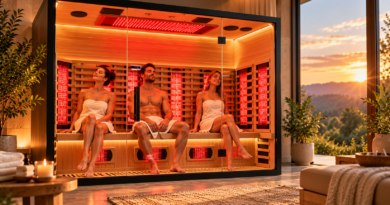
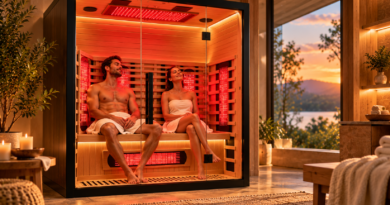
The YardSauna Forest 1-Person Infrared Sauna is designed with a dedicated overhead red light and NIR therapy panel. This panel is positioned above the seated user, delivering therapeutic light to the face, neck, shoulders, and upper back — areas that are often neglected by traditional sauna heaters. The panel is described as medical-grade, indicating that it uses wavelengths and power densities consistent with clinical red light therapy devices.
In addition to the overhead panel, the sauna features full-spectrum infrared heating through rapid-heating quartz elements and ultra-low EMF carbon panels. This combination provides deep, penetrating warmth that complements the light therapy. The sauna’s compact 3×3 foot footprint makes it suitable for bedrooms, home gyms, or basements, and the non-toxic Canadian Hemlock construction ensures a clean, natural environment.
For those who want the benefits of red light therapy without a separate device, the YardSauna Forest offers a convenient all-in-one solution. The user can enjoy a traditional infrared sauna session while simultaneously receiving red and NIR light therapy, maximizing the time spent in the sauna.
Key Specs and Features
- Overhead medical-grade red light and NIR therapy panel for skin and cellular benefits
- Full-spectrum heating: rapid-heating quartz elements + ultra-low EMF carbon panels
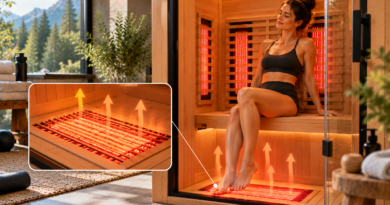
- Tourmaline-enriched floor foot heater for even warmth from feet to core
- Compact 36’W x 36’D x 75’H footprint fits small spaces
- Non-toxic Canadian Hemlock construction, UL/ETL/CE/ISO 9001 certified
- Built-in Bluetooth speakers, digital touch controller, ambient LED lighting, and multi-speed ventilation
The sauna runs on a standard 120V / 15A dedicated household outlet, making installation straightforward for most homes. Assembly is designed for two adults and typically takes 45-60 minutes using tongue-and-groove modular panels.
Why Overhead Placement Matters
The placement of the red light panel overhead is not arbitrary. The face and upper body are common areas of concern for skin aging and muscle tension. Overhead placement ensures that the light hits these areas directly, without obstruction from clothing or body position. In a seated sauna, the user’s face is naturally tilted slightly upward, allowing the light to reach the delicate skin around the eyes and forehead.
Additionally, overhead placement allows the light to penetrate the scalp, which may benefit hair follicle health, though more research is needed in this area. For users who spend most of their sauna session seated, the overhead panel provides consistent, hands-free coverage.
Practical Tips for Using Red Light Therapy in Your Sauna
To get the most out of the red light and NIR therapy in your YardSauna Forest, consider the following tips:
- Start with shorter sessions. Begin with 10-15 minutes of red light exposure per session, 3-4 times per week. Gradually increase to 20-30 minutes as your body adapts.
- Keep the skin clean and free of lotions. Oils and creams can block light penetration. Shower before your sauna session to remove any barriers.
- Position yourself correctly. Sit upright with your face and upper body directly under the overhead panel. Adjust the bench if possible to ensure the light hits the intended areas.
- Combine with heat therapy. Use the sauna’s infrared heaters simultaneously with the red light panel for a synergistic effect. The heat will increase blood flow, enhancing the delivery of oxygen and nutrients.
- Stay hydrated. Red light therapy can increase cellular activity, and sauna heat causes sweating. Drink water before and after your session.
- Be consistent. Like any therapy, red light benefits accumulate over time. Aim for regular sessions rather than sporadic use.
- Protect your eyes if needed. While red light is generally safe for eyes, some users prefer to wear protective goggles. The YardSauna Forest’s panel is designed for overhead use, so direct eye exposure is minimal.
Consistency is key with red light therapy. The cellular changes that lead to visible skin improvements and reduced inflammation happen gradually over weeks and months. A built-in sauna panel makes it easy to stick to a routine because you don’t need to set aside extra time or use a separate device.
Common Mistakes to Avoid
Even with a well-designed sauna like the YardSauna Forest, there are pitfalls that can reduce the effectiveness of red light therapy. Here are the most common mistakes and how to avoid them:
1. Using Too Much Light Too Soon
More is not always better with red light therapy. Overexposure can lead to temporary skin redness or even a paradoxical increase in inflammation. Start with short sessions and gradually increase duration. Pay attention to how your skin responds and adjust accordingly.
2. Wearing Clothing That Blocks the Light
Red and NIR light cannot penetrate thick clothing. For maximum benefit, expose as much skin as possible to the overhead panel. In a private sauna, this is easy to do. If you prefer some coverage, choose thin, light-colored fabrics that allow some light through.
3. Neglecting the Rest of the Sauna Experience
Red light therapy is just one part of the sauna’s benefits. Don’t forget to use the infrared heaters, enjoy the heat, and relax. The combination of heat and light is what makes the YardSauna Forest unique. Skipping the heat portion would mean missing out on the cardiovascular and detoxification benefits.
4. Inconsistent Use
Red light therapy is not a one-time fix. The biological changes require repeated exposure over time. Aim for at least 3 sessions per week to see meaningful results. If you only use the sauna occasionally, you may not notice the skin and recovery benefits.
5. Ignoring Hydration and Nutrition
Cellular repair requires water and nutrients. If you are dehydrated or deficient in key vitamins, your cells cannot fully utilize the energy boost from red light therapy. Drink plenty of water and eat a balanced diet to support the therapy.
6. Expecting Immediate Results
While some users report feeling relaxed and seeing a slight glow after one session, the deeper benefits like collagen production and reduced inflammation take weeks to manifest. Be patient and track your progress over time.
Buyer Considerations: What to Look for in a Red Light Sauna
If you’re in the market for a sauna with red light therapy, here are the key factors to evaluate:
Wavelength and Power Density
Not all red light panels are created equal. Look for a panel that emits both red (around 630-660 nm) and near-infrared (around 810-850 nm) wavelengths. The power density, measured in milliwatts per square centimeter, determines how much light energy reaches your skin. Medical-grade panels typically have higher power densities than consumer-grade devices. The YardSauna Forest’s panel is described as medical-grade, which suggests it meets clinical standards for therapeutic output.
Coverage Area
Consider where the light panel is positioned and how much of your body it covers. Overhead panels are ideal for the face and upper body, but if you want full-body coverage, you may need additional panels. The YardSauna Forest’s overhead panel is designed for seated use, covering the most important areas for skin and muscle recovery.
EMF Levels
Since you’ll be spending time in close proximity to electrical components, low EMF is important. The YardSauna Forest features ultra-low EMF carbon panels, which minimize electromagnetic field exposure. This is a key selling point for health-conscious buyers.
Build Quality and Materials
The sauna’s construction affects both durability and air quality. Non-toxic, sustainably sourced wood like Canadian Hemlock is a good choice because it resists warping and does not off-gas harmful chemicals. The YardSauna Forest uses natural Canadian Hemlock and is certified by UL, ETL, CE, and ISO 9001, indicating adherence to safety and quality standards.
Size and Installation
Make sure the sauna fits your space and electrical setup. The YardSauna Forest’s 3×3 foot footprint is compact enough for most rooms, and it plugs into a standard 120V outlet. Assembly is straightforward with two people and no special tools required.
Step-by-Step: How to Use the Red Light Therapy in Your YardSauna Forest
Here is a simple routine to incorporate red light therapy into your sauna sessions:
- Prepare the sauna. Turn on the sauna and set the temperature to your desired level. Allow it to preheat for 10-15 minutes while you gather a towel and water.
- Cleanse your skin. Remove any makeup, lotion, or sunscreen from your face and upper body. These products can block light penetration.
- Enter the sauna and sit comfortably. Position yourself so that your face and upper body are directly under the overhead red light panel. Adjust the bench if needed.
- Start the red light therapy. Use the digital touch controller to activate the overhead panel. Begin with a 10-15 minute session. You can use the sauna’s infrared heaters simultaneously or separately.
- Relax and breathe. Close your eyes and let the warmth and light do their work. You can listen to music through the Bluetooth speakers if you like.
- End the session gradually. After 10-30 minutes, turn off the red light panel and sauna heaters. Sit for a minute to cool down before exiting.
- Hydrate and moisturize. Drink a glass of water and apply a light, non-comedogenic moisturizer to your skin. This helps lock in the benefits.
Repeat this routine 3-5 times per week for best results. Over time, you may notice improved skin texture, reduced muscle soreness, and a greater sense of well-being.
Red Light Therapy in a Sauna: Pros and Cons
Combining red light therapy with an infrared sauna offers unique advantages, but it’s not for everyone. Here’s an honest look at the pros and cons:
Pros
- Convenience: No need for a separate red light device or extra time. The therapy is built into your sauna session.
- Synergy with heat: Increased blood flow from heat enhances the delivery of oxygen and nutrients, potentially amplifying red light benefits.
- Targeted coverage: Overhead placement ensures consistent exposure to the face and upper body, which are common areas of concern.
- Low EMF: The YardSauna Forest’s ultra-low EMF design minimizes electromagnetic exposure during use.
- Space-saving: A single unit serves as both sauna and light therapy device, ideal for small homes.
Cons
- Higher upfront cost: A sauna with integrated red light therapy is more expensive than a basic infrared sauna without it.
- Limited coverage: The overhead panel focuses on the upper body. If you want full-body red light coverage, you may need additional devices.
- Time commitment: To see results, you need to use the sauna regularly, which requires a consistent routine.
- Individual variability: Not everyone responds to red light therapy the same way. Some users may see dramatic improvements, while others notice little change.
Video Walkthrough: Red Light Therapy in Action
In this video, Dr. Paul Anderson, a naturopathic physician with decades of experience in integrative medicine, explains how red light and near-infrared therapy work to reduce inflammation. He discusses the specific wavelengths used, the difference between red and NIR penetration depths, and why combining both wavelengths is often recommended for clinical use. The video provides a clear, science-based overview of photobiomodulation and its effects on skin, muscle, and systemic inflammation.
Dr. Anderson also touches on the importance of using medical-grade devices and the role of light therapy in a broader wellness routine. While the video does not review any specific sauna, the principles he outlines apply directly to the overhead red light panel in the YardSauna Forest 1-Person Infrared Sauna.
Is the YardSauna Forest Right for You?
The YardSauna Forest 1-Person Infrared Sauna is a compelling option for anyone who wants the benefits of red light therapy and infrared heat in a single, compact unit. Its overhead medical-grade red light and NIR panel sets it apart from many competitors in the same price range, and the ultra-low EMF design addresses a common concern among health-conscious buyers.
If you are looking for a way to support skin health, reduce inflammation, and accelerate cellular recovery without adding another device to your home, the YardSauna Forest 1-Person Infrared Sauna is worth considering. Its compact footprint, straightforward installation, and thoughtful features make it a practical addition to a bedroom, home gym, or basement.
Remember that red light therapy is not a quick fix. Consistent use over weeks and months is necessary to see meaningful changes. But for those willing to commit to a regular sauna routine, the combination of full-spectrum infrared heat and targeted red light therapy offers a powerful, non-invasive way to support overall wellness. As with any wellness practice, the information provided here is for informational purposes only and should not replace professional medical advice.
Frequently Asked Questions
1. What exactly is red light therapy in a sauna?
Red light therapy in a sauna refers to the use of specific wavelengths of red and near-infrared light, typically delivered by an overhead panel, while you sit in the sauna. The light penetrates the skin and underlying tissues to stimulate cellular energy production and reduce inflammation. In the YardSauna Forest, this therapy is integrated into the sauna ceiling, allowing you to receive it during a regular infrared heat session.
2. How does red light therapy differ from the infrared heat in the sauna?
Infrared heat in a sauna warms the body by emitting longer wavelengths that are absorbed as heat, raising your core temperature and inducing sweating. Red light therapy uses shorter wavelengths (visible red and near-infrared) that are not primarily for heating but for photobiomodulation — triggering cellular responses like increased ATP production and reduced inflammation. The two work together: heat increases blood flow, which may enhance the delivery of oxygen and nutrients to cells activated by the light.
3. Is the red light panel in the YardSauna Forest safe for my eyes?
Red and near-infrared light at therapeutic intensities is generally considered safe for the eyes, and many users keep their eyes open or closed without issue. However, if you are sensitive to light or prefer extra protection, you can wear protective goggles. The overhead placement of the panel means direct eye exposure is minimal when seated normally.
4. How often should I use the red light therapy in my sauna?
Most research and clinical experience suggest using red light therapy 3-5 times per week for optimal results. Each session can last 10-20 minutes, depending on your tolerance and goals. Consistency is more important than duration; regular, shorter sessions are more effective than occasional long ones.
5. Can red light therapy help with acne or other skin conditions?
Red light therapy has been shown to reduce inflammation and promote healing, which may help with inflammatory skin conditions like acne or rosacea. It does not directly kill acne bacteria, but by calming inflammation and supporting skin repair, it can improve the overall appearance of the skin. Many users report fewer breakouts and less redness with consistent use.
6. Will the red light therapy make me sweat more?
Red light therapy itself does not induce sweating; that is the job of the infrared heaters. However, when used together, the heat from the sauna will cause you to sweat, and the red light panel adds a therapeutic light component. The combination is designed to be synergistic, not to increase sweat output beyond what the heat already produces.
7. How long does it take to see results from red light therapy?
Some users notice a subtle improvement in skin tone and a sense of relaxation after just a few sessions. However, more significant changes like reduced fine lines, improved skin texture, and decreased muscle soreness typically take 4-8 weeks of consistent use. The cellular changes are gradual, so patience is key.
8. Is the YardSauna Forest’s red light panel medical-grade?
According to the product specifications, the overhead panel is described as medical-grade, meaning it is designed to deliver therapeutic wavelengths and power densities similar to those used in clinical settings. This is a higher standard than many consumer red light devices, which may use lower power or less precise wavelengths.
9. Can I use the red light therapy without turning on the sauna heat?
Yes, the red light panel can be operated independently of the infrared heaters using the digital touch controller. This allows you to use the sauna as a dedicated red light therapy booth on days when you don’t want the heat. However, many users prefer to combine both for the synergistic benefits.
10. Does the red light panel add to the sauna’s EMF exposure?
The YardSauna Forest is designed with ultra-low EMF carbon panels and is certified to meet safety standards. The red light panel itself produces minimal electromagnetic fields, and the overall sauna is engineered to keep EMF levels low. If you are concerned about EMF, this sauna is a good choice because it prioritizes low-EMF design.
11. What is the difference between red light and near-infrared light in the panel?
Red light (around 630-660 nm) is visible and primarily affects the skin’s surface, promoting collagen production and improving skin tone. Near-infrared light (around 810-850 nm) is invisible and penetrates deeper, reaching muscles and joints to aid in recovery and reduce deep tissue inflammation. The YardSauna Forest’s panel emits both wavelengths simultaneously for comprehensive coverage.
12. Is red light therapy in a sauna worth the extra cost compared to a standard infrared sauna?
If skin health, inflammation reduction, and cellular recovery are priorities for you, the integrated red light therapy can be a valuable addition. It eliminates the need for a separate device and saves time by combining therapies. However, if you are only interested in the heat and sweating benefits of a sauna, a standard infrared sauna without red light may suffice. Consider your wellness goals and budget when deciding.
For more on low-EMF home infrared saunas and the models we offer, visit yardsauna.com.
This article is for informational purposes only and does not constitute medical advice. Always consult a qualified healthcare provider before starting any new wellness routine, especially if you have pre-existing conditions or are pregnant.