Home Infrared Sauna Buying Guide: Compare Types, Sizes, Heaters, Materials & Cost
Infrared saunas have moved from luxury spas into American homes, promising deep tissue warmth, relaxation, and potential cardiovascular benefits at lower temperatures than traditional steam saunas. But with dozens of models ranging from compact one-person units to four-person cabins, choosing the right one means understanding how heater technology, wood materials, and size affect both your experience and your electricity bill. This guide compares the real options honestly, so you can shop with confidence and avoid overpaying for features you don’t need.
Background: Why Infrared Saunas Became a Home Wellness Staple
Traditional Finnish saunas heat the air to 170–200°F, which can feel intense and requires significant warm-up time. Infrared saunas, by contrast, use infrared panels to heat your body directly while the air stays between 120–150°F. This lower ambient temperature makes sessions more tolerable for people who find conventional saunas overwhelming, and it allows for quicker heat-up times—often 15–30 minutes. The technology gained traction in the 1980s after NASA research explored infrared light for cardiovascular conditioning in astronauts. Today, home infrared saunas are marketed for muscle recovery, improved circulation, and relaxation, though the FDA does not regulate sauna health claims. Understanding this history helps you separate evidence-based benefits from marketing hype.
How Infrared Sauna Heaters Work
Infrared saunas use three main heater types: carbon panels, ceramic tubes, and hybrid combinations. Carbon panels emit far-infrared wavelengths (typically 6–14 microns) across a large surface area, producing even, gentle heat. Ceramic heaters emit a mix of near, mid, and far infrared, often reaching higher surface temperatures for a more intense sweat. Hybrid systems combine both to balance penetration and comfort. The key electrical consideration is power draw: a 2-person sauna typically requires a 120V, 15-amp dedicated circuit, while larger 3–4 person models may need 240V and a 30–40 amp breaker. Always check the manufacturer’s electrical specifications, and have a licensed electrician verify your panel capacity before purchase.
Comparing Sauna Types: Infrared vs. Traditional vs. Portable
Homeowners choosing a sauna often weigh three main categories: full-spectrum infrared cabins, traditional steam saunas, and portable infrared blankets or domes. Full-spectrum cabins offer the most immersive experience and are built from wood like hemlock, cedar, or basswood. Traditional steam saunas require a heater, rocks, and ventilation, and they operate at much higher temperatures. Portable options are inexpensive but lack the enclosure and even heat distribution of a cabin. For most buyers seeking low-EMF, low-maintenance home use, a 2-person infrared cabin is the sweet spot. However, if you want the ritual of löyly (steam), a traditional sauna may be worth the extra installation complexity.
Full-Spectrum Infrared Cabins
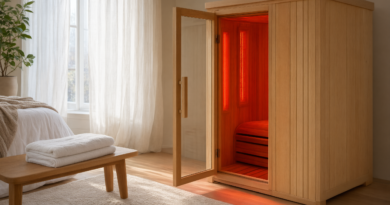
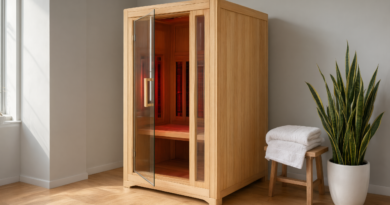
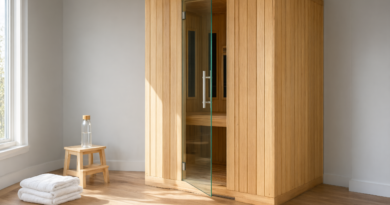
These are the most common home models, ranging from 1-person corner units to 4-person family cabins. They use carbon or ceramic panels mounted on the walls, floor, and sometimes the bench. Look for low-EMF certifications (under 3 milligauss at 4 inches from the panel) if you are sensitive to electromagnetic fields. Wood choice affects durability and off-gassing: Canadian hemlock is affordable and sturdy; Western red cedar resists moisture and has a pleasant aroma; basswood is hypoallergenic and ideal for chemically sensitive users. Prices typically range from $1,500 for a basic 1-person unit to $6,000+ for a 4-person model with chromotherapy lighting and Bluetooth speakers.
Traditional Steam Saunas
Traditional saunas use a heater (electric, wood-burning, or gas) to warm rocks, and you pour water over the rocks to create steam. They require more space, a waterproof floor, and often 240V electrical service. The high heat (170–200°F) can be too intense for some users, but purists love the deep sweat and social ritual. Installation costs are higher due to insulation, vapor barriers, and ventilation. Expect to pay $4,000–$10,000 for a quality 2–4 person traditional sauna kit, plus labor if you hire a contractor.
Portable Infrared Options
Portable sauna blankets and folding domes cost $200–$600 and plug into a standard outlet. They are a low-commitment way to try infrared heat, but they do not provide the same even, full-body exposure as a cabin. Heat distribution is uneven, and you lie down rather than sit upright, which some users find claustrophobic. For regular use, a cabin is more comfortable and energy-efficient over time.
Sizing Your Sauna: 1, 2, 3, or 4 Person?
Sauna size is the biggest driver of price and electrical requirements. A 1-person sauna (about 3′ x 3′ x 6′) fits in a large closet or bathroom corner and runs on 120V. A 2-person sauna (4′ x 4′ x 6′) is the most popular for couples and fits in a spare bedroom or garage. A 3-person sauna (5′ x 5′ x 6′) often has an L-shaped bench and may require 240V. A 4-person sauna (6′ x 6′ x 6′) is a family investment and typically needs a dedicated 240V circuit and a reinforced floor. Measure your available space carefully, including ceiling height—most cabins need at least 6’8′ clearance for assembly. Also account for door swing and a 2–3 inch gap from walls for ventilation.
Space Planning Checklist
- Measure the room’s length, width, and ceiling height before shopping.
- Leave at least 6 inches of clearance on all sides for airflow and maintenance.
- Check the floor load rating—a 4-person sauna can weigh over 500 pounds when occupied.
- Plan for a nearby dedicated outlet or subpanel if the sauna requires 240V.
- Consider ventilation: a small exhaust fan or open window prevents humidity buildup.
Heater Technology: Carbon vs. Ceramic vs. Hybrid
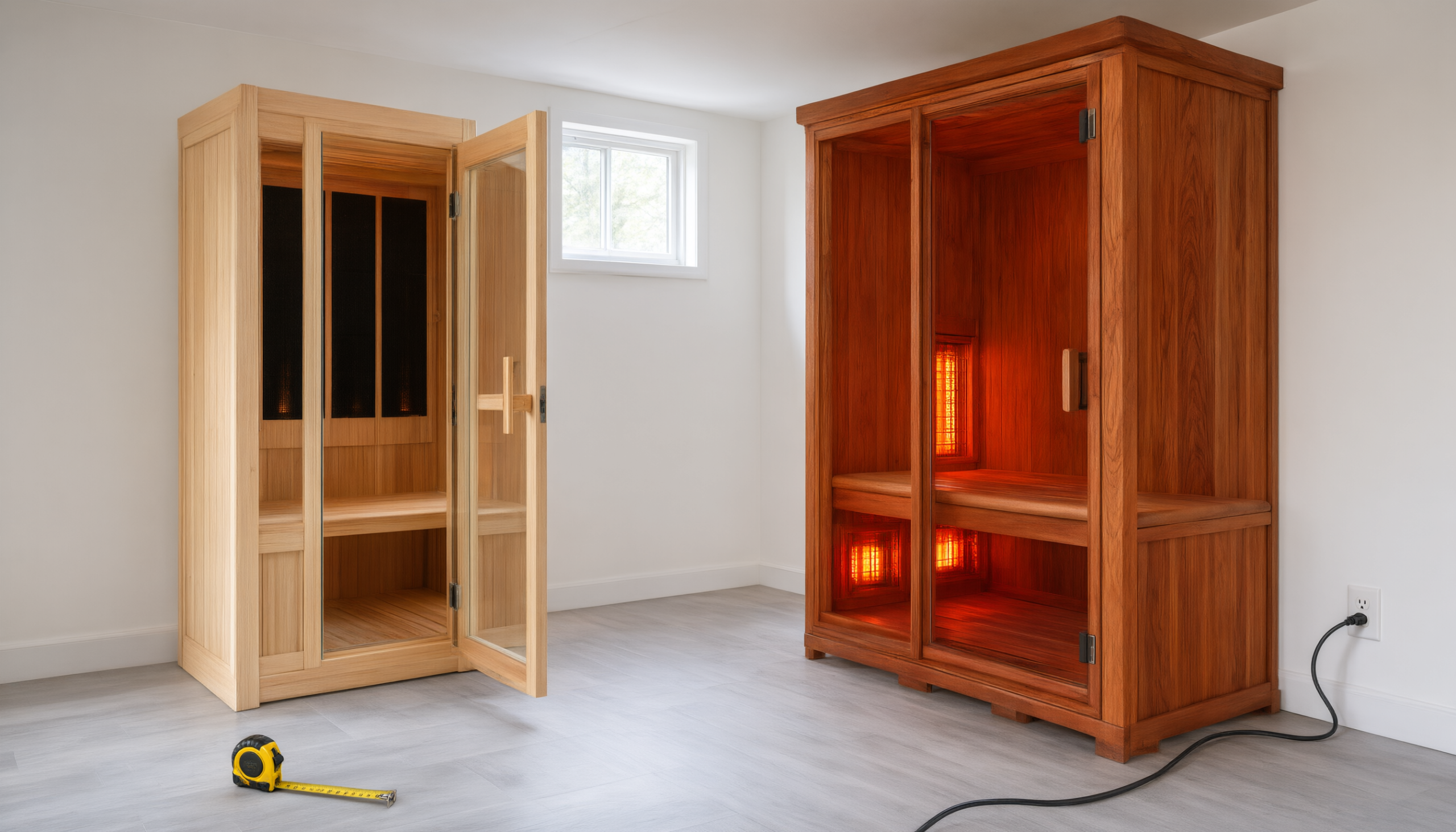
Carbon panel heaters are thin, flat, and emit far-infrared wavelengths that penetrate about 1.5 inches into the skin. They heat up quickly and distribute warmth evenly, making them ideal for small to medium saunas. Ceramic tube heaters are bulkier but emit a broader spectrum, including near-infrared, which penetrates deeper (up to 3 inches) and may offer more therapeutic benefit for muscle recovery. Hybrid models combine both, but they cost more and consume more power. Low-EMF shielding is an important feature: look for models with braided or metal-shielded wiring and EMF readings below 3 mG at the seating position. Always request the manufacturer’s EMF test report rather than relying on marketing claims.
EMF and Safety Considerations
All electrical devices produce electromagnetic fields, and infrared saunas are no exception. The concern is prolonged close-range exposure. Reputable manufacturers now design panels with low-EMF wiring and shielding, and some publish third-party test results. If you are pregnant, have a pacemaker, or take medications that affect heat tolerance, consult your physician before using any sauna. Children should use saunas only under adult supervision and for shorter sessions at lower temperatures.
Materials and Build Quality: Wood Types and Off-Gassing
The wood used in your sauna affects durability, aroma, and indoor air quality. Hemlock is the most common budget option—it is strong, light-colored, and has low resin content. Western red cedar is naturally rot-resistant and aromatic, but it costs 20–30% more. Basswood is the premium choice for allergy sufferers because it is hypoallergenic, odorless, and smooth. Avoid saunas made from plywood or particleboard, which can off-gas formaldehyde when heated. Look for solid wood construction with tongue-and-groove joinery, and ask about the type of glue or finish used. A well-built sauna should have no visible gaps, warped panels, or sharp edges.
Assembly and Installation Realities
Most infrared sauna kits are modular and can be assembled by two people in 2–4 hours using basic tools. They do not require plumbing or special venting, but they do need a level floor and a dedicated electrical circuit. If you are not comfortable with wiring, hire a licensed electrician to install the outlet or hardwire the unit. Some municipalities require a building permit for saunas over a certain size or electrical load, so check local codes before ordering. For traditional steam saunas, professional installation is strongly recommended due to insulation, vapor barriers, and drainage requirements.
Price Points: What to Expect at Each Budget Level
Infrared sauna prices vary widely based on size, heater type, wood, and brand reputation. Here is an honest breakdown:
- Under $1,500: Basic 1-person carbon panel saunas, often with thin hemlock walls and minimal features. Expect shorter warranties and higher EMF readings.
- $1,500–$3,000: Quality 2-person saunas with low-EMF carbon panels, solid hemlock or cedar, and some extras like chromotherapy or Bluetooth. This is the value sweet spot.
- $3,000–$5,000: Larger 3-person or premium 2-person models with ceramic or hybrid heaters, basswood interiors, and advanced controls. Often includes better insulation and longer warranties.
- $5,000+: Top-tier 4-person cabins with full-spectrum heating, medical-grade low-EMF certification, and custom wood options. Traditional steam saunas also start in this range.
Remember that the purchase price is only part of the cost. Factor in electrical work ($200–$800 for a dedicated circuit), delivery fees, and any floor reinforcement. A $2,000 sauna can easily become a $3,000 project after installation.
Practical Safety Checklist Before You Buy
- Verify the sauna’s electrical requirements and have a licensed electrician inspect your panel.
- Request the manufacturer’s EMF test report and compare readings at the seating position.
- Confirm the wood type and ask about off-gassing certifications (e.g., CARB Phase 2 compliant).
- Check the warranty length and what it covers—heaters, wood, and electronics should have separate terms.
- Read customer reviews for assembly difficulty, heat-up time, and long-term durability.
Infrared saunas operate at lower temperatures than traditional saunas, which makes them accessible to a wider range of users—but the quality of the heater panels and wood construction determines whether you get a therapeutic experience or an expensive closet.
Closing Summary: Making a Safe, Informed Choice
Buying a home infrared sauna is a significant investment in your wellness routine, but it does not have to be overwhelming. Start by defining your space, budget, and primary use case—daily solo sessions, couples therapy, or family relaxation. Then compare heater types and wood materials with an eye toward low-EMF design and solid construction. Always defer to the manufacturer’s specifications for measurements, electrical load, and performance, and consult a licensed contractor or electrician for installation and wiring questions. This article is for informational purposes only and does not constitute professional buying or installation advice.
Frequently Asked Questions
1. What size infrared sauna should I buy?
Choose a 1-person sauna if you have limited space and will use it alone. A 2-person sauna is the most versatile for couples and fits in a spare room or garage. For families or those who like to stretch out, a 3–4 person model is worth the extra cost and electrical work.
2. How much does a home infrared sauna cost?
Prices range from about $1,200 for a basic 1-person unit to over $6,000 for a premium 4-person cabin. Mid-range 2-person saunas with low-EMF carbon panels typically cost $2,000–$3,500. Remember to add $200–$800 for electrical installation and possible delivery fees.
3. What is the difference between carbon and ceramic heaters?
Carbon panel heaters emit far-infrared waves evenly and are energy-efficient, making them ideal for smaller saunas. Ceramic tube heaters produce a broader spectrum, including near-infrared, which penetrates deeper into muscle tissue. Hybrid models combine both but cost more.
4. Are infrared saunas safe for daily use?
For most healthy adults, daily sessions of 20–40 minutes at 120–140°F are considered safe. Stay hydrated, limit initial sessions to 15 minutes, and stop if you feel dizzy or nauseous. Pregnant women, children, and people with cardiovascular conditions should consult a doctor first.
5. What wood is best for an infrared sauna?
Canadian hemlock is affordable and sturdy; Western red cedar resists moisture and smells pleasant; basswood is hypoallergenic and ideal for sensitive users. Avoid plywood or particleboard, which can off-gas when heated.
6. Do infrared saunas use a lot of electricity?
A 2-person infrared sauna typically draws 1,500–1,800 watts, similar to a space heater. At average US electricity rates, a 30-minute daily session costs about $0.15–$0.25. Larger models with ceramic heaters may draw more, especially if they require 240V.
7. Can I install an infrared sauna myself?
Most infrared sauna kits are designed for DIY assembly with basic tools, taking 2–4 hours for two people. However, the electrical connection should be done by a licensed electrician to meet code and safety standards. Check local building codes for any permit requirements.
8. What is low-EMF, and why does it matter?
Low-EMF saunas are designed to reduce electromagnetic field exposure from heating panels and wiring. Look for models with EMF readings below 3 milligauss at the seating position. This is especially important if you use the sauna daily or are sensitive to EMF.
9. How long does an infrared sauna take to heat up?
Most infrared saunas reach 120–130°F in 15–30 minutes, depending on the heater type and room temperature. Carbon panels heat up faster than ceramic tubes. Preheating while you change clothes is a good habit to save time.
10. Do I need a special floor for an infrared sauna?
Infrared saunas do not produce steam, so a waterproof floor is not required. However, the floor should be level and able to support the sauna’s weight plus occupants. A concrete slab, tile, or reinforced wood floor works well. Avoid carpet, which can trap moisture and odors.
11. What is the lifespan of an infrared sauna?
A well-maintained infrared sauna can last 10–20 years. Carbon panels typically last 5,000–10,000 hours of use; ceramic heaters may last longer. Wood panels can warp if exposed to high humidity, so keep the sauna in a dry, climate-controlled space.
12. Are portable infrared saunas worth it?
Portable sauna blankets and domes are a budget-friendly way to try infrared heat, but they offer uneven heating and less durability than a cabin. If you plan to use a sauna more than twice a week, a cabin is a better long-term investment.
For more on low-EMF home infrared saunas and the models we offer, visit yardsauna.com.
This article is for informational purposes only and does not constitute professional buying or installation advice. Always verify specifications and dimensions with the manufacturer before purchase, consult a licensed contractor or electrician for installation and wiring questions, and check local building and electrical codes before buying or installing a home sauna.