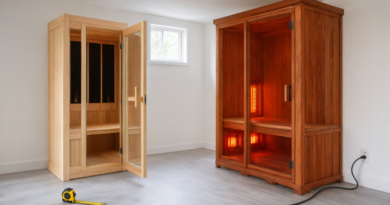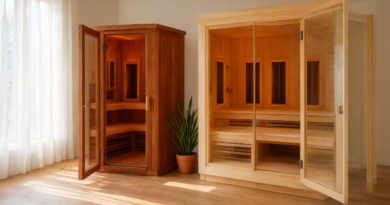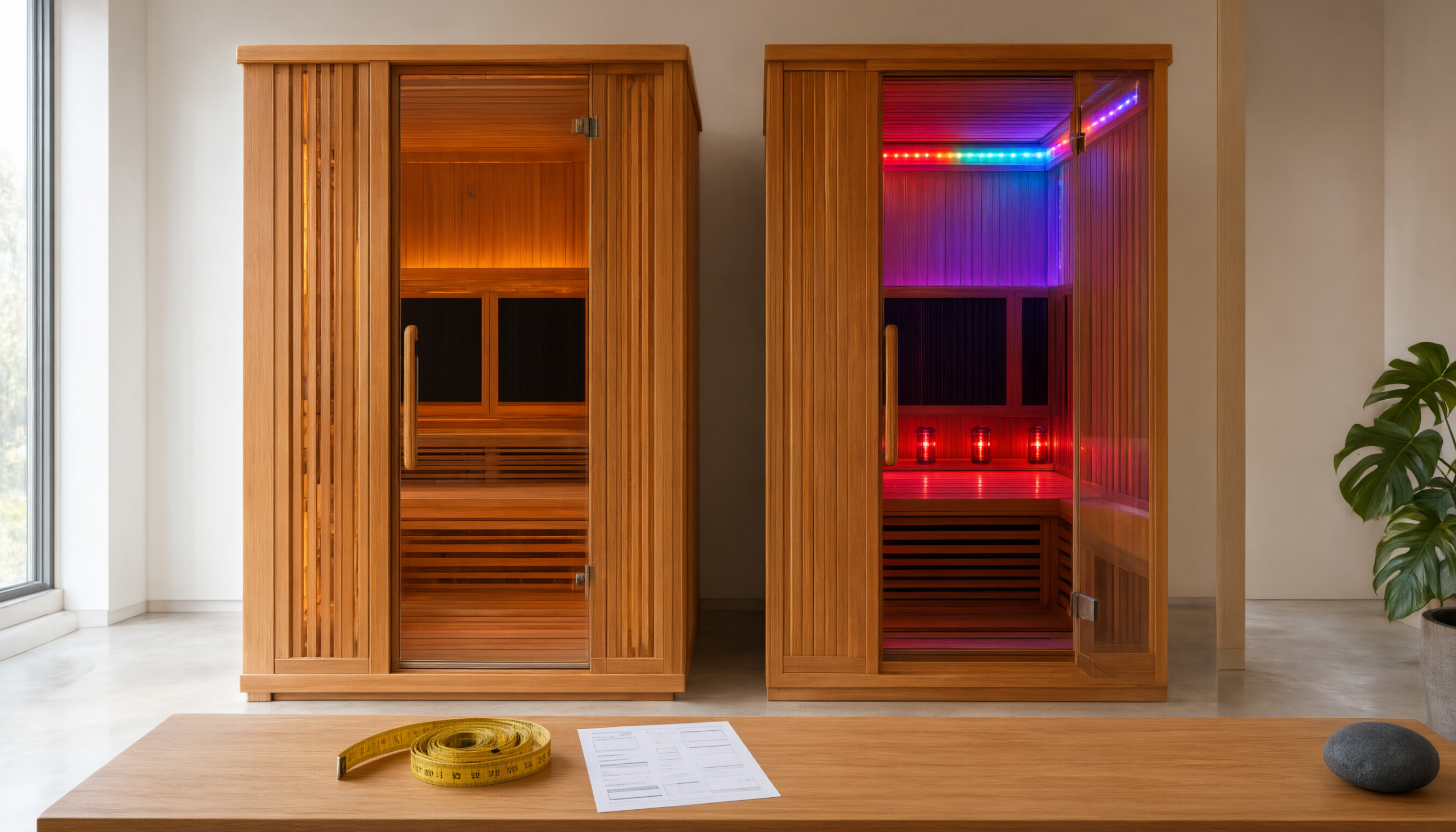
Full Spectrum vs Far Infrared Sauna: An Honest 2023 Buying Guide
Infrared saunas promise deep detoxification, pain relief, and relaxation, but the technology inside can be confusing. If you are comparing a full spectrum sauna against a far infrared model, you have likely seen bold claims about near infrared red light therapy and chromotherapy. This guide cuts through the marketing to explain what actually matters for your home sauna purchase.
Understanding Infrared Sauna Technology
Infrared saunas use invisible light waves to heat your body directly, rather than heating the air around you like a traditional Finnish sauna. The infrared spectrum is divided into three bands: near, mid, and far. Far infrared is the longest wavelength and penetrates deepest into tissue, which is why it is the workhorse for raising core body temperature and inducing a sweat. Mid infrared falls in between and offers some deeper heating. Near infrared is the shortest wavelength and is often marketed for skin and cellular benefits, but its contribution to the sauna experience is often overstated.
How Infrared Heaters Work
Most home infrared saunas use carbon or ceramic panels that emit far infrared energy. These panels are efficient, low-EMF, and produce a gentle, even heat. Full spectrum saunas add near and mid infrared emitters, often in the form of small LED clusters or halogen bulbs. The key question is whether those added wavelengths produce enough output to matter. In many cases, the near infrared output from a full spectrum sauna is a fraction of what you would get from a dedicated red light therapy panel, meaning you are paying for a feature that may not deliver a therapeutic dose.
EMF and Electrical Considerations
All electrical saunas produce some electromagnetic fields, but reputable manufacturers design low-EMF heaters and shielded wiring. Before buying, ask for third-party EMF test results and verify that the sauna plugs into a standard 120-volt outlet or requires a dedicated 240-volt circuit. Installation should always be done by a licensed electrician, especially if you are adding a new circuit. Check the manufacturer’s specifications for exact power requirements and clearance space.
Comparing Sauna Types and Features
When shopping, you will encounter three main categories: far infrared only, full spectrum, and traditional steam saunas. Each has trade-offs in cost, size, and performance. Here is an honest look at what you get for your money.
Far Infrared Saunas: The Reliable Workhorse
Far infrared saunas focus on one thing: deep, penetrating heat that makes you sweat. They are typically more affordable, simpler to operate, and have fewer components that can fail. For most home users, a far infrared sauna provides all the detoxification and relaxation benefits without the added cost of near infrared emitters. Look for models with carbon panel heaters, low EMF ratings, and a comfortable interior height.
Full Spectrum Saunas: Marketing vs. Reality
Full spectrum saunas add near and mid infrared wavelengths, often with colorful LED chromotherapy lights. The idea is that you get a wider range of therapeutic benefits in one box. However, the near infrared output in most full spectrum saunas is far below the levels used in clinical red light therapy studies. If you want real near infrared benefits, a separate, dedicated red light therapy panel will almost always outperform the built-in emitters of a full spectrum sauna. That does not mean full spectrum saunas are bad—they still provide excellent far infrared heat—but you are paying extra for a near infrared feature that may be underpowered.
Chromotherapy: Nice Ambiance, Limited Science
Chromotherapy, or color light therapy, is often bundled with full spectrum saunas. While colored lights can enhance relaxation and mood, the scientific evidence for specific color wavelengths healing the body is weak. Treat chromotherapy as a pleasant ambiance feature, not a medical treatment. If you enjoy the look of colored lights, by all means choose a sauna with them, but do not let chromotherapy be the deciding factor in your purchase.
Size, Materials, and Price Points
Home infrared saunas range from compact one-person units to spacious four-person models. The right size depends on your available space, budget, and how many people will use it regularly. Always measure your room carefully and leave clearance for ventilation and door swing.
Common Sauna Sizes and Footprints
- One-person sauna: roughly 3 feet wide by 3 feet deep, ideal for small apartments or closets.
- Two-person sauna: about 4 feet by 4 feet, the most popular size for couples.
- Three-person sauna: around 5 feet by 5 feet, offering room to stretch out.
- Four-person sauna: 6 feet by 6 feet or larger, often with corner seating.
These dimensions are approximate; always check the manufacturer’s spec sheet for exact exterior and interior measurements. Allow at least 6 inches of clearance on all sides for airflow and maintenance access.
Wood Choices and Build Quality
The interior wood affects both durability and air quality. Western red cedar is the gold standard for its natural resistance to moisture and pleasant aroma. Hemlock is a more affordable alternative that is hypoallergenic and sturdy. Basswood is lightweight and good for those with chemical sensitivities. Avoid saunas made with plywood or particleboard, as they can off-gas harmful chemicals when heated.
What You Can Expect to Pay
Entry-level far infrared saunas start around $1,500 to $2,500 for a two-person model. Mid-range units with better heaters and wood run $3,000 to $5,000. Premium full spectrum saunas with low EMF ratings and extra features can exceed $7,000. Remember that installation, electrical work, and delivery are often additional costs. Always request a detailed quote and compare at least three models before deciding.
Practical Safety Checklist for Home Buyers
Before you commit to a sauna, run through this checklist to avoid common pitfalls.
- Verify the sauna’s EMF levels with a third-party test report, not just the manufacturer’s claim.
- Confirm the electrical requirements: 120V plug-in vs. 240V hardwired, and hire a licensed electrician for any new circuit.
- Measure your space and check door width to ensure the sauna can be delivered and assembled in place.
- Ask about the heater type, warranty length, and availability of replacement parts.
Infrared sauna benefits are real, but the near infrared output in most full spectrum models is nowhere close to a dedicated red light therapy panel. Buy the sauna for the far infrared heat, not the marketing hype.
Video walkthrough: comparing full spectrum and far infrared saunas
In this on-camera walkthrough, a certified sauna reviewer addresses the persistent question of whether a full spectrum sauna is worth the extra cost. He demonstrates that the near infrared and mid infrared emitters in most full spectrum saunas produce only a fraction of the output of a dedicated photobiomodulation (PBMT) body panel. The reviewer notes that while full spectrum saunas are fine for far infrared sweating, their near infrared output is not at a therapeutic level for red light therapy benefits. He also points out that chromotherapy lights in the ceiling or sides are primarily aesthetic and do not contribute to the sauna’s heat or sweat response. The key takeaway is to choose a sauna based on far infrared performance and low EMF, and to buy a separate red light therapy panel if you want real near infrared benefits.
Closing Summary: Making a Safe, Informed Choice
Choosing between a full spectrum and far infrared sauna comes down to honest expectations. Far infrared models deliver the core benefit—deep heat and sweat—at a lower price. Full spectrum saunas add near infrared and chromotherapy, but those features often underdeliver compared to dedicated devices. Focus on build quality, low EMF, and proper electrical installation. Always defer to the manufacturer’s specifications for measurements and performance, and consult a licensed contractor or electrician for any installation or wiring questions. This article is for informational purposes only and does not constitute professional buying or installation advice.
Frequently Asked Questions
1. What is the difference between full spectrum and far infrared saunas?
Far infrared saunas use only far infrared wavelengths, which penetrate deeply to heat the body and induce sweating. Full spectrum saunas add near and mid infrared emitters, but the near infrared output is often too low to provide meaningful red light therapy benefits. For most users, far infrared is sufficient.
2. Is a full spectrum sauna worth the extra money?
It depends on your goals. If you want the best possible far infrared sweating experience, a full spectrum sauna will work well, but you are paying extra for near infrared features that may not deliver a therapeutic dose. A dedicated red light therapy panel is usually a better investment for near infrared benefits.
3. What size infrared sauna should I buy?
Measure your available space and think about how many people will use the sauna at once. A two-person sauna is the most versatile for couples, while a one-person unit fits in smaller rooms. Always check the manufacturer’s exterior dimensions and allow clearance for ventilation.
4. How much does a home infrared sauna cost?
Prices range from about $1,500 for a basic one-person far infrared sauna to over $7,000 for a premium full spectrum model. Installation, electrical work, and delivery can add several hundred dollars. Get multiple quotes and compare features before buying.
5. What type of heater is best for an infrared sauna?
Carbon panel heaters are the most common and provide even, low-EMF far infrared heat. Ceramic heaters are also effective but may have higher EMF levels. Avoid saunas with cheap, thin heating elements that can create hot spots.
6. Is chromotherapy in a sauna medically proven?
Chromotherapy, or color light therapy, has limited scientific evidence for healing specific conditions. It can enhance relaxation and mood, but it should not be considered a medical treatment. Treat it as an ambiance feature.
7. Do infrared saunas emit dangerous EMF?
All electrical devices produce some EMF, but reputable sauna manufacturers design low-EMF heaters and shielded wiring. Ask for third-party EMF test results and choose a model with levels below 3 milligauss at the seating area.
8. Can I install an infrared sauna myself?
Many infrared saunas are modular and can be assembled by two people without special tools. However, if the sauna requires a dedicated 240-volt circuit, you must hire a licensed electrician. Always follow the manufacturer’s installation instructions.
9. What wood is best for an infrared sauna interior?
Western red cedar is the top choice for its durability, moisture resistance, and pleasant scent. Hemlock is a good budget alternative, and basswood is ideal for those with chemical sensitivities. Avoid plywood or particleboard.
10. How long should I stay in an infrared sauna?
For beginners, start with 10 to 15 minutes at 110 to 120 degrees Fahrenheit. Gradually increase to 30 to 40 minutes as your body adapts. Always listen to your body and hydrate before and after each session.
11. Are full spectrum saunas safe for daily use?
Yes, when used as directed. Infrared saunas are generally safe for daily use, but you should consult your doctor if you have a medical condition, are pregnant, or take medications that affect heat tolerance. Start slowly and stay hydrated.
12. Can I add red light therapy to a far infrared sauna?
Yes, you can purchase a separate red light therapy panel and use it inside or outside the sauna. This is often more effective than buying a full spectrum sauna because dedicated panels deliver a higher, more targeted near infrared dose.
For more on low-EMF home infrared saunas and the models we offer, visit yardsauna.com.
This article is for informational purposes only and does not constitute professional buying or installation advice. Always verify specifications and dimensions with the manufacturer before purchase, consult a licensed contractor or electrician for installation and wiring questions, and check local building and electrical codes before buying or installing a home sauna.