Infrared Sauna Electrical Safety: Wiring, Amperage, and Dedicated Circuits Explained
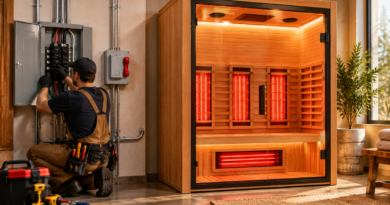
Installing a home infrared sauna is an investment in wellness, but before you enjoy the first sweat session, you need to address the single most overlooked safety factor: electricity. A sauna’s heating elements draw significant current, and an undersized circuit or improper connection can lead to overheating, tripped breakers, or even fire. This guide breaks down exactly what you need to know about infrared sauna electrical safety—from dedicated circuits to GFCI protection—so you can relax without worry.
Why Electrical Safety Matters More Than You Think
Infrared saunas are often marketed as plug-and-play appliances, but they are not like a table lamp. A typical 2-person infrared sauna draws between 15 and 20 amps at 120 volts, while larger 3-4 person models may require a 240-volt circuit pulling 30 amps or more. When that load is placed on a shared circuit with other devices, the wiring can overheat, the breaker can trip mid-session, and in the worst case, an electrical fire can start inside the wall. The National Fire Protection Association (NFPA) consistently lists electrical distribution as a leading cause of home fires, and saunas are not exempt.
The good news is that most electrical hazards are preventable with proper planning. The key is understanding your sauna’s specific power requirements and following the National Electrical Code (NEC) as adopted by your local jurisdiction. Because codes vary by state and municipality, this article provides general guidance only—always defer to the manufacturer’s installation manual and a licensed electrician for your specific situation.
Understanding Your Sauna’s Electrical Requirements
Before you even order a sauna, you need to know what it will demand from your home’s electrical system. The specifications are usually printed on a metal plate attached to the sauna’s control panel or listed in the owner’s manual. Look for three numbers: voltage, amperage, and wattage. Voltage is either 120V or 240V; amperage is the current draw; wattage is the total power consumption (volts × amps). For example, a sauna rated at 120V and 15A consumes 1,800 watts. A 240V, 30A unit consumes 7,200 watts.
How a Dedicated Circuit Works
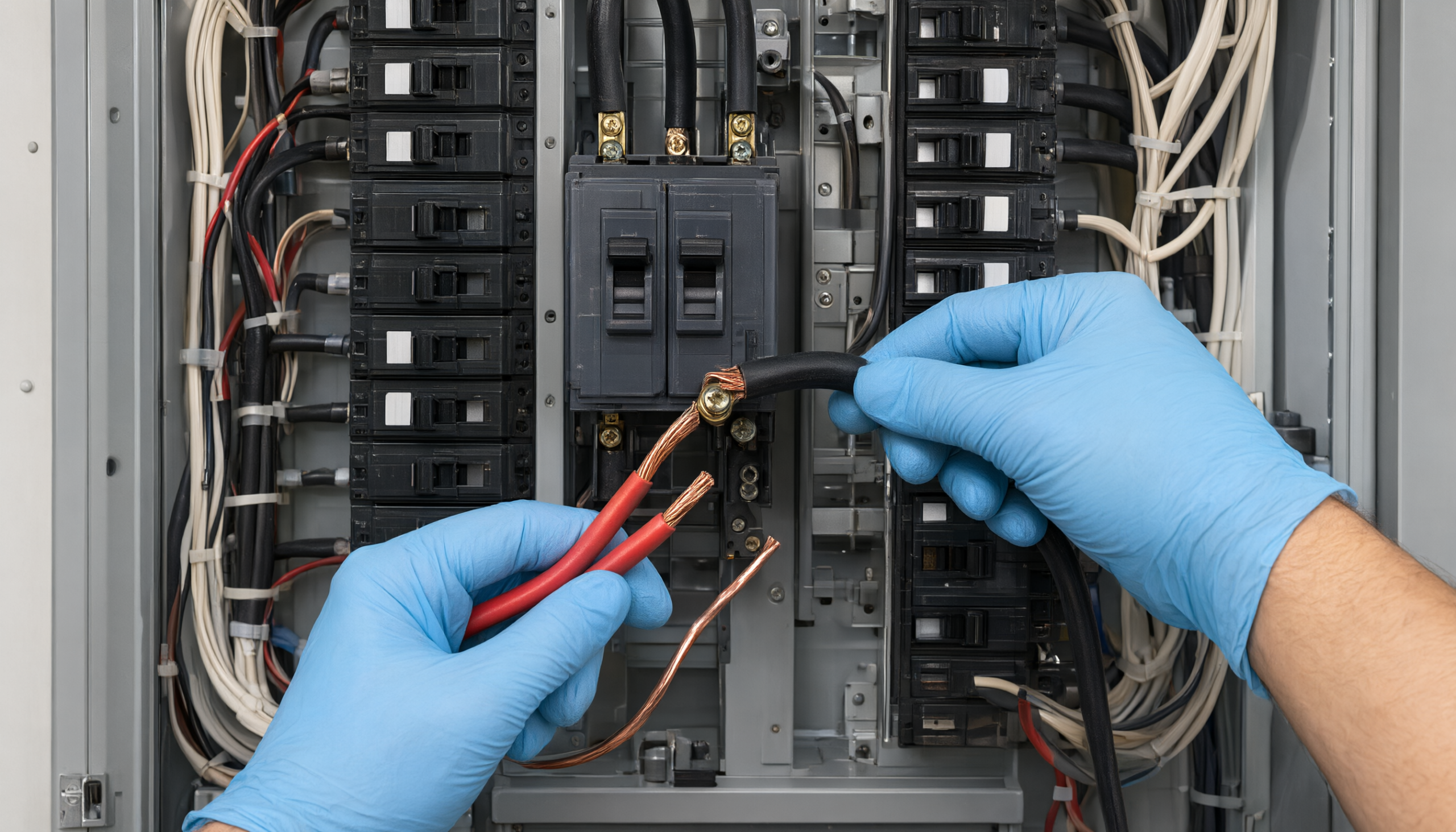
A dedicated circuit is one that serves only a single appliance—in this case, your sauna. It has its own breaker in the electrical panel and its own wiring run to the sauna’s location. The breaker is sized to the sauna’s amperage draw, typically 15, 20, or 30 amps. The wire gauge must match the breaker: 14-gauge for 15 amps, 12-gauge for 20 amps, and 10-gauge for 30 amps. Using thinner wire than required causes resistance, heat buildup, and potential insulation failure.
Most infrared saunas under 2,000 watts can operate on a standard 120V, 15-amp dedicated circuit, but many manufacturers recommend a 20-amp circuit for an extra safety margin. Larger saunas with multiple heaters or a 240V supply need a double-pole breaker and heavier wiring. Never plug a sauna into an extension cord or a power strip—the added resistance and potential for loose connections are fire hazards.
GFCI Protection: Required or Not?
Ground Fault Circuit Interrupter (GFCI) protection is designed to prevent electric shock by detecting current leakage and shutting off power within milliseconds. The NEC requires GFCI protection for all 125-volt, single-phase, 15- and 20-amp receptacles in bathrooms, garages, outdoors, and other damp locations. However, the code does not explicitly require GFCI for a dedicated sauna circuit if the sauna is hardwired (not plugged in). If your sauna plugs into a receptacle, that receptacle must be GFCI-protected if it is in a location that already requires GFCI, such as a basement or garage.
Some sauna manufacturers advise against GFCI because the heating elements can cause nuisance tripping, but that is not a valid reason to skip protection where code requires it. A licensed electrician can help you determine whether GFCI is necessary for your installation and can install a high-quality GFCI breaker that minimizes false trips.
Planning the Installation: A Step-by-Step Safety Routine
Electrical work is not a DIY project for most homeowners. Even if you are handy, mistakes can be invisible and deadly. The following steps outline a safe process—but the final connection should always be done by a professional.
- Confirm the sauna’s exact electrical specifications from the manufacturer’s plate or manual.
- Hire a licensed electrician to assess your electrical panel’s capacity and available breaker slots.
- Have the electrician run a dedicated circuit with the correct wire gauge and breaker size to the sauna’s planned location.
- If the sauna plugs in, ensure the receptacle is properly grounded and GFCI-protected if required by local code.
- If the sauna is hardwired, the electrician will connect it directly to the circuit using an approved junction box and strain relief.
- Before first use, test the sauna with no one inside for 15 minutes while monitoring the breaker and wiring for any signs of heat or odor.
A dedicated circuit is non-negotiable for any infrared sauna. Sharing a circuit with other appliances is a recipe for nuisance tripping and potential overheating—always run a separate line.
Common Electrical Mistakes to Avoid
Even well-intentioned homeowners make errors that compromise safety. Here are the most frequent ones we see in sauna installations:
- Using an existing circuit that also powers lights, outlets, or a refrigerator.
- Plugging the sauna into an extension cord or a multi-outlet adapter.
- Installing a breaker with a higher amperage than the wire can handle (e.g., a 30-amp breaker on 14-gauge wire).
- Ignoring local code requirements for GFCI or AFCI protection.
- Failing to secure the sauna’s power cord to prevent strain or damage.
How Infrared Heaters Draw Power
Infrared saunas use carbon or ceramic panels that emit infrared radiation to heat the body directly rather than heating the air. These panels are resistive loads—when current flows through them, they produce heat. The total current draw is the sum of all panels plus the control system and any lighting. Because the load is mostly resistive, the power factor is near 1.0, meaning the amperage draw is steady and predictable. However, when the sauna first turns on, all heaters may run simultaneously at full power, creating a brief inrush current slightly higher than the rated amperage. That is why the circuit should have a small safety margin—a 20-amp circuit for a 15-amp sauna, for example.
Practical Safety Checklist for This Week
If you already own an infrared sauna or are about to install one, use this checklist to verify electrical safety:
- Locate your sauna’s electrical rating plate and write down the voltage and amperage.
- Check your electrical panel to see which breaker controls the sauna circuit—is it dedicated?
- Inspect the power cord and plug for any signs of melting, discoloration, or looseness.
- If the sauna is plugged into a GFCI outlet, press the test button monthly to ensure it trips.
- Schedule an annual inspection by a licensed electrician if your sauna is heavily used.
When to Call a Licensed Electrician
You should involve a professional in every sauna electrical installation, but certain situations demand immediate attention. If you notice a burning smell, warm outlets, flickering lights when the sauna is on, or a breaker that trips repeatedly, shut off the sauna and call an electrician. These are signs of a serious wiring problem that could lead to fire. Additionally, if you are moving a sauna to a new location or upgrading to a larger model, the circuit must be reevaluated. Never attempt to modify the sauna’s internal wiring yourself—that voids the warranty and creates a shock hazard.
Video walkthrough: how a home infrared sauna is wired and powered
In this on-camera discussion, two physicians walk through the physiological effects of sauna bathing, including the immediate cardiovascular response to heat. They explain how the body’s need to dissipate heat triggers vasodilation—blood vessels widen to bring more blood to the skin’s surface—and how sweating cools the body through evaporation. The doctors emphasize that these responses are measurable and contribute to improved circulation and muscle relaxation. While the video focuses on health benefits rather than electrical installation, it underscores why a sauna must be reliably powered: a session interrupted by a tripped breaker or faulty wiring prevents the body from completing its natural thermoregulatory cycle. The takeaway for homeowners is that a dedicated, properly sized circuit is not just about fire safety—it is essential for the sauna to function as intended.
Closing Summary: Electrical Safety Is the Foundation of Sauna Enjoyment
An infrared sauna can be a wonderful addition to your home, but only if the electrical installation is done correctly. The most common pitfalls—shared circuits, undersized wiring, missing GFCI protection—are entirely avoidable with a little planning and professional help. Remember that this article is for informational purposes only and does not constitute safety or electrical advice. Always follow the manufacturer’s instructions, adhere to local building and fire codes, and hire a licensed electrician for any wiring work. When the power is safe, the only thing you need to worry about is how long to stay in the heat.
Frequently Asked Questions
1. Does an infrared sauna need a dedicated circuit?
Yes, every infrared sauna should be on its own dedicated circuit. Sharing a circuit with other appliances can cause overloads, nuisance breaker trips, and overheating of the wiring. A dedicated circuit ensures the sauna receives the full amperage it needs without affecting other parts of your home.
2. Can I plug my infrared sauna into a regular wall outlet?
It depends on the sauna’s electrical rating and the outlet’s circuit. A small 120V sauna drawing 15 amps or less can often plug into a standard 15-amp outlet, but the circuit must be dedicated. If the outlet is part of a shared circuit, you risk tripping the breaker or overloading the wires. Always check the manufacturer’s requirements and have an electrician verify the circuit.
3. Is a GFCI outlet required for an infrared sauna?
GFCI protection is required for 125-volt, 15- and 20-amp receptacles in certain locations such as bathrooms, garages, and unfinished basements. If your sauna plugs into a receptacle in one of those areas, that receptacle must be GFCI-protected. For hardwired saunas, GFCI is not typically required by code, but some local amendments may differ. Consult your local electrical inspector.
4. What size breaker do I need for a 2-person infrared sauna?
Most 2-person infrared saunas operate on 120 volts and draw between 15 and 20 amps. A 20-amp breaker is commonly recommended to provide a safety margin. However, you must check the sauna’s nameplate rating—if it draws 20 amps continuously, you may need a 30-amp circuit with appropriate wiring. Never install a larger breaker without upgrading the wire gauge.
5. Can I use an extension cord with my infrared sauna?
No. Extension cords are not designed for continuous high-current loads and can overheat, melt, or cause a fire. The sauna should be plugged directly into a properly installed receptacle or hardwired by an electrician. If the power cord is too short, have an electrician install a new outlet closer to the sauna.
6. How far should the sauna be from the electrical panel?
There is no specific distance limit, but longer wire runs require larger gauge wire to prevent voltage drop. As a rule of thumb, for runs over 50 feet, you may need to increase the wire size by one gauge. An electrician can calculate the correct wire size based on the distance and the sauna’s amperage draw.
7. Is it safe to install an infrared sauna in a bathroom?
Yes, but the bathroom’s electrical requirements are strict. All receptacles in a bathroom must be GFCI-protected, and the sauna must be listed for damp locations if it will be exposed to moisture. The sauna should be installed at least 5 feet from the bathtub or shower, and any hardwired connection must be in a weatherproof junction box. Always follow local codes.
8. Why does my sauna keep tripping the breaker?
Repeated breaker trips indicate an overload, a short circuit, or a ground fault. First, verify that the sauna is on a dedicated circuit and that the breaker is correctly sized. If the problem persists, the sauna’s heating elements or wiring may be damaged. Turn off the sauna and call a licensed electrician to diagnose the issue—do not keep resetting the breaker.
9. Can I install the electrical wiring myself?
While some homeowners have the skills to run a new circuit, electrical work is regulated and potentially deadly. Most jurisdictions require a permit and inspection for new circuits, and some require a licensed electrician. Even if not required, the risk of a hidden mistake causing a fire is not worth the savings. Hire a professional.
10. How often should I have my sauna’s electrical system inspected?
If your sauna is used regularly, an annual inspection by a licensed electrician is a good practice. The electrician will check for loose connections, signs of overheating, and proper grounding. If you notice any changes in performance—such as flickering lights, warm outlets, or a burning smell—schedule an inspection immediately.
For more on low-EMF home infrared saunas and the models we offer, visit yardsauna.com.
This article is for informational purposes only and does not constitute safety, electrical, fire, or radiation-safety advice. Always follow the manufacturer instructions, consult a licensed electrician for wiring and installation questions, and check local building and fire codes before installing or modifying a home sauna. Supervise children and vulnerable adults around any heated appliance.