Low EMF Infrared Saunas: What Homeowners Must Know Before Buying
If you are shopping for a home infrared sauna, you have likely seen the term low EMF or ultra low EMF attached to pricier models. But what does that label actually mean for your health and safety, and is the extra cost justified? Understanding electromagnetic fields, how they are measured, and what independent testing really shows can help you make a confident, informed decision for your household.
What Are EMFs and Why They Matter in a Sauna
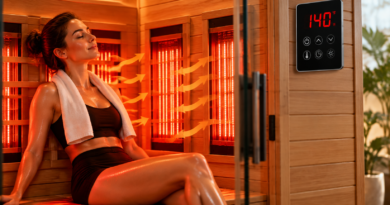
Electromagnetic fields are invisible energy waves produced by anything that uses electricity, including the heaters inside an infrared sauna. The type of EMF you encounter in a sauna is classified as extremely low frequency, or ELF, which is different from the radio frequency waves emitted by cell phones. While regulatory bodies like the World Health Organization have not established a definitive link between low-level ELF exposure and disease, some research suggests that chronic high exposure may contribute to oxidative stress, sleep disruption, and changes in cellular calcium signaling. For a device you might use several times a week, minimizing unnecessary EMF exposure is a reasonable precaution, especially for individuals who are already sensitive to electromagnetic fields or managing chronic health conditions.
How Low EMF Saunas Are Engineered
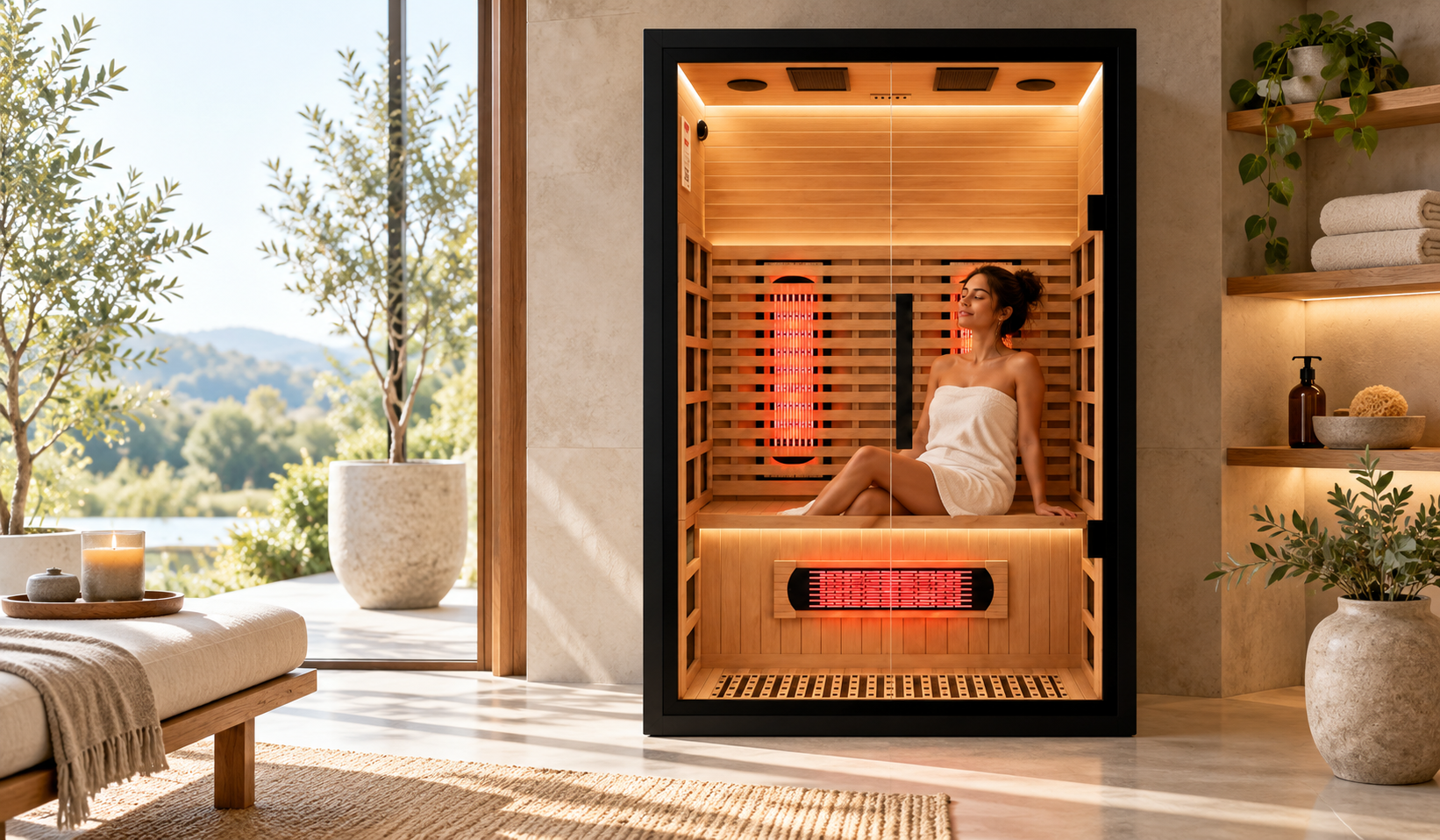
Creating a low EMF infrared sauna is not simply a matter of flipping a switch. Manufacturers must design the entire system with shielding and field cancellation in mind. This typically involves carbon or ceramic heaters that are specifically engineered to reduce stray EMF emissions, special wiring materials and grounding layouts, and strategic placement of heaters so that the strongest fields are kept away from where your head, torso, and legs rest during a session. These design choices add cost, which is why low EMF models often run $500 to $1,500 more than standard saunas. The goal is to lower your exposure without sacrificing heat output or the therapeutic benefits of infrared therapy.
Understanding Milligauss Levels
EMF strength in the ELF range is measured in milligauss (mG). As a general reference, readings above 10 mG are considered high, 3 to 10 mG are medium, under 3 mG are low, and under 1 mG are often labeled ultra low. However, a single number on a spec sheet can be misleading. The gold standard is independent testing with a gauss meter placed at multiple points where your body would actually be during a session: at head height, torso level, and near the legs. If a manufacturer only reports one measurement, you are not getting the full picture of your real-world exposure.
Is Low EMF Worth the Extra Cost?
The answer depends on how you plan to use your sauna. If you are a casual user who enjoys a 15-minute session once or twice a week, a standard sauna is likely perfectly acceptable. But if you use your sauna four or more times per week, take longer sessions of 30 to 45 minutes, or have a known sensitivity to EMFs, investing in a low EMF model may be a wise long-term decision. People with EMF sensitivity often report symptoms like fatigue, headaches, or brain fog after using standard saunas, and while these reports are anecdotal, they are worth considering. A low EMF sauna does not change the fundamental benefits of infrared heat—detoxification, pain relief, improved circulation, and stress reduction—but it may reduce your overall allostatic load, which is the cumulative burden of environmental stressors on your body.
Independent testing at multiple body points is the only way to know your true EMF exposure in a sauna—a single spec sheet number is not enough.
Practical Safety Checklist for Low EMF Sauna Buyers
Before you commit to a low EMF sauna, here are a few steps you can take this week to protect yourself and your family:
- Ask the manufacturer for independent EMF test results, not just their own marketing claims.
- Request readings taken at head, torso, and leg positions inside the sauna.
- Verify that the sauna has been tested with a gauss meter, not just calculated theoretically.
- Consider your own usage pattern: if you plan to use the sauna daily, prioritize lower EMF.
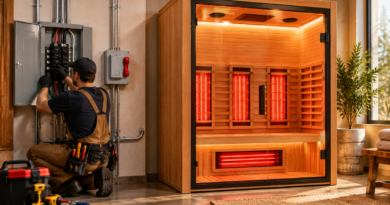
- Consult a licensed electrician about proper wiring and grounding for any sauna installation.
How EMF Testing Works in Practice
When a sauna is tested for EMF, a technician typically places a calibrated gauss meter at several fixed points inside the cabin while the heaters are running at full power. The meter measures the magnetic field strength in milligauss, and the readings are recorded for each zone. A truly low EMF sauna should show readings under 3 mG at all body positions, and an ultra low model should stay under 1 mG. Because EMF fields can vary depending on the heater design, the wiring, and even the position of the user, a single measurement at the center of the sauna is not sufficient. You want a complete map of the seating area.
Why Independent Testing Matters
Some manufacturers test their own saunas in-house and report only the most favorable number. Independent testing by a third party removes that bias and gives you confidence that the sauna will perform as advertised in your home. Look for test reports that specify the exact model, the date of testing, and the equipment used. If a company is unwilling to share this data, that is a red flag.
Video walkthrough: understanding low EMF sauna testing and value
This on-camera guide walks through the science behind low EMF infrared saunas, starting with a clear definition of electromagnetic fields and why the ELF variety found in saunas is relevant to your health. It explains how milligauss levels are categorized, from high (over 10 mG) down to ultra low (under 1 mG), and stresses that independent testing at head, torso, and leg positions is the only reliable way to know your actual exposure. The video also breaks down why low EMF saunas cost more—citing engineering choices like specialized heaters, wiring, and placement—and offers practical advice on whether the upgrade is worth it based on your usage frequency and sensitivity. The key takeaway is that while the heat itself provides the therapeutic benefit, reducing EMF exposure can be a smart long-term investment for frequent users or those with chronic health concerns.
Closing Summary: Making a Safer Choice for Your Home
Choosing a low EMF infrared sauna is ultimately about balancing cost, convenience, and peace of mind. While no sauna can be guaranteed completely free of electromagnetic fields, a well-engineered low EMF model can significantly reduce your exposure during regular use. Always verify independent test results, consult a licensed electrician for proper installation, and follow the manufacturer’s instructions and local building codes. This article is for informational purposes only and does not constitute safety or electrical advice.
Frequently Asked Questions
1. What is considered a safe EMF level for an infrared sauna?
There is no universally agreed-upon safe threshold, but many wellness experts consider readings under 3 milligauss to be low and under 1 milligauss to be ultra low. The key is to have the sauna tested at multiple body positions, not just a single point.
2. Do all infrared saunas emit EMF?
Yes, any electrical device emits some level of EMF, including infrared saunas. The difference is in the design: low EMF saunas are engineered to keep those fields away from the user’s body, while standard saunas may have higher readings near the seating area.
3. Can I measure EMF levels in my own sauna?
Yes, you can purchase a gauss meter and take your own readings. Place the meter at head, torso, and leg height while the sauna is running at full temperature. Be aware that consumer meters may not be as accurate as professional equipment, but they can give you a general idea.
4. Are low EMF saunas safer than standard saunas?
Low EMF saunas reduce your exposure to electromagnetic fields, which may be beneficial for sensitive individuals or frequent users. However, both types of saunas carry the same basic electrical and thermal risks, so proper installation and use are essential regardless of EMF rating.
5. Does low EMF affect the sauna’s heat or health benefits?
No, the infrared heat and its therapeutic effects are the same. Low EMF engineering focuses on shielding and field cancellation, not on changing the wavelength or intensity of the infrared light.
6. How much more expensive is a low EMF sauna?
On average, low EMF models cost $500 to $1,500 more than comparable standard saunas. The price difference reflects the specialized heaters, wiring, and testing required to achieve low readings.
7. Are there any regulations for EMF in saunas?
In the United States, there are no federal regulations specifically limiting EMF emissions from consumer saunas. Standards and guidelines vary, so it is up to the consumer to research and choose a model that meets their personal comfort level.
8. Can children or pregnant women use a low EMF sauna?
Children and pregnant women should consult a healthcare provider before using any sauna, regardless of EMF level. The primary concerns are heat exposure and dehydration, not EMF, so medical guidance is essential.
9. How often should I use an infrared sauna to see benefits?
Many people use their sauna 3 to 4 times per week for 30 to 45 minutes per session. If you plan to use it daily, a low EMF model may be a better choice to minimize cumulative exposure.
10. What should I look for in an EMF test report?
A credible report should include the specific sauna model, the date of testing, the type of gauss meter used, and readings taken at multiple points inside the cabin. Avoid reports that only show a single number or that come from the manufacturer without independent verification.
For more on low-EMF home infrared saunas and the models we offer, visit yardsauna.com.
This article is for informational purposes only and does not constitute safety, electrical, fire, or radiation-safety advice. Always follow the manufacturer instructions, consult a licensed electrician for wiring and installation questions, and check local building and fire codes before installing or modifying a home sauna. Supervise children and vulnerable adults around any heated appliance.