Detox Through Sweat: Clearing Skin by Clearing What Your Body Stores
Many people think of sweating as just a way to cool down, but emerging wellness conversations suggest it may also be a pathway for the body to release certain unwanted compounds. For those seeking clearer, more radiant skin, the idea of “sweating it out” in a sauna has gained traction—not as a miracle fix, but as a supportive ritual. Could regular infrared sauna sessions help your skin look and feel clearer by encouraging the body to let go of what it stores?
The Science of Sweat and Skin Clarity
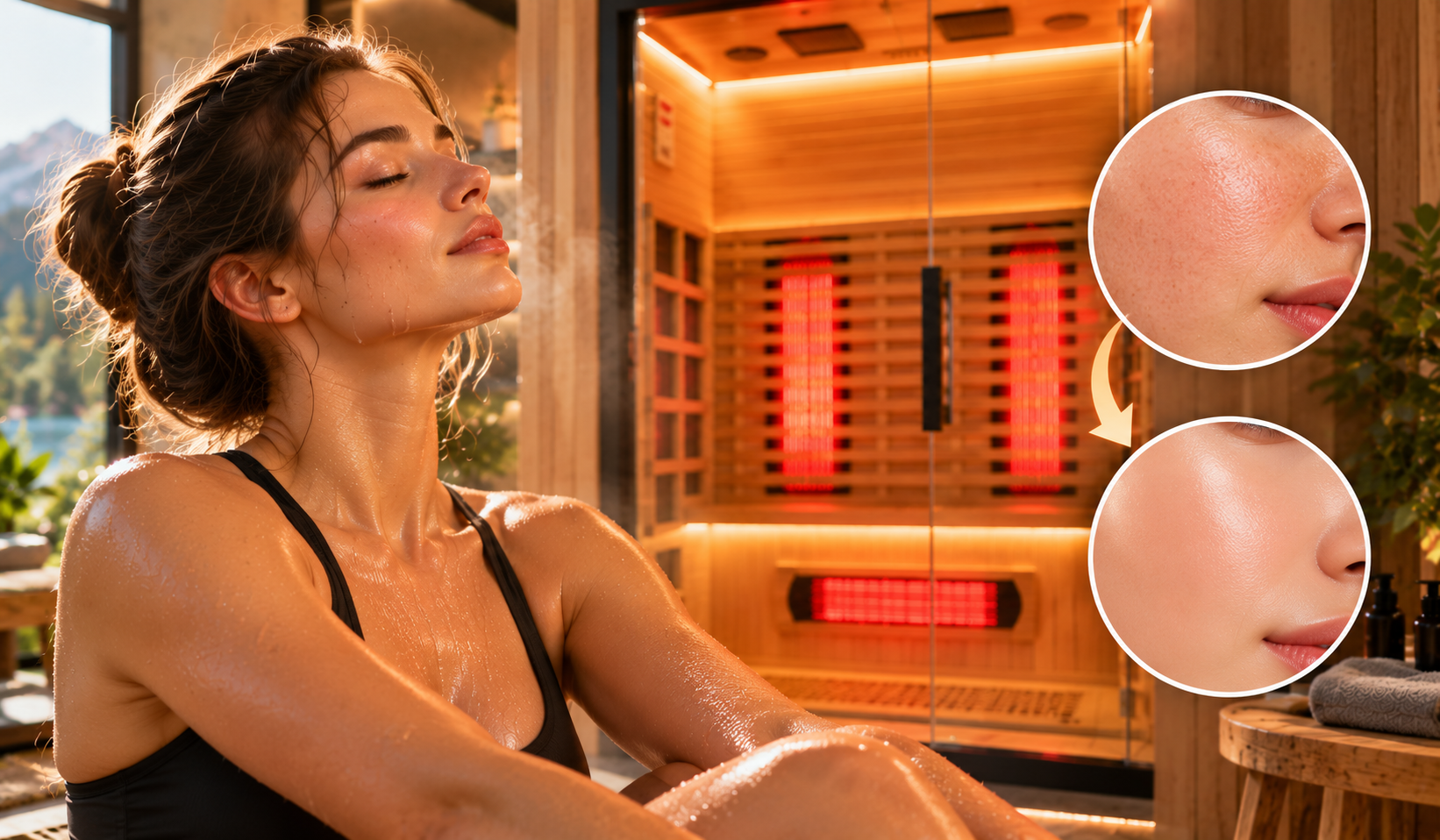
Sweat is mostly water, but it also contains trace amounts of salts, urea, lactic acid, and sometimes heavy metals or environmental pollutants. Research suggests that certain toxins, such as phthalates and BPA, can be excreted through sweat. A 2011 review in the Archives of Environmental and Contamination Toxicology noted that sweating may help eliminate some persistent pollutants, although the clinical significance remains debated. For skin, this process is often associated with a temporary “post-sauna glow”—a combination of increased blood flow and a clean, open appearance of pores.
How Sweat May Help Clear Pores
When you sweat, your pores open to release moisture. This natural process can help loosen dead skin cells and surface debris, making it easier to wash them away after a session. Many users report that regular sauna use leaves their skin feeling softer and looking less congested. However, it’s important to rinse off promptly after sweating—otherwise, the sweat and loosened impurities can dry back onto the skin and potentially cause clogging.
Infrared vs. Traditional Sauna for Skin
Infrared saunas operate at lower temperatures (typically 120–140°F) than traditional Finnish saunas (170–200°F), but they penetrate deeper into the skin. Proponents argue that this deeper heating may stimulate a more profuse sweat at a comfortable temperature, which could be gentler for those who find traditional saunas too intense. Some studies show that infrared sauna sessions can induce a sweat rate comparable to moderate exercise, which may support the same pore-cleansing benefits without the physical strain.
What the Body Stores and How Sweat May Help Release It
Our bodies accumulate various substances over time—some from diet, some from environment, and some from metabolic byproducts. While the liver and kidneys are the primary detox organs, sweat glands offer a secondary route. A 2012 study in the Journal of Environmental and Public Health found that induced sweating can help excrete arsenic, cadmium, lead, and mercury. These findings have led some wellness practitioners to view regular sauna use as a complementary habit for reducing body burden.
“Sweating is one of the body’s natural mechanisms for eliminating certain heavy metals and environmental chemicals. While not a replacement for healthy liver and kidney function, it may offer an additional, low-risk pathway for reducing accumulated toxins.” — Summary of findings from multiple environmental health studies
How Infrared Heat May Mobilize Stored Compounds
Infrared energy heats the body directly, raising core temperature and increasing circulation. This enhanced blood flow may help transport stored substances to the sweat glands for excretion. Additionally, the deep heat can stimulate the lymphatic system, which plays a key role in immune function and waste removal. Many users report a feeling of “lightness” after a session, which they attribute to this process.
Practical Tips for a Skin-Focused Sauna Routine
To get the most out of your sauna sessions for skin clarity, consider the following approach:
- Hydrate before and after: Drink water or an electrolyte beverage to support sweat production and replenish lost fluids.
- Start slow: Begin with 10–15 minutes at a moderate temperature, then gradually increase to 20–30 minutes as tolerated.
- Cleanse immediately after: Use a gentle, pH-balanced cleanser to wash away sweat and loosened impurities, then apply a light moisturizer.
- Exfoliate once or twice a week: A mild physical or chemical exfoliant can help remove dead skin cells that sweat has loosened.
When to Use a Sauna for Skin Benefits
Consistency appears to matter more than intensity. Many wellness experts suggest 3–4 sessions per week for cumulative benefits. Some users prefer morning sessions to start the day with a fresh complexion, while others use the sauna in the evening as part of a wind-down routine. Listen to your body and adjust frequency based on how your skin responds.
Common Myths About Sauna Detox and Skin
- Myth: Sweating alone detoxes the body. Fact: Sweat does excrete some toxins, but the liver and kidneys handle the majority. Sauna use is a supplementary practice, not a replacement for healthy organ function.
- Myth: You can “sweat out” a hangover or poor diet. Fact: Sweating may help eliminate some alcohol metabolites, but it cannot undo the effects of excessive drinking or unhealthy eating. Hydration and time are the real remedies.
- Myth: Saunas open and close pores permanently. Fact: Pores do not have muscles; they do not open and close like doors. Heat and sweat can make them appear dilated, but this is temporary. Proper cleansing helps keep them clear.
- Myth: More sweat equals more detox. Fact: Sweat volume varies by individual and conditions. The concentration of toxins in sweat is not directly proportional to the amount of sweat produced. Focus on consistency, not extreme sweating.
Historical Context: Sweat Baths for Skin Health
The use of sweat baths for skin and overall wellness dates back thousands of years. Finnish sauna culture, with its roots in ancient smoke saunas, has long valued sweating as a cleansing ritual for both body and mind. In Japan, onsen (hot spring baths) and sento (public baths) are associated with skin health, partly due to the mineral content of the water and the sweating they induce. Native American sweat lodges also incorporated sweating for purification. These traditions underscore a long-held human intuition that sweating supports skin clarity and general well-being.
Modern Research on Sweat and Skin
While historical practices are abundant, modern research on sauna use and skin is still emerging. A small 2018 study in the Journal of Cosmetic Dermatology found that regular sauna bathing was associated with improved skin barrier function and hydration in healthy adults, though the mechanism is not fully understood. Another study suggested that infrared sauna use may increase collagen production due to heat-induced fibroblast activity, but more rigorous trials are needed. For now, the evidence indicates a positive association, not a definitive cause-and-effect.
Integrating Sauna Detox into Home Wellness
For those who want to explore sauna detox for skin clarity, a home infrared sauna offers convenience and privacy. A modern low-EMF far-infrared sauna can be used a few times a week without the hassle of a gym or spa. Many users find that having a sauna at home makes it easier to maintain a consistent routine, which is key for seeing gradual improvements in skin texture and tone. While no sauna can replace a healthy diet, adequate sleep, and proper skincare, it can be a valuable addition to a holistic wellness practice. At yardsauna.net, we focus on providing accurate, research-backed information to help you make informed choices about home sauna ownership.
Frequently Asked Questions
Does infrared sauna help with acne?
Some users report fewer breakouts with regular infrared sauna use, possibly because sweating helps clear pores and reduce surface bacteria. However, sauna use is not a treatment for acne. If you have acne-prone skin, cleanse gently after sessions and avoid touching your face with sweaty hands.
How often should I use a sauna for skin benefits?
Most wellness experts suggest 3–4 sessions per week for cumulative benefits. Start with shorter sessions and lower temperatures, then adjust based on how your skin responds. Consistency is more important than duration.
Can sauna use cause skin problems?
In some cases, excessive heat and sweating can irritate sensitive skin or exacerbate conditions like rosacea or eczema. If you have a skin condition, consult a dermatologist before starting a sauna routine. Always shower after sweating to prevent clogged pores.
This article is for informational purposes only and does not constitute medical advice. Always consult a qualified healthcare provider before using an infrared sauna, especially if you are pregnant, have a medical condition (including but not limited to cardiovascular issues, low blood pressure, or skin conditions), or take medications that affect heat tolerance or blood pressure regulation.