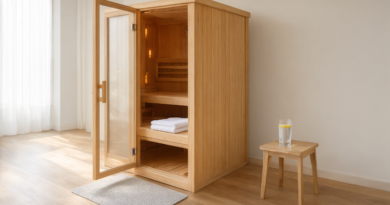
How to Deep Clean Your Home Infrared Sauna: A Step-by-Step Guide
Your infrared sauna works hard to deliver detoxifying, muscle-relaxing heat, but over time sweat, skin oils, and dust can build up on the wood and heaters, dulling performance and creating an environment where bacteria and odors thrive. A regular deep cleaning not only keeps the sauna smelling fresh and looking beautiful, it also protects the longevity of the electrical components and the integrity of the wood. Here’s exactly how to deep clean your home infrared sauna the right way, without damaging the materials or voiding your warranty.
Why Deep Cleaning Your Infrared Sauna Matters
Infrared saunas operate at lower temperatures than traditional steam saunas, typically between 120°F and 150°F, which means they don’t produce the same high-heat sterilization effect. That leaves more opportunity for sweat residue, dead skin cells, and bacteria to linger on benches, backrests, and floorboards. Over time, this buildup can lead to unpleasant odors, staining, and even degradation of the wood fibers. More importantly, a dirty sauna can become a breeding ground for mold and mildew, especially if the sauna is used frequently and not properly ventilated after each session.
From a performance standpoint, dust and grime can accumulate on the infrared heater panels, reducing their efficiency and forcing the sauna to work harder to reach your desired temperature. This not only shortens the lifespan of the heaters but can also increase your electricity usage. A clean sauna is a more efficient sauna, and it’s also a safer one: regular inspection during cleaning can catch loose wiring, cracked panels, or signs of overheating before they become serious hazards.
Background: The Rise of Home Infrared Saunas
Infrared saunas have surged in popularity over the past two decades as Americans seek convenient, low-maintenance wellness tools for their homes. Unlike traditional Finnish saunas that heat the air, infrared saunas use electromagnetic radiation in the far-infrared spectrum to directly heat the body, allowing for a more tolerable session at lower ambient temperatures. This technology has made saunas accessible to a wider demographic, including those who find traditional saunas too intense. With that accessibility comes a responsibility to maintain the unit properly, since the enclosed wooden cabin and electrical components require specific care to remain safe and effective.
How Infrared Sauna Heating Works
Infrared saunas use carbon or ceramic panels that emit far-infrared waves, which penetrate the skin and heat the body directly rather than heating the air around you. This mechanism means that sweat is produced more efficiently at lower temperatures, but it also means that the sweat drips directly onto the benches and floor without the high heat of a traditional sauna to evaporate it quickly. The panels themselves are often mounted on the walls and backrest, and they can accumulate a thin film of dust and body oils that insulates them and reduces their output. Understanding this helps explain why cleaning both the wood surfaces and the heater panels is essential for optimal performance.
Step-by-Step Deep Cleaning Routine
Before you begin, always consult your owner’s manual for any specific cleaning instructions or warnings. Some manufacturers recommend only certain types of cleaners, and using the wrong product can damage the wood or void your warranty. Never use harsh chemicals, bleach, or abrasive scrubbers on the interior of an infrared sauna. The following routine is a general guide that works for most cedar or hemlock interiors, but your manual should always take precedence.
1. Prepare the Sauna
- Turn off and unplug the sauna from the power source. If your sauna is hardwired, switch off the circuit breaker that supplies it.
- Allow the sauna to cool completely if it has been used recently.
- Remove any loose items: towels, headrests, backrests, floor mats, and removable benches if applicable.
- Open the door and any vents to ensure good airflow while you work.
- Gather your supplies: a vacuum with a soft brush attachment, two or three clean microfiber cloths, a bucket of warm water, a mild natural soap (such as a few drops of castile soap), a soft-bristle scrub brush, and a dry towel.
2. Vacuum Loose Debris
Use the soft brush attachment on your vacuum to gently remove dust, hair, and loose debris from all interior surfaces: walls, ceiling, benches, floor, and corners. Pay special attention to the gaps between boards and the areas around the heater panels. Avoid pressing too hard on the heater elements themselves, as they can be fragile. If your sauna has a floor drain or removable floor slats, vacuum beneath them as well.
3. Wipe Down Wood Surfaces
Mix a very small amount of mild soap into a bucket of warm water. Dampen a microfiber cloth in the solution, then wring it out thoroughly so it is just barely damp, not wet. Excess water can warp the wood or seep into electrical components. Wipe down all interior wood surfaces, including walls, ceiling, benches, and door. Work in small sections and follow the grain of the wood. Rinse the cloth frequently in clean water to avoid spreading grime. For stubborn sweat stains or body oil buildup, use a soft-bristle brush dipped in the soapy water and gently scrub the area. Avoid soaking the wood; if the surface becomes visibly wet, dry it immediately with a clean towel.
4. Clean the Heater Panels
Infrared heater panels should be cleaned with a dry or slightly damp cloth only. Do not spray any liquid directly onto the panels. Gently wipe the surface of each panel to remove dust and oils. If there is significant buildup, you can use a cloth dampened with plain water, but be sure to wring it out completely and avoid any moisture near the wiring or connections. Never use chemical cleaners on the heaters, as residue can emit fumes when heated. After cleaning, allow the panels to air dry completely before reconnecting power.
5. Clean the Floor
The floor of an infrared sauna takes the brunt of foot traffic and sweat drips. If your floor is made of the same wood as the walls, clean it with the same mild soap solution and a damp cloth. For removable floor slats, take them out and wipe each one down individually, then let them dry completely before reinstalling. If your sauna has a vinyl or composite floor, you can use a slightly stronger cleaner, but always check the manual first. Avoid using a mop or excessive water, as moisture can seep beneath the floor and cause mold.
6. Dry and Air Out
After cleaning, use a dry microfiber cloth to wipe down all surfaces and remove any residual moisture. Leave the sauna door open for at least an hour to allow the interior to dry completely. If possible, run a small fan pointed into the sauna to speed up drying. Never close the sauna up while it is still damp, as this invites mold and mildew growth. Once everything is dry, you can replace the removable parts and reconnect the power.
Weekly and Monthly Maintenance Tips
Deep cleaning doesn’t need to happen every week. A simple routine can keep your sauna in top shape between deep cleans.
- After every session: wipe down the bench and backrest with a dry towel to remove sweat before it dries.
- Weekly: vacuum the floor and benches, and wipe down high-touch areas like the door handle and control panel with a dry or slightly damp cloth.
- Monthly: inspect the heater panels for dust or discoloration, check the door seal for wear, and tighten any loose screws on benches or backrests.
- Every 3-6 months: perform the full deep cleaning routine described above, depending on frequency of use.
Regular cleaning is not just about aesthetics. A clean infrared sauna maintains its heating efficiency, reduces the risk of mold and bacteria, and extends the life of both the wood and the electrical components. Think of it as an investment in your health and your home.
Practical Safety Checklist
Before you start any cleaning or maintenance task, run through this quick safety checklist to protect yourself and your sauna.
- Always disconnect the power supply before cleaning any part of the sauna, including the heater panels.
- Never use abrasive cleaners, steel wool, or bleach on the wood or heaters.
- Keep water away from electrical connections, control panels, and heater wiring.
- If you notice any frayed wires, scorch marks, or unusual smells during cleaning, stop and consult a licensed electrician or qualified technician immediately.
When to Call a Professional
Most cleaning and routine upkeep is well within the DIY realm, but there are times when you should step back and call in an expert. If you notice any electrical issues—such as a heater panel that isn’t warming, a control panel that flickers, or a burning smell—do not attempt to repair it yourself. Electrical work on a sauna is not a DIY project. Always consult a licensed electrician or a qualified sauna technician, and follow all local electrical codes. Similarly, if you discover structural damage to the sauna frame, warped wood that affects the door seal, or signs of mold that have penetrated deep into the wood, a professional assessment is warranted. Your owner’s manual will list specific troubleshooting steps and contact information for authorized service providers.
Keeping Your Sauna Safe and Healthy for Years to Come
A clean infrared sauna is a safe and efficient sauna. By establishing a simple weekly wipe-down routine and committing to a thorough deep clean every few months, you protect your investment, your health, and your home. The wood will stay beautiful, the heaters will perform at their best, and you’ll be able to enjoy the full benefits of your sauna for many years. Remember that all cleaning products and methods should be verified against your owner’s manual, and any electrical concerns should be handled by a professional. This article is for informational purposes only and does not constitute professional maintenance advice.
Frequently Asked Questions
1. How often should I deep clean my infrared sauna?
For a sauna used two to three times per week, a deep clean every three to four months is usually sufficient. If you use it daily or sweat heavily, you may want to deep clean every two months. Always follow the schedule recommended in your owner’s manual.
2. Can I use vinegar to clean the wood inside my sauna?
A diluted white vinegar solution can be used on some sauna woods, but it’s best to check your manual first. Vinegar is acidic and may dull or discolor certain finishes. A mild castile soap and water solution is generally safer for cedar and hemlock.
3. What should I do if my sauna starts to smell musty?
A musty smell usually indicates trapped moisture or mildew. First, deep clean all surfaces with a mild soap solution and dry thoroughly. Leave the door open for several hours to air out. If the smell persists, inspect for hidden moisture under the floor or behind panels, and consider using a small dehumidifier in the room.
4. Is it safe to use essential oils in my infrared sauna?
Many owners enjoy adding a few drops of essential oil to a bowl of water or a diffuser inside the sauna, but never apply oils directly to the wood or heaters. Oils can stain the wood and create a residue on the heater panels. Check your manual for any restrictions on aromatherapy.
5. How do I clean the glass door of my sauna?
Use a glass cleaner that is ammonia-free, or a simple solution of warm water and a drop of mild dish soap. Spray the cleaner onto a cloth, not directly onto the glass, to avoid drips onto the wood. Wipe dry with a clean microfiber cloth for a streak-free finish.
6. Can I sand and refinish the wood inside my sauna?
Light sanding with fine-grit sandpaper can remove surface stains or rough spots, but this should be done sparingly and only on unfinished wood. If your sauna wood has a factory finish, sanding may void the warranty. Always consult the manufacturer before sanding or applying any new finish.
7. What is the best way to clean the heater panels?
Use a dry microfiber cloth to dust the panels regularly. For oily residue, lightly dampen the cloth with water and wring it out completely, then gently wipe the panel surface. Never spray water or cleaner directly onto the heaters, and always disconnect power first.
8. How do I prevent mold in my infrared sauna?
The best prevention is to wipe down benches and backrests after every use, leave the door open for 15-30 minutes after each session to air out, and deep clean regularly. Ensure the room where the sauna is located has good ventilation. If you live in a humid climate, consider a dehumidifier.
9. Can I use a steam cleaner inside my infrared sauna?
No. Steam cleaners introduce excessive moisture and heat that can damage the wood and electrical components. Stick to a damp cloth and mild soap for cleaning. Steam can also cause the wood to warp and may void your warranty.
10. What should I do if a heater panel stops working?
First, check your owner’s manual for troubleshooting steps, such as checking the power connection or resetting the control panel. If the panel still does not heat, do not attempt to repair it yourself. Contact a licensed electrician or qualified sauna technician to diagnose and fix the issue safely.
For more on low-EMF home infrared saunas and the models we offer, visit yardsauna.com.
This article is for informational purposes only and does not constitute professional maintenance advice. Always follow the manufacturer instructions, consult a licensed electrician or qualified technician for any electrical or structural work, and unplug the sauna before cleaning or servicing.
Some links in this article point to our product pages at yardsauna.com where you can explore our low-EMF infrared sauna models.