BEEM Light Therapy Studios: What Infrared Sauna Users Need to Know
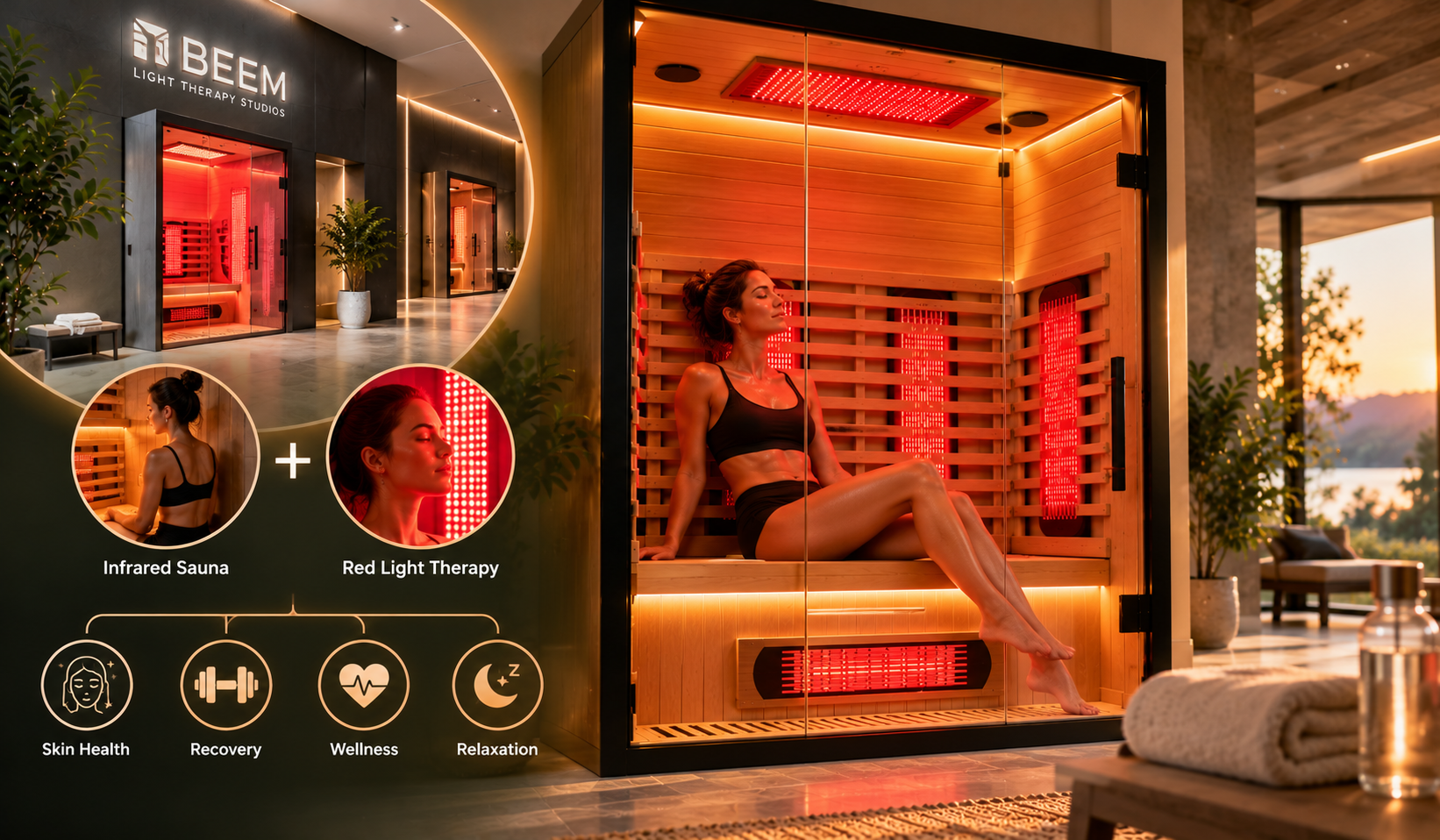
A new wave of recovery studios is pairing infrared saunas with private light therapy, and the concept is catching the attention of wellness enthusiasts across the country. BEEM, a light-based recovery studio concept, combines these two modalities in a single private session, promising a more immersive and convenient approach to heat and light-based wellness. For the millions of Americans who already use home infrared saunas, this news raises an important question: is this a passing trend, or does it signal a meaningful shift in how we think about at-home recovery?
Infrared saunas have long been a staple of home wellness routines, valued for their ability to deliver deep, penetrating warmth without the intense ambient heat of traditional saunas. Light therapy, particularly red and near-infrared light, has also gained traction as a complementary modality for skin health, muscle recovery, and overall vitality. By combining the two in a studio setting, BEEM is tapping into a growing desire for efficient, multi-modal recovery experiences. But what does this mean for the average homeowner who already has a sauna in the basement or garage? Let’s break it down.
What Is BEEM and What Does It Offer?
BEEM is a light-based recovery studio concept that integrates infrared sauna sessions with private light therapy. While the news item does not provide extensive operational details, the core idea is simple: clients can book a private room where they can use an infrared sauna and then receive targeted light therapy, all in one visit. This model is part of a broader trend in the wellness industry toward ‘stacking’ modalities—combining heat, light, cold, and compression to maximize perceived recovery benefits in a single session.
For home sauna users, BEEM represents a commercial validation of what many have been doing informally for years. Infrared sauna owners often experiment with adding red light panels, near-infrared bulbs, or even simple LED devices to their sauna routines. The rise of dedicated studios like BEEM suggests that the combination of infrared heat and light therapy is not just a niche hobby but a mainstream wellness practice with enough demand to support brick-and-mortar businesses.
The Science Behind Infrared and Light Therapy
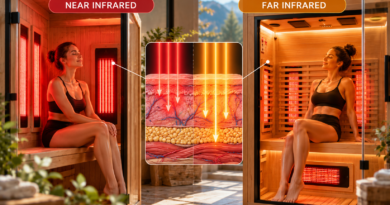
Infrared saunas use infrared emitters to heat the body directly, rather than heating the air around you. This allows for a more comfortable experience at lower temperatures—typically between 120°F and 140°F—compared to traditional saunas that often exceed 180°F. Many users report feeling deeply relaxed and rejuvenated after a session, and some research suggests that regular infrared sauna use may support cardiovascular health, muscle recovery, and stress reduction. However, it is important to note that these findings are suggestive, not definitive, and more research is needed.
Light therapy, particularly in the red and near-infrared spectrum, works on a different principle. These wavelengths are thought to penetrate the skin and interact with mitochondria, the energy-producing structures in cells. Some studies suggest that red light therapy may support skin health, reduce inflammation, and aid in muscle recovery. Again, the evidence is promising but not conclusive, and individual results can vary widely. When combined with infrared heat, the theory is that the two modalities may complement each other—heat increases blood flow, while light may enhance cellular energy production.
Why This Trend Matters for Home Sauna Owners
The emergence of BEEM and similar studios is significant for several reasons. First, it normalizes the idea of combining infrared sauna use with light therapy, which may encourage more home users to explore adding light panels or bulbs to their existing setups. Second, it highlights the growing consumer demand for private, personalized recovery experiences—something that home sauna owners already enjoy. Finally, it underscores the importance of low-EMF and high-quality components, a key concern for many home sauna buyers.
For those who already own a home infrared sauna, the BEEM model offers a useful blueprint. You do not need to visit a studio to replicate the experience; many sauna manufacturers now offer optional red light therapy panels that can be installed inside the sauna cabin. Alternatively, standalone light therapy devices can be used before or after a sauna session. The key is to understand your own goals and budget, and to choose equipment that meets safety and quality standards.
How to Incorporate Light Therapy Into Your Home Sauna Routine
If the BEEM concept appeals to you, there are practical ways to bring a similar experience into your own home. The following steps can help you get started without a major investment.
- Assess your current sauna setup. Check whether your infrared sauna has any built-in light therapy features or if there is space to add a panel. Some models come with chromotherapy lighting, which is different from red light therapy but can still enhance the ambiance.
- Choose a light therapy device. Look for a device that emits red light (around 660 nm) and/or near-infrared light (around 850 nm). These are the wavelengths most commonly studied for skin and muscle benefits. Ensure the device is safe for use in a warm, humid environment if you plan to use it inside the sauna.
- Start with short sessions. Begin with 10-15 minutes of light therapy, either during or immediately after your sauna session. Pay attention to how your body responds and adjust the duration accordingly.
- Maintain a consistent schedule. Many users find that 3-4 sessions per week provide the best balance of benefits and recovery time. Consistency is often more important than session length.
- Monitor your results. Keep a simple journal of how you feel after each session—energy levels, muscle soreness, skin appearance, and sleep quality. This will help you determine whether the combination is working for you.
Remember, the goal is not to replicate a commercial studio exactly, but to create a routine that fits your lifestyle and wellness goals. The beauty of a home sauna is that you have complete control over the experience.
Safety Considerations for Combined Modalities
While combining infrared heat and light therapy is generally considered safe for most people, there are a few precautions to keep in mind. First, avoid looking directly at bright light panels, especially if they emit near-infrared light, which is invisible but can still affect the eyes. Wear appropriate eye protection if recommended by the manufacturer. Second, stay hydrated—infrared saunas cause significant sweating, and adding light therapy may increase the overall physiological load. Third, if you have any medical conditions, are pregnant, or are taking photosensitizing medications, consult with a healthcare provider before starting a combined routine.
It is also worth noting that not all light therapy devices are created equal. Some inexpensive panels may not deliver the claimed wavelengths or intensity, and some may produce excessive heat or electromagnetic fields. For home sauna users who are concerned about EMF exposure, look for devices that are specifically marketed as low-EMF and have third-party testing data available.
The Bigger Picture: Wellness Trends and Home Recovery
The rise of BEEM is part of a larger shift in the wellness industry toward holistic, multi-modal recovery. From cold plunge tubs to compression boots to infrared saunas, consumers are increasingly seeking out tools that address multiple aspects of recovery—muscle, mind, and skin—in a single session. This trend is driven by a growing body of anecdotal evidence and early research suggesting that combining modalities may offer synergistic benefits, though rigorous clinical trials are still limited.
For home sauna owners, this trend is both validating and instructive. It validates the investment in a home sauna as a core recovery tool, and it instructs us to think beyond the sauna itself. Adding light therapy, whether through built-in panels or standalone devices, is a logical next step for those who want to maximize their at-home wellness routine. The key is to approach it with realistic expectations and a commitment to safety.
Many wellness practitioners now believe that the future of recovery lies in stacking modalities—heat, light, cold, and compression—rather than relying on any single tool. The BEEM model is a commercial expression of that philosophy, and home users can learn from it without leaving the house.
What Happens Next?
Looking ahead, we can expect several developments in this space. First, more home sauna manufacturers are likely to integrate red light therapy panels directly into their sauna cabins, making the combined experience seamless and convenient. Second, the market for standalone light therapy devices will continue to grow, with more options for home use at various price points. Third, we may see more research comparing the effects of infrared sauna alone versus infrared sauna plus light therapy, which could provide clearer guidance for consumers.
For now, the BEEM news serves as a useful reminder that home sauna users are ahead of the curve. By owning a sauna, you already have the foundation for a comprehensive recovery routine. Adding light therapy is simply a matter of personal preference and budget. As always, the best routine is the one you will actually stick with.
Frequently Asked Questions
1. What exactly is BEEM, and how does it relate to home saunas?
BEEM is a light-based recovery studio concept that combines infrared sauna sessions with private light therapy in a single visit. For home sauna users, it is a commercial example of a trend many have already embraced: pairing infrared heat with red or near-infrared light for a more comprehensive recovery experience.
2. Can I replicate the BEEM experience at home?
Yes, in most cases. If your infrared sauna does not have built-in light therapy, you can add a red light panel inside the cabin or use a standalone device immediately before or after your sauna session. The key is to choose a quality device that emits the appropriate wavelengths and is safe for use in a warm environment.
3. Is it safe to use light therapy inside an infrared sauna?
Generally, yes, as long as the device is designed for high-temperature or humid environments and you follow the manufacturer’s guidelines. Avoid looking directly at bright panels, stay hydrated, and consult a healthcare provider if you have any medical conditions or take photosensitizing medications.
4. What are the potential benefits of combining infrared sauna and light therapy?
Some research suggests that infrared heat may support cardiovascular health and muscle recovery, while red and near-infrared light may support skin health and reduce inflammation. Combining them may enhance blood flow and cellular energy production, but the evidence is still emerging and individual results vary.
5. Do I need a special sauna to add light therapy?
Not necessarily. Many infrared saunas can accommodate aftermarket light panels, either mounted on the wall or placed on a stand inside the cabin. Check your sauna’s dimensions and electrical capacity before purchasing. Some newer models come with integrated red light therapy as an option.
6. How long should a combined sauna and light therapy session last?
A typical session might include 20-30 minutes in the infrared sauna, followed by or overlapping with 10-15 minutes of light therapy. Start with shorter durations and adjust based on how you feel. Consistency over time is more important than any single long session.
7. Will adding light therapy increase my sauna’s energy consumption significantly?
Light therapy panels are generally low-wattage compared to sauna heaters, so the additional energy use is modest. However, if you add multiple panels or use them for extended periods, you may notice a slight increase in your electricity bill. Check the device’s power rating before buying.
8. Are there any risks or side effects I should be aware of?
Most people tolerate combined infrared and light therapy well, but some may experience mild fatigue, headache, or skin redness after a session. These effects are usually temporary. If you have a history of light sensitivity, lupus, or are taking certain medications, consult your doctor first.
9. How much does it cost to add light therapy to a home sauna?
Costs vary widely. A basic red light therapy panel can cost anywhere from $100 to $500, while high-end, full-spectrum panels may exceed $1,000. Built-in sauna light therapy options typically add several hundred dollars to the purchase price. Consider your budget and how often you plan to use it.
10. Is the BEEM trend just a fad, or is it here to stay?
While the specific brand may come and go, the underlying trend of combining heat and light for recovery is likely to persist. As more research emerges and home devices become more affordable, expect this modality pairing to become a standard feature in both studios and home saunas.
This article is for informational purposes only and does not constitute medical advice. Always consult with a qualified healthcare professional before starting any new wellness routine, especially if you have pre-existing health conditions.
For more on low-EMF home infrared saunas and the models we offer, visit yardsauna.com.
This article is for informational purposes only and does not constitute medical advice. Always consult a qualified healthcare provider before starting any new wellness routine, especially if you have pre-existing conditions or are pregnant.