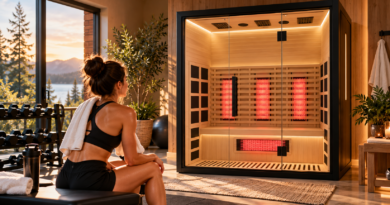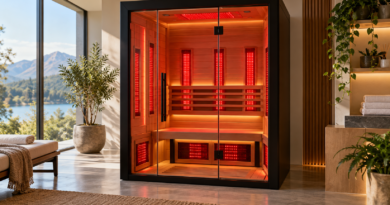
Amazon’s Sub-$3K Infrared Sauna: What It Means for Home Wellness
Amazon is now selling an infrared sauna for under $3,000, according to a recent People.com feature. That price point puts full-size infrared cabins within reach of far more American households than the $4,000 to $10,000 luxury models that have dominated the market. For wellness-minded homeowners, the news raises a practical question: does a budget infrared sauna deliver the same heat therapy experience, or are there hidden trade-offs?
The listing highlighted by People.com is part of a broader shift in the home sauna market. Over the past two years, direct-to-consumer brands and Amazon marketplace sellers have driven down prices by simplifying cabin designs, using more affordable wood species, and sourcing lower-cost infrared emitters. The result is a growing category of sub-$3,000 infrared saunas that promise low-EMF heating, red light therapy, and Bluetooth audio, features that were once reserved for premium models. For readers who have been waiting to add heat therapy to a home gym, spare room, or garage, this news signals that the entry barrier is lower than ever.
Why a Sub-$3K Infrared Sauna Matters
Infrared saunas have long been associated with high upfront costs. Traditional full-spectrum cabins from well-known wellness brands often start around $4,000 and can exceed $10,000 with custom wood and advanced controls. That pricing has kept infrared therapy out of reach for many people who could benefit from regular heat sessions. A sub-$3,000 option changes the math. It means a homeowner can install a real wooden infrared cabin for roughly the cost of a mid-range treadmill or a premium massage chair.
The practical impact goes beyond the purchase price. Lower-cost infrared saunas tend to ship in flat-pack panels that one or two people can assemble in under two hours. They plug into a standard 120-volt outlet in many cases, avoiding the need for an electrician. And because they are sold through Amazon, buyers have access to customer reviews, return policies, and often free delivery. For wellness readers who value convenience and transparency, those factors matter as much as the price tag.
What You Actually Get at This Price
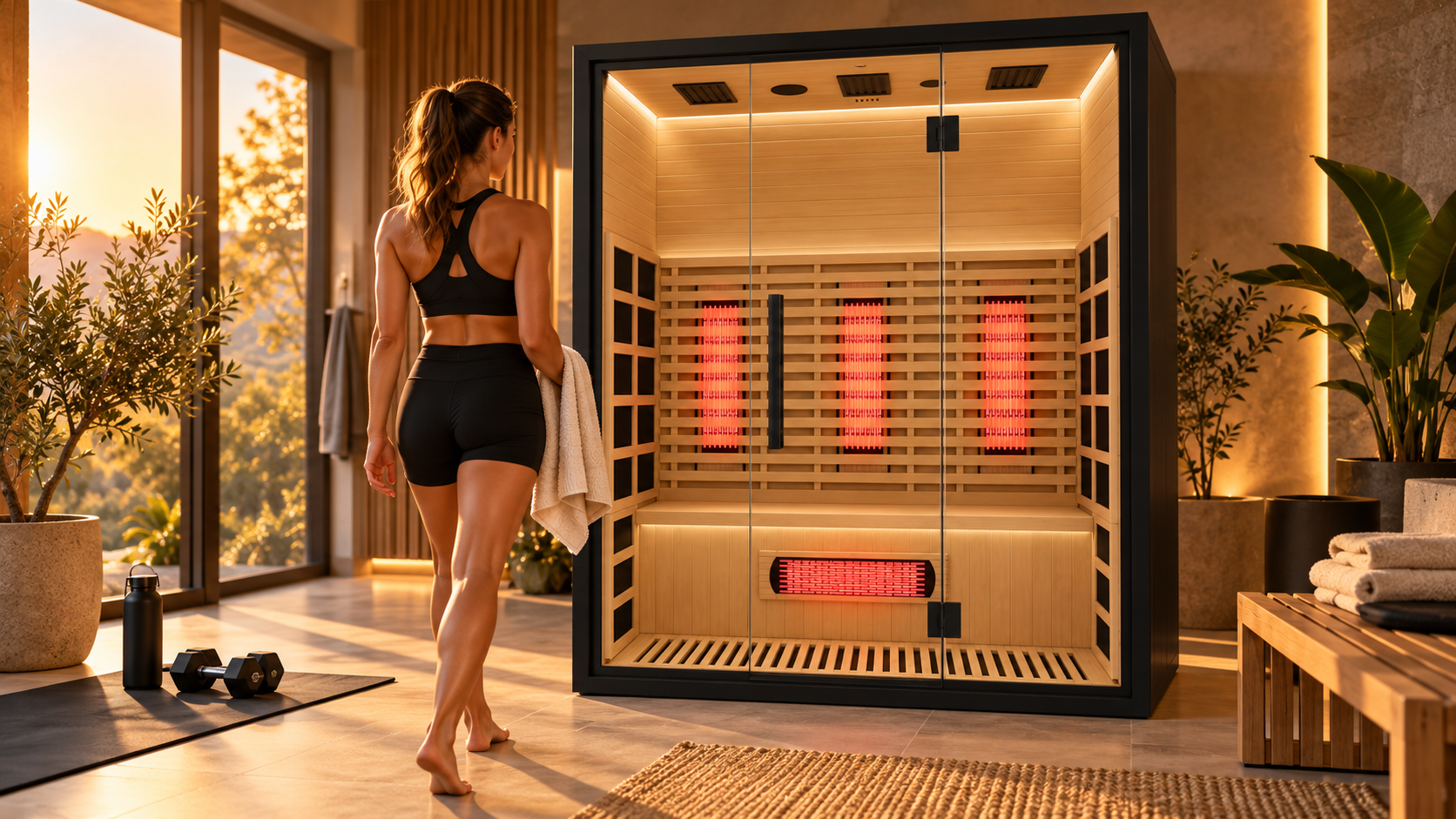
At the sub-$3,000 level, buyers typically receive a two-person infrared cabin made from Canadian hemlock or a similar softwood. The heating system usually consists of carbon fiber or ceramic infrared panels positioned on the back, sides, and sometimes the calf area. Many models include chromotherapy lighting, a built-in sound system, and a simple digital control panel. Some also add red light therapy panels, which operate at wavelengths around 660 nanometers and 850 nanometers. These are the same wavelengths used in standalone red light devices, but integrated into the sauna walls.
What you do not get at this price is app-based control, premium wood finishes, or the refined fit and finish of a $6,000 cabin. The wood may have visible knots or slight gaps at the seams. The control panel is usually a basic LED display rather than a touchscreen. The Bluetooth speaker may be adequate but not audiophile-grade. None of these shortcomings affect the core function of raising body temperature and inducing a sweat, but they are worth knowing before you buy.
Low-EMF Claims and What They Mean
One of the most common marketing claims on budget infrared saunas is low EMF, or low electromagnetic field emissions. In practice, this means the manufacturer has routed wiring and shielded heating panels to reduce the magnetic fields that can be produced by electrical resistance heating. Independent testing of several sub-$3,000 models has shown EMF readings in the single-digit milligauss range at the seating position, which is comparable to many premium brands. However, not all budget saunas are tested by third parties, so a low-EMF label alone is not a guarantee. Buyers should look for models that publish EMF test results or offer a certificate of compliance.
What the News Means for Home Sauna Buyers
For anyone who has been researching home saunas, the People.com article is a signal that the market has matured. Infrared technology is no longer a luxury novelty. It is a commodity product with enough competition to push prices down without sacrificing the basic health-supporting features. That is good news for consumers, but it also means buyers need to be more discerning. A low price can hide cheap construction, weak heating elements, or misleading specifications.
The key is to focus on the heating system, not the extras. A sauna with fewer LED lights and no Bluetooth speaker but stronger, better-distributed infrared panels will always outperform a flashy model with weak heat. Look for a cabin that reaches at least 120 degrees Fahrenheit at chest height within 30 to 40 minutes. Check the wattage of the heating panels; a two-person infrared sauna should draw at least 1,500 to 2,000 watts to heat effectively. And confirm that the panels are placed on all sides of the body, not just the back.
Many users report that a well-built budget infrared sauna can deliver a sweat session comparable to models costing twice as much, provided the heating panels are properly sized and positioned.
Safety and Installation Considerations
Infrared saunas operate at lower ambient temperatures than traditional steam saunas, typically between 120 and 150 degrees Fahrenheit. That lower heat makes them more tolerable for longer sessions and reduces the risk of burns from hot surfaces. Still, standard safety practices apply. Keep the sauna on a level, non-flammable surface. Leave at least six inches of clearance around the cabin for ventilation. Plug the unit directly into a grounded outlet rather than an extension cord. And always follow the manufacturer’s guidance on session length and hydration.
Installation of a flat-pack infrared sauna is straightforward but not effortless. The panels are heavy, and aligning the interlocking edges takes patience. Most buyers can complete assembly in 60 to 90 minutes with a second person. No special tools are required beyond a screwdriver and possibly a rubber mallet. Once assembled, the sauna should be left to off-gas for a few hours before the first use, as the wood and adhesives can release a mild odor initially.
How to Evaluate a Budget Infrared Sauna
If you are considering a sub-$3,000 infrared sauna, a systematic evaluation will help you avoid a costly mistake. Start with the heating technology. Carbon fiber panels heat up faster and distribute heat more evenly than older ceramic tubes, but both can work well if the wattage is sufficient. Next, look at the wood. Canadian hemlock is the most common choice because it is lightweight, durable, and relatively low in resin. Avoid saunas made from particle board or MDF, which can warp and off-gas under heat.
Then consider the EMF rating. Reputable brands will state their EMF levels in milligauss at a specific distance, usually four inches from the panel surface. A reading under 10 milligauss is generally considered low. Finally, read the reviews with a critical eye. Look for comments about heat-up time, panel placement, and long-term durability. A sauna that takes 45 minutes to reach 110 degrees is underpowered, no matter how many five-star reviews it has.
- Check total wattage: at least 1,500W for a two-person cabin.
- Verify panel placement: back, sides, and ideally calf or foot area.
- Look for published EMF test results, not just a low-EMF label.
- Confirm the wood species: solid hemlock, cedar, or basswood, never MDF.
- Read reviews for heat-up time and consistent temperature reports.
A Simple Pre-Purchase Checklist
- Measure your available space, including ceiling height and door clearance.
- Confirm the electrical requirements: 120V vs. 240V, and outlet proximity.
- Compare heating panel wattage and distribution across two or three models.
- Check the return policy and warranty length; look for at least a one-year warranty.
- Watch or read an independent review that shows the sauna actually heating up.
What Happens Next in the Market
The sub-$3,000 infrared sauna category is likely to grow. As more manufacturers enter the space, prices may dip even further, but so could build quality. Expect to see more models with hybrid heating, combining infrared panels with red light therapy and even small steam generators. Smart features like app timers and temperature scheduling will trickle down from premium brands. At the same time, regulatory scrutiny of EMF claims and wood sourcing may increase, which would benefit consumers by forcing more transparency.
For now, the practical takeaway is that a home infrared sauna is no longer a five-figure investment. A careful buyer can get a safe, effective, low-EMF cabin for under $3,000 and enjoy the same core experience as a luxury model. The trade-offs are cosmetic and convenience-based, not functional. That is a meaningful shift for anyone building a home wellness routine on a real-world budget.
Video walkthrough: comparing budget infrared saunas on camera
An independent video review ranks five Amazon infrared saunas from most to least expensive, with hands-on testing over several weeks. The reviewer explains the three main types of home saunas, steam, infrared, and red light therapy, and why buying the wrong one is a common mistake. The top-ranked model in the budget range is a wooden infrared cabin around $1,000 with Canadian hemlock construction, low-EMF panels, red light therapy, chromotherapy lighting, and Bluetooth speakers. The video notes that setup takes about an hour and the cabin reaches temperature in roughly 30 minutes. The main trade-offs at this price are the lack of app control, a less refined wood finish, and a basic physical control panel. The reviewer emphasizes that the heating performance is consistent and the red light wavelengths are accurate, making it a strong value compared to $4,000 luxury brands.
Beyond the top pick, the video cautions against confusing cheap steam tents with true infrared cabins. Amazon listings often use similar stock photos and review badges, but the technology and experience are completely different. The reviewer stresses that a poorly chosen sauna can end up as an expensive clothes rack. The key takeaway is to know which type of sauna you actually need before spending money, and to prioritize heating quality over flashy extras.
Closing Summary: A More Accessible Path to Heat Therapy
The People.com report on Amazon’s sub-$3,000 infrared sauna is more than a shopping headline. It reflects a real shift in the home wellness market, one that puts regular infrared heat therapy within reach of a much wider audience. For years, the conversation around home saunas has been dominated by premium brands and luxury price tags. Now, a practical, well-built infrared cabin can be delivered to your door for less than the cost of a family vacation.
That does not mean every budget sauna is a good buy. The same market forces that lower prices also invite low-quality imitators. The smart approach is to focus on the fundamentals: heating power, panel placement, wood quality, and verified EMF levels. If those boxes are checked, a sub-$3,000 infrared sauna can support a consistent wellness routine for years. This article is for informational purposes only and does not constitute medical advice.
Frequently Asked Questions
1. What does this news mean for home sauna users?
It means that a full-size infrared sauna is now available for under $3,000 on Amazon, which is significantly less than the $4,000 to $10,000 price range of many premium brands. For current sauna users, it validates that infrared technology has become more affordable without losing core functionality. For new buyers, it lowers the barrier to entry for at-home heat therapy.
2. Will a sub-$3,000 infrared sauna heat as well as an expensive one?
In many cases, yes. The heating performance depends on the wattage and placement of the infrared panels, not the price tag. A budget model with 1,500 to 2,000 watts of well-distributed panels can reach 120 to 140 degrees Fahrenheit and produce a strong sweat. The differences are usually in wood finish, app features, and build refinement, not heat output.
3. Are budget infrared saunas safe to use at home?
When installed and used according to the manufacturer’s instructions, budget infrared saunas are generally safe. They operate at lower temperatures than traditional steam saunas, which reduces burn risk. Standard precautions include using a grounded outlet, keeping clearance around the cabin, and staying hydrated during sessions.
4. What does low EMF mean in an infrared sauna?
Low EMF refers to reduced electromagnetic field emissions from the heating panels and wiring. Manufacturers achieve this through shielding and careful cable routing. A low-EMF label is helpful, but buyers should look for models that publish actual milligauss readings at a specific distance, ideally under 10 milligauss at four inches from the panel.
5. How long does it take to assemble a budget infrared sauna?
Most flat-pack infrared saunas take between 60 and 90 minutes to assemble with two people. The panels bolt together without special tools, though a rubber mallet can help seat the interlocking edges. After assembly, the sauna should be left to off-gas for a few hours before first use.
6. Can I put a sub-$3,000 infrared sauna in my garage or basement?
Yes, as long as the space is dry, level, and has access to a grounded outlet. Garages and basements are common locations. Avoid placing the sauna on carpet, as the floor can trap moisture and heat. A hard, non-flammable surface like concrete, tile, or a dedicated sauna mat is best.
7. What is the difference between infrared and red light therapy in a sauna?
Infrared saunas use broad-spectrum infrared light to heat the body directly, raising core temperature and inducing sweat. Red light therapy uses specific wavelengths, typically 660nm and 850nm, that research suggests may support skin health and muscle recovery. Some saunas include both, but they serve different purposes.
8. Do I need a dedicated electrical circuit for a budget infrared sauna?
Most two-person infrared saunas under $3,000 run on a standard 120-volt, 15-amp household circuit. However, the sauna should be the only major appliance on that circuit during use. Check the manufacturer’s specifications, as some larger models may require a 20-amp circuit or a 240-volt connection.
9. How often should I use an infrared sauna for wellness benefits?
Many users report benefits from three to four sessions per week, with each session lasting 20 to 40 minutes. There is no universally agreed-upon frequency, and individual tolerance varies. Start with shorter sessions at lower temperatures and gradually increase as your body adapts.
10. What should I look for in customer reviews before buying?
Focus on reviews that mention heat-up time, temperature consistency, panel placement, and long-term durability. Be wary of reviews that only praise the Bluetooth speaker or LED lights. A pattern of complaints about weak heat, warped wood, or failed panels is a red flag, regardless of the overall star rating.
For more on low-EMF home infrared saunas and the models we offer, visit yardsauna.com.
This article is for informational purposes only and does not constitute medical advice. Always consult a qualified healthcare provider before starting any new wellness routine, especially if you have pre-existing conditions or are pregnant.