S-Shaped Sauna Backrests: Comfort and Support for Home Infrared Saunas
If you own a home infrared sauna, you know that the bench can make or break a session. A simple S-shaped backrest can transform your experience by keeping your back off the hot wood and supporting your spine in a more natural position. Many owners say this small addition is the single most noticeable upgrade they make to their sauna.
What Are S-Shaped Sauna Backrests?
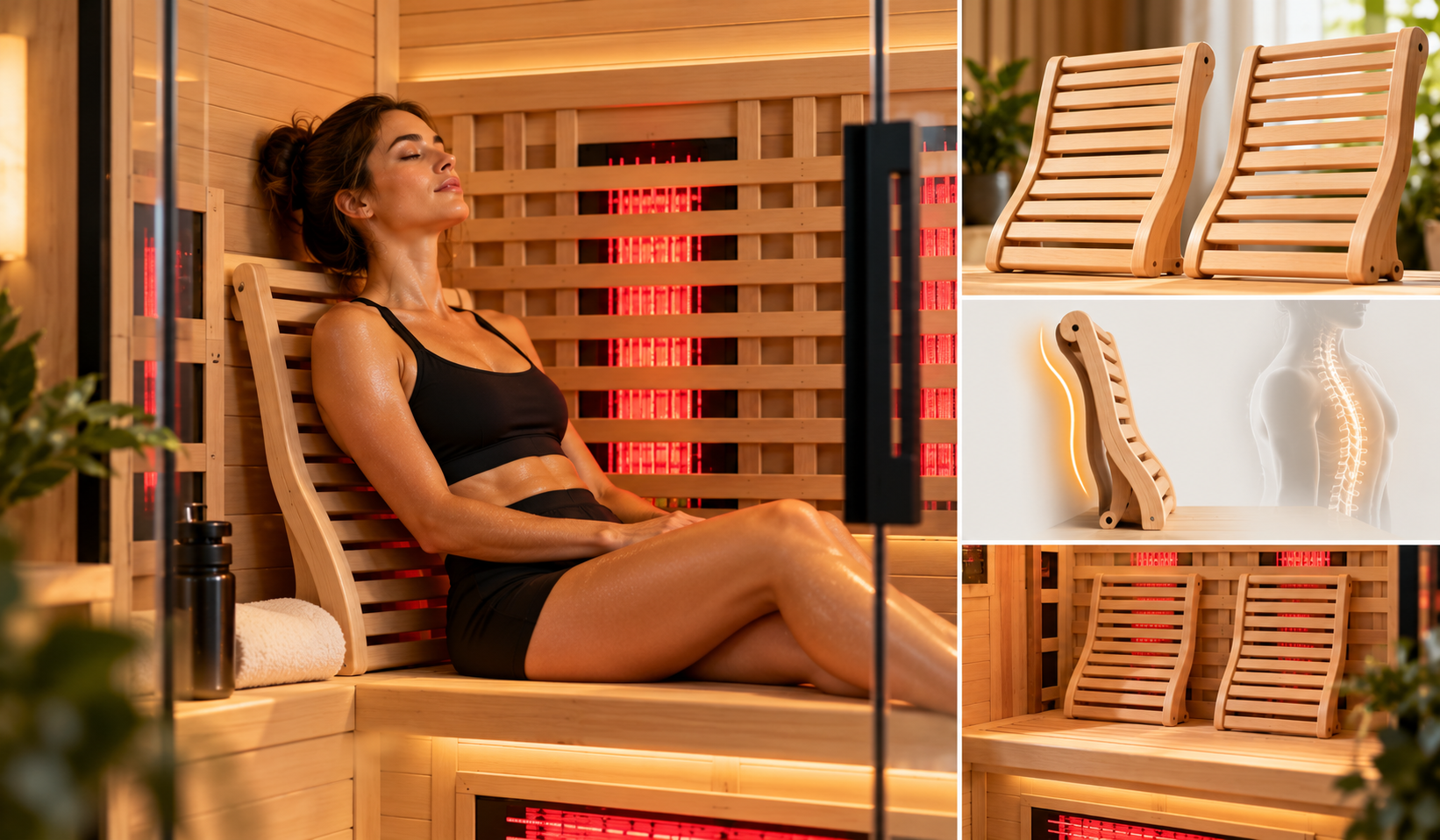
An S-shaped sauna backrest is a contoured support piece designed to sit on the sauna bench behind you while you recline. Unlike flat backrests, the gentle S-curve follows the natural lumbar and thoracic curve of the spine, reducing pressure points and allowing your back muscles to relax. They are typically sold in pairs and are intended for use in both traditional and infrared saunas, though infrared owners often find them especially useful because the bench surface can become quite warm during longer sessions.
These backrests are made from a variety of materials, but the most common are cedar, hemlock, or aspen wood, often with a smooth, sanded finish. Some models include a slight angle or a built-in headrest contour. The key feature is the curved profile, which lets you lean back without your spine pressing directly against the flat bench or wall.
Why the S-Curve Matters
The human spine is not straight; it has a natural S-shape when viewed from the side. A flat backrest forces the spine into an unnatural position, which can lead to stiffness or discomfort after just a few minutes. An S-shaped backrest supports the lumbar region and allows the shoulders to relax backward, mimicking the position of a well-designed ergonomic chair. This is particularly valuable in a sauna, where heat already encourages muscle relaxation and you want to avoid any unnecessary tension.
Materials and Heat Tolerance
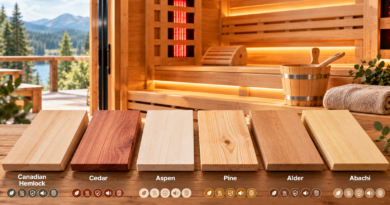
Wood is the standard material for sauna backrests because it remains comfortable against bare skin even at high temperatures. Softwoods like cedar and hemlock are preferred because they do not get as hot as hardwoods and they resist warping in the humid, hot environment of a sauna. Some backrests are made from thermo-treated wood or bamboo, which can offer additional durability. Always check the manufacturer’s specifications for maximum temperature tolerance and moisture resistance before buying.
How to Choose the Right Backrest for Your Sauna
Not all backrests fit all saunas. The bench depth, wall angle, and available clearance all affect whether a particular backrest will work. Before purchasing, measure the depth of your bench and the height of the back wall. Most S-shaped backrests are designed to sit on a bench that is at least 18 inches deep, but some compact models require less. The backrest should not extend beyond the front edge of the bench, and it should not press against the wall so firmly that it blocks ventilation or heater airflow.
Compatibility Checklist
- Bench depth: measure from the front edge to the wall; ensure the backrest base fits without overhang.
- Wall clearance: check that the backrest does not touch the heater or any protruding panels.
- Weight capacity: some backrests are rated for up to 300 pounds; verify this matches your needs.
- Material compatibility: avoid treated woods or finishes that might off-gas at high heat; stick to untreated, kiln-dried softwoods.
- Number of users: if two people use the sauna simultaneously, you may need two backrests, but ensure they can be placed side by side without crowding.
Always consult your sauna owner’s manual for any restrictions on accessories. Some manufacturers specify that no aftermarket items should be placed on the bench, while others provide recommended dimensions for add-ons.
Step-by-Step: Installing and Using Your Backrest
- Clean the bench surface with a dry cloth to remove any dust or oils.
- Position the backrest so the curved side faces your back and the flat base sits flush on the bench.
- Adjust the angle if the backrest has a reversible design; some can be flipped for a slightly different recline.
- Sit down and lean back slowly to test the fit; your lower back should feel supported, not pushed forward.
- If the backrest slides, place a thin, heat-resistant silicone mat underneath (check that it is rated for sauna temperatures).
- After each session, remove the backrest and let it air dry completely before storing.
Benefits and Trade-Offs
The primary benefit of an S-shaped backrest is improved comfort during longer sessions. By keeping your back off the hot bench and wall, it reduces skin contact with heated surfaces, which can be especially helpful in infrared saunas where the bench itself may become warm. The contoured shape also promotes better posture, which many owners find reduces post-session stiffness.
A well-fitted backrest can turn a 20-minute sauna session from something you endure into something you genuinely look forward to. The difference in spinal support is immediate.
However, there are trade-offs. A backrest takes up bench space, which matters in compact 1-2 person saunas. It also adds another item to clean and maintain. Some backrests are heavier than expected, making them awkward to move in and out. And if the backrest is too tall, it may interfere with the upper back or neck position, especially for shorter users. As with any accessory, fit is everything.
How the S-Curve Works
The S-shaped profile works by redistributing pressure along the spine. When you lean back, the curve supports the lumbar lordosis (the inward curve of the lower back) and allows the thoracic kyphosis (the outward curve of the upper back) to relax. This reduces the load on the intervertebral discs and lets the paraspinal muscles release tension. In a heated environment, where blood flow is already increased, this mechanical support can enhance the overall feeling of relaxation.
Practical Safety Checklist
- Inspect the backrest for splinters or cracks before each use; sand any rough spots immediately.
- Never place a backrest near the heater or in a position that blocks air intake or exhaust vents.
- If the backrest becomes discolored or warped, discontinue use until you can verify it is still structurally sound.
- Do not use cleaning chemicals on the backrest; wipe with a damp cloth and allow to air dry.
- Check the manufacturer’s weight rating and do not exceed it.
Background: The Evolution of Sauna Seating
Traditional Finnish saunas have always featured simple wooden benches, often with a slight backward tilt built into the wall. The idea of a separate, contoured backrest is a relatively modern addition, driven by the popularity of home infrared saunas, which often have flat, vertical back walls. Early adopters improvised with rolled towels or small pillows, but those absorbed moisture and became unhygienic. The S-shaped wooden backrest emerged as a purpose-built solution that could withstand heat, resist moisture, and provide ergonomic support without the need for fabric or foam.
Today, S-shaped backrests are a common aftermarket accessory for both infrared and traditional saunas. They are generally inexpensive, easy to install, and require no tools. Most are made from the same wood species as the sauna interior, so they blend in visually.
Video Walkthrough: A Closer Look at S-Shaped Sauna Backrests
In this short on-camera walkthrough, a sauna owner shows the only accessory she keeps inside her infrared sauna: a pair of S-shaped backrests. She explains that they are high quality and make a noticeable difference when relaxing. The backrests keep your back off the infrared heat, which she describes as super comfortable. She also points out that they do not slide on the bench, and she believes they can hold up to 300 pounds. The backrests have a slight S-curve, and she finds them comfortable no matter which way you set them up. The key takeaway is that a simple contoured backrest can significantly improve the comfort of a home sauna session.
Closing Summary: Everyday Comfort and Safety
An S-shaped sauna backrest is a low-cost, low-risk upgrade that can make your home sauna sessions noticeably more comfortable. By supporting the natural curve of your spine and keeping your back away from heated surfaces, it addresses two of the most common complaints among infrared sauna owners: bench heat and poor posture. As with any accessory, the most important step is to verify fit and compatibility with your specific sauna model. Measure your bench, check the owner’s manual, and choose a backrest made from untreated, heat-tolerant wood. This article is for informational purposes only and does not constitute professional buying advice.
Frequently Asked Questions
1. What accessories do I actually need for my sauna?
Most sauna owners need only a few basics: a backrest, a headrest or pillow, a towel, and perhaps a thermometer or timer. A backrest is often the first upgrade because it directly affects comfort. Beyond that, accessories like aroma diffusers or salt lamps are optional and depend on personal preference.
2. How do I know an accessory fits my model?
Measure the interior dimensions of your sauna, especially bench depth and wall height, and compare them to the accessory’s listed dimensions. Check your owner’s manual for any restrictions on aftermarket items. If possible, contact the accessory manufacturer with your sauna’s model number for a compatibility check.
3. Can I use a backrest in an infrared sauna?
Yes, backrests are commonly used in infrared saunas. They keep your back off the warm bench and wall, which many owners find more comfortable. Just make sure the backrest does not block any infrared emitters or ventilation openings.
4. What is the best material for a sauna backrest?
Untreated softwoods like cedar, hemlock, or aspen are best because they resist heat and moisture and do not get too hot against bare skin. Avoid any wood with a finish, stain, or sealant that could off-gas at high temperatures.
5. How do I clean and maintain a wooden backrest?
Wipe it down with a damp cloth after each use and let it air dry completely. Do not use chemical cleaners or oils. If the wood becomes rough, lightly sand it with fine-grit sandpaper. Inspect regularly for cracks or warping.
6. Will a backrest slide on the bench?
Some backrests are designed with non-slip feet or a textured base, but many rely on their own weight and the angle of the bench. If yours slides, you can place a thin, heat-resistant silicone mat underneath, but verify that the mat is rated for sauna temperatures.
7. How much weight can a sauna backrest hold?
Weight capacities vary by model. Some are rated for up to 300 pounds, but you should always check the manufacturer’s specifications. Exceeding the weight limit can cause the backrest to crack or fail.
8. Can I use a backrest in a traditional steam sauna?
Yes, wooden backrests work in both traditional and infrared saunas. In a steam sauna, the higher humidity may cause the wood to expand and contract more, so choose a backrest made from a moisture-resistant wood like cedar or hemlock.
9. Do I need two backrests for a two-person sauna?
Not necessarily. If you and another person sit side by side, you may each want your own backrest for independent comfort. However, some two-person benches are wide enough to share one backrest placed in the center. Measure your bench width and consider how you typically sit.
10. Are there any safety concerns with sauna backrests?
The main concerns are fit and material. A backrest that is too tall or too deep can force you into an awkward position or interfere with the heater. A backrest made from treated wood or with a finish could release fumes when heated. Always choose untreated, kiln-dried wood and follow the manufacturer’s installation guidelines.
11. How long do wooden backrests last?
With proper care, a quality wooden backrest can last for many years. The lifespan depends on the wood species, frequency of use, and how well it is dried between sessions. Cedar and hemlock are naturally rot-resistant and tend to last longer than softer woods.
12. Can I make my own sauna backrest?
Yes, if you have basic woodworking skills, you can shape a piece of cedar or hemlock into an S-curve. However, achieving a comfortable contour requires careful shaping and sanding. For most owners, buying a pre-made backrest is simpler and more reliable.
For more on low-EMF home infrared saunas and the models we offer, visit yardsauna.com.
This article is for informational purposes only and does not constitute professional buying advice. Product specifications, compatibility, and availability vary by sauna model and change over time – always verify current details directly with manufacturers or retailers before making a purchase.