Best Indoor Infrared Sauna with Red Light Therapy 2026: What Home Users Need to Know
A fresh 2026 roundup from The Good Men Project has put indoor infrared saunas with integrated red light therapy back in the wellness spotlight. The guide, which ranks the best models for home use, arrives as more Americans look for convenient recovery tools that combine heat therapy with targeted light exposure. For anyone weighing a purchase, the timing matters: manufacturers are now pairing low-EMF infrared panels with medical-grade red and near-infrared wavelengths in compact one-to-four-person enclosures.
What the 2026 Guide Actually Says
The Good Men Project piece, published in early September 2026, is not a clinical study but a practical buyer’s guide. It evaluates indoor infrared saunas that include red light therapy as a built-in feature, rather than as a separate panel or handheld device. The guide emphasizes three criteria: build quality, wavelength output, and ease of home installation. It also notes a growing preference for models that keep electromagnetic field (EMF) levels low, a concern that has shaped the home sauna market over the past several years.
Why Red Light Therapy Is Being Bundled Into Saunas
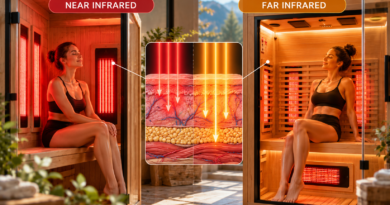
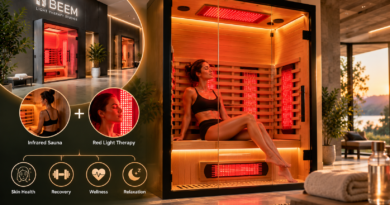
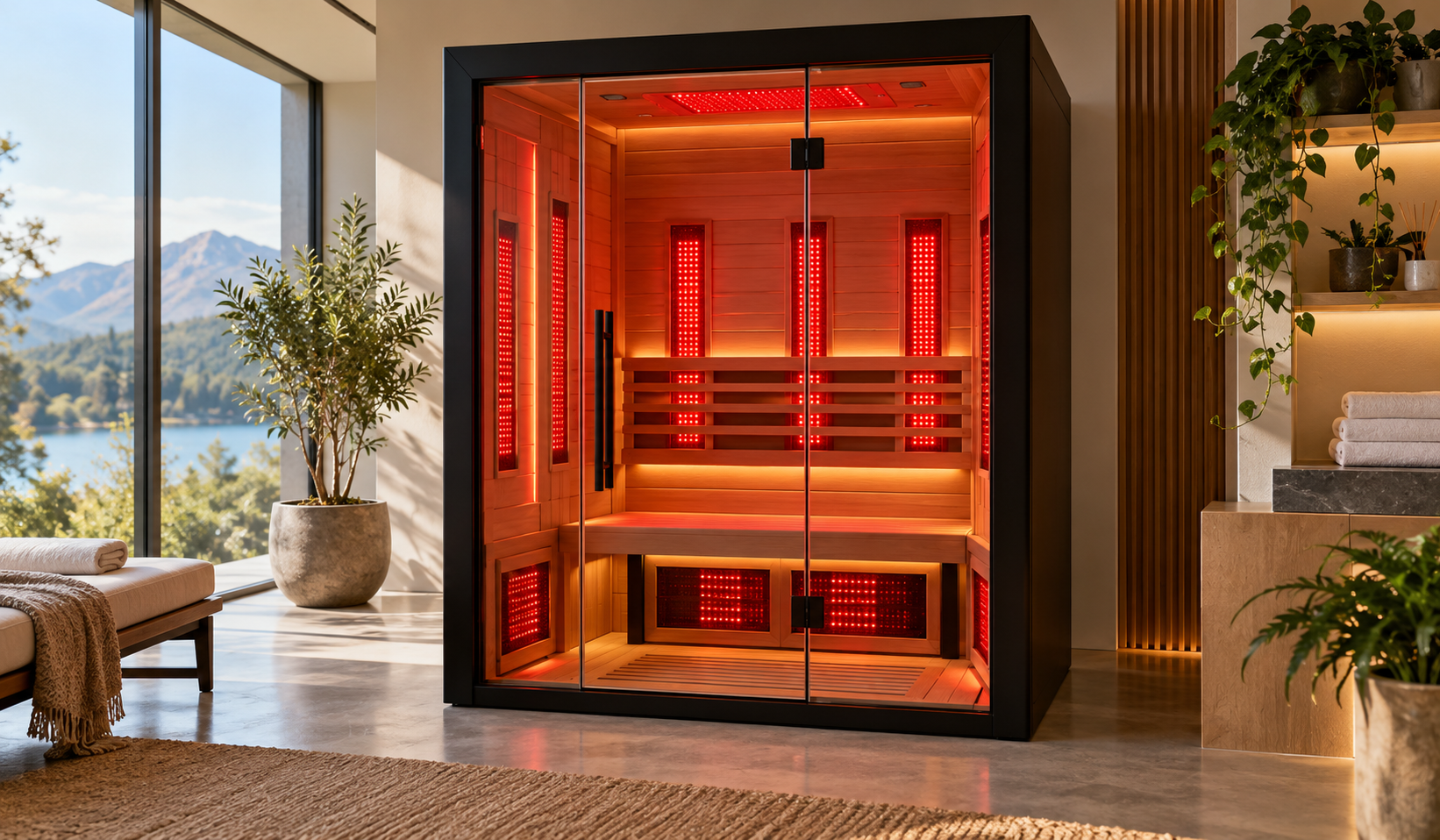
Red light therapy has been studied for its potential to support skin health, muscle recovery, and cellular energy production. When combined with the deep heat of an infrared sauna, the theory is that users get a broader spectrum of light exposure in a single session. Some research suggests that red and near-infrared wavelengths may influence mitochondrial function, though the evidence is still developing. Manufacturers have responded by embedding LED arrays into the walls or ceilings of sauna cabins, allowing users to sit or recline while receiving both heat and light.
What Separates a Good Combo Unit from a Gimmick
Not all red light saunas are equal. The 2026 guide points to three practical markers: the number of LEDs and their irradiance, the sauna’s temperature range, and whether the red light can be used independently of the heat. A well-designed unit should let you run red light therapy alone, which adds flexibility for shorter sessions. The guide also warns against models that place red light panels only on the back wall, which can create uneven coverage for two-person or larger cabins.
Why This Matters for Home Sauna Users
For the typical American homeowner, the appeal of a combined unit is space and time efficiency. A dedicated red light panel requires its own footprint, power outlet, and session schedule. An integrated sauna removes that friction. The 2026 guide suggests that buyers are increasingly willing to pay a premium for this convenience, with mid-range combo units now priced competitively against high-end standalone saunas.
Background: The Shift Toward Multi-Modal Recovery
The idea of combining heat and light is not new, but it has gained momentum as wellness tech has moved into the home. Early infrared saunas focused solely on heat, with far-infrared emitters dominating the market. Around 2020, red light therapy panels became popular as separate devices, often used for facial or targeted treatment. The logical next step was integration. By 2026, several established sauna brands had introduced models with full-spectrum infrared heaters plus dedicated red and near-infrared LED arrays, and the Good Men Project guide reflects that maturation.
What Happens Next
Expect more manufacturers to follow suit, especially as consumer awareness of red light therapy grows. The guide predicts that the next wave of combo saunas will include app-controlled light intensity, lower EMF certifications, and better heat distribution. Another likely development is the introduction of smaller one-person units with red light therapy, aimed at apartment dwellers and smaller homes. Keep an eye on third-party testing for EMF and light output, which remains inconsistent across the industry.
Practical Considerations Before You Buy
If you are considering an indoor infrared sauna with red light therapy, the 2026 guide offers a sensible checklist. First, measure your available space and confirm the electrical requirements. Most one-to-four-person saunas need a dedicated 15- or 20-amp circuit. Second, verify the red light wavelengths. Effective red light therapy typically uses 630-660 nanometers for skin-level benefits and 810-850 nanometers for deeper tissue. Third, ask about EMF levels. Reputable brands now publish third-party EMF readings, often below 3 milligauss at the seating position.
Benefits Users Commonly Report
- Convenient single-session heat and light exposure without extra equipment
- Potential support for post-workout muscle recovery and relaxation
- Lower ambient EMF compared with older sauna models
- Flexible sessions: heat only, light only, or both together
- Compact footprint that fits a spare room, garage, or basement
A Simple Weekly Routine
- Start with two to three sessions per week, each lasting 15 to 20 minutes.
- Hydrate before and after each session; keep water nearby.
- Set the sauna temperature between 120 and 140 degrees Fahrenheit for your first few weeks.
- Use the red light therapy mode alone for 10 minutes on alternate days if your unit allows it.
- After each session, cool down gradually and note how your body feels the next day.
Research suggests that red and near-infrared light may influence mitochondrial energy production, but most studies are small and short-term. The best approach is to treat these devices as wellness tools, not medical treatments.
Closing Summary
The 2026 Good Men Project guide confirms that indoor infrared saunas with red light therapy have moved from niche to mainstream. For home wellness enthusiasts, the appeal is clear: one device, one session, two complementary modalities. But the guide also urges caution. Look for transparent wavelength specifications, low EMF ratings, and independent reviews. As the market expands, quality will vary widely. This article is for informational purposes only and does not constitute medical advice.
Frequently Asked Questions
1. What does this news mean for home sauna users?
The 2026 guide signals that combo saunas are now widely available and competitively priced. Home users can expect more options that combine infrared heat with red light therapy in a single cabin, reducing the need for separate devices.
2. Will this change how I use my infrared sauna?
If you already own a standard infrared sauna, the news may prompt you to consider adding a standalone red light panel. If you are buying new, an integrated unit can simplify your routine by offering both modalities in one session.
3. Are red light therapy saunas safe for daily use?
Most manufacturers recommend starting with three to four sessions per week and adjusting based on how you feel. Red light therapy is generally considered safe for skin exposure, but you should follow the manufacturer’s guidelines and avoid overuse.
4. What is the ideal red light wavelength for a sauna?
Look for devices that emit red light around 630 to 660 nanometers and near-infrared light around 810 to 850 nanometers. These ranges are most commonly cited in research for skin and deeper tissue applications.
5. Do I need a dedicated electrical circuit for a combo sauna?
Most one-to-four-person indoor saunas require a dedicated 15- or 20-amp circuit. Check the unit’s specifications and consult a licensed electrician to ensure your home can support the load.
6. How much should I expect to pay for a quality unit?
Prices vary widely. Entry-level combo saunas may start around $2,000, while premium low-EMF models with medical-grade LEDs can exceed $6,000. The 2026 guide suggests focusing on build quality and wavelength output rather than price alone.
7. Can I use red light therapy without the sauna heat?
Many integrated units allow you to run the red light therapy mode independently of the heaters. This is useful for shorter, targeted sessions or for days when you do not want full heat exposure.
8. What does low EMF mean in a sauna?
Low EMF refers to reduced electromagnetic field emissions from the heating elements and electrical components. Reputable brands now publish third-party EMF readings, often below 3 milligauss at the seating position, which is considered very low.
9. Is there scientific proof that red light therapy works?
Some studies suggest that red and near-infrared light may support mitochondrial function and tissue recovery, but the evidence is not conclusive. Most research is small, and results vary. Treat these devices as wellness tools, not medical devices.
10. What should I look for in a 2026 combo sauna?
Prioritize transparent wavelength specifications, independent EMF testing, durable cabin materials, and a warranty of at least three years. Also check whether the red light panels are positioned to cover your entire body, not just one side.
11. Will insurance or HSA cover a red light sauna?
In most cases, no. Home saunas and red light devices are generally considered wellness or lifestyle products, not durable medical equipment. Check with your provider, but do not expect reimbursement.
12. How long should a red light sauna session last?
For beginners, 15 to 20 minutes is a common starting point. Some users work up to 30 minutes, but longer is not necessarily better. Pay attention to how your body responds and adjust accordingly.
13. Can I install a combo sauna in an apartment?
It depends on the unit’s size, weight, and electrical requirements. Some one-person models are designed for smaller spaces and plug into a standard outlet, but always check with your landlord and local building codes first.
For more on low-EMF home infrared saunas and the models we offer, visit yardsauna.com.
This article is for informational purposes only and does not constitute medical advice. Always consult a qualified healthcare provider before starting any new wellness routine, especially if you have pre-existing conditions or are pregnant.